Germany is known for its world-class vocational education system, commonly referred to as “Ausbildung.” This dual training model combines classroom education with practical, on-the-job experience, allowing students to gain hands-on skills while earning a salary. Among the many Ausbildung programs offered in Germany, one of the most popular and consistently in-demand fields is the Electrician Ausbildung.
In a country powered by advanced technology, green energy, and industrial innovation, electricians play an essential role. From renewable energy systems to smart home installations and industrial automation, trained electricians are needed everywhere. But the question arises — are electrician Ausbildung courses really in high demand in Germany?
Let’s explore the facts, job trends, benefits, and future scope of pursuing an Electrician Ausbildung in Germany.
Understanding the Electrician Ausbildung in Germany
The Electrician Ausbildung is a structured vocational training program that prepares students to become qualified electricians in various specializations. It generally lasts between 3 to 3.5 years and follows the dual system — combining practical work at a company with theoretical lessons at a vocational school (Berufsschule).
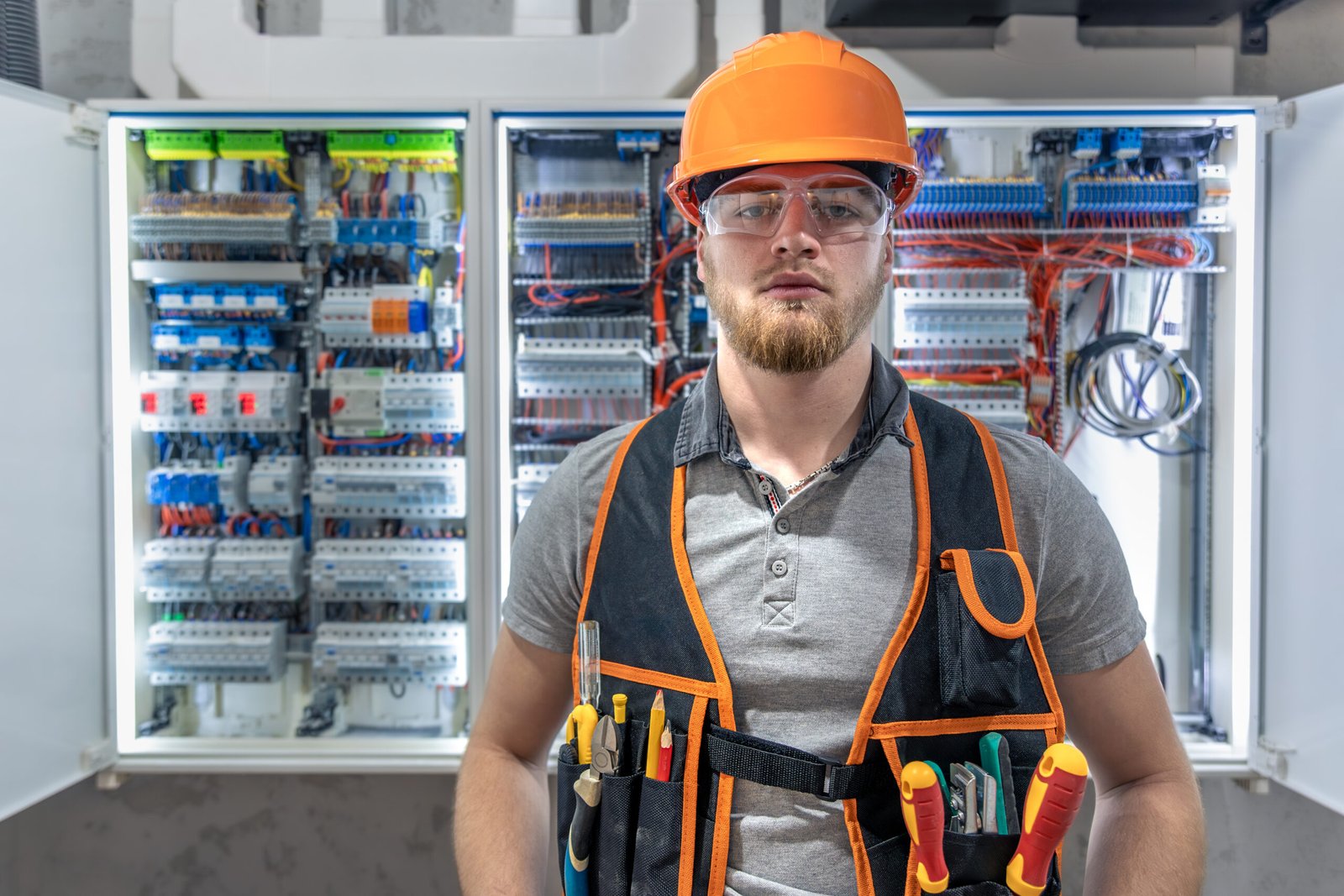
During this program, trainees learn to install, maintain, and repair electrical systems in homes, factories, and commercial spaces. They also gain knowledge about energy distribution, automation, safety standards, and new technologies like smart grids and renewable energy systems.
Common electrician specializations in Germany include:
- Electrical technician for energy and building technology
- Electrical technician for operating technology
- Electrical technician for automation technology
- Electrical systems installer
- Industrial electrician
Each specialization offers different work environments and career pathways, but all are highly valued in Germany’s growing economy.
Why Electrician Ausbildung Courses Are in High Demand
The demand for electrician trainees and professionals in Germany has been consistently high for years, and it continues to grow. Here are the key reasons why:
1. Germany’s Transition to Renewable Energy (Energiewende)
Germany is one of the global leaders in renewable energy transformation. The country aims to achieve carbon neutrality and phase out fossil fuels, which requires massive infrastructure changes.
Solar panels, wind turbines, electric vehicle charging stations, and energy-efficient systems all rely on skilled electricians for installation, maintenance, and repair.
This transition has created tens of thousands of new job opportunities for electricians who understand modern and sustainable energy systems.
2. Shortage of Skilled Workers (Fachkräftemangel)
Germany faces a major shortage of skilled workers across many technical professions — especially in electrical, mechanical, and construction fields.
Many older electricians are retiring, and fewer young people are choosing trades, leading to a significant gap between demand and supply.
According to industry reports, electricians are among the top 10 most in-demand professions in Germany. Employers often struggle to fill open positions, which is why Ausbildung programs in this field are strongly encouraged and well-funded.
3. Growing Demand for Smart Home and Automation Systems
Technology is rapidly changing the way we live and work. Homes, offices, and factories are becoming increasingly “smart,” integrating automation systems, sensors, and interconnected devices.
Electricians trained through the Ausbildung system are essential for:
- Installing and maintaining smart lighting systems
- Setting up home automation and security systems
- Integrating renewable energy sources into buildings
- Ensuring safety and compliance in electrical installations
This ongoing digital transformation guarantees long-term career opportunities for electricians.
4. Industrial Growth and Modernization
Germany’s economy is heavily industrialized, with manufacturing, automotive, and engineering sectors forming its backbone.
Industrial electricians are crucial in maintaining and repairing the machinery, automation lines, and electrical systems that keep factories running efficiently.
As industries modernize and expand, electrical maintenance and automation technicians are becoming even more essential.
5. Stable and Well-Paid Career Path
The Ausbildung system ensures that electricians receive structured training, professional certification, and stable employment.
Trainees earn a monthly stipend during training, which increases every year, and after graduation, qualified electricians can expect competitive salaries and job security.
The combination of financial stability, job demand, and professional respect makes this career especially attractive.
Overview of the Electrician Ausbildung Program
The Electrician Ausbildung covers both practical and theoretical knowledge. Let’s take a detailed look at what students can expect.
Duration
- The course usually lasts 3 to 3.5 years.
- Duration can be reduced if the trainee has prior experience or educational qualifications.
Structure
The Ausbildung follows the dual education system:
- Practical Training (70%) – Done at a partner company where trainees learn real-world skills.
- Theoretical Classes (30%) – Conducted at a vocational school, focusing on technical theory, math, physics, and safety standards.
Key Subjects Covered
- Electrical circuit design and analysis
- Energy supply systems
- Renewable energy and solar systems
- Installation of electrical equipment
- Automation and control technology
- Safety standards and regulations
- Smart home and IoT systems
- Industrial electronics
Examinations and Certification
At the end of training, trainees take an examination conducted by the Chamber of Crafts (Handwerkskammer) or the Chamber of Industry and Commerce (IHK).
Upon passing, they receive a nationally recognized qualification as a certified electrician (Geselle), which allows them to work across Germany and even in other EU countries.
Eligibility Criteria for Electrician Ausbildung in Germany
To apply for an Electrician Ausbildung, candidates must meet certain criteria. While these can vary slightly depending on the company or region, the general requirements include:
- Minimum 10th or 12th-grade education (secondary school certificate)
- Basic understanding of mathematics and physics
- Good physical health and manual skills
- Interest in technical and electrical work
- German language proficiency (at least B1 level)
Some companies may conduct interviews or aptitude tests to evaluate a candidate’s motivation and technical ability.
Salary During and After Ausbildung
During Ausbildung
Electrician trainees receive a monthly stipend, which increases each year of training. The average monthly salary is:
| Training Year | Average Monthly Salary (€) |
|---|---|
| 1st Year | 900 – 1,050 |
| 2nd Year | 1,000 – 1,150 |
| 3rd Year | 1,100 – 1,250 |
This makes the Electrician Ausbildung financially attractive since students earn while they learn.
After Ausbildung
Upon completing training and gaining experience, a certified electrician can earn:
| Experience Level | Average Monthly Salary (€) |
|---|---|
| Entry-Level | 2,500 – 3,000 |
| Experienced Electrician | 3,000 – 3,800 |
| Senior/Industrial Electrician | 4,000 – 5,000+ |
Salaries vary based on specialization, location, and company size. Electricians working in large industries or with advanced automation systems often earn higher wages.
Job Opportunities After Completing Electrician Ausbildung
Graduates of Electrician Ausbildung programs have a wide range of career options across different sectors. Here are some common job paths:
- Industrial Electrician – Works in factories, maintaining and repairing machines and production systems.
- Building Electrician – Handles wiring, lighting, and electrical systems in residential and commercial buildings.
- Automation Technician – Specializes in smart systems, PLC programming, and robotics.
- Renewable Energy Technician – Works on solar, wind, or battery systems.
- Maintenance Engineer – Ensures the smooth operation of electrical systems in public utilities or private companies.
- Self-Employed Electrician – After gaining experience, many electricians start their own businesses or work as independent contractors.
The versatility of this qualification makes it one of the most employable and secure professions in Germany.

Advantages of Pursuing Electrician Ausbildung in Germany
Choosing an electrician Ausbildung offers numerous advantages, both professional and personal.
1. Earn While You Learn
Unlike traditional university degrees, the Ausbildung program allows trainees to earn a salary throughout their training period, reducing financial stress.
2. Guaranteed Job Opportunities
Due to the shortage of skilled workers, graduates often receive job offers even before completing their training.
3. Hands-On Practical Experience
Students gain real-world experience by working directly with electrical systems and industry equipment — a valuable advantage over purely academic learning.
4. Globally Recognized Qualification
The German vocational education system is highly respected worldwide. A German electrician certificate opens doors not only in Germany but also across Europe.
5. Clear Career Progression
Electricians can advance to become:
- Master Electricians (Meister)
- Supervisors or project managers
- Technical trainers or engineers (with further education)
This flexibility ensures long-term professional growth.
6. Contribution to Green Energy Goals
Working as an electrician allows you to contribute to a sustainable future by supporting renewable energy installations and eco-friendly technologies.
Challenges in Electrician Ausbildung
While the Ausbildung offers great opportunities, it also comes with challenges that aspiring electricians should be prepared for:
- Physical Demands: The work often involves standing, climbing, and handling tools or heavy equipment.
- Responsibility: Electricians must follow safety standards carefully — even small mistakes can be dangerous.
- Technical Complexity: Theoretical subjects such as circuit analysis, physics, and electronics can be challenging for beginners.
- German Language Requirement: Since all training and safety materials are in German, good language skills are essential for success.
With determination, proper guidance, and consistent effort, these challenges can easily be overcome.
Future Scope for Electricians in Germany
The future for electricians in Germany looks exceptionally bright. Several factors contribute to long-term demand:
1. Green Energy Expansion
Germany’s commitment to renewable energy means more solar and wind installations, and thus a need for electricians specialized in green technologies.
2. Digital Transformation and Smart Cities
Smart homes, IoT devices, and digital factories are becoming standard. Electricians with knowledge in automation, networking, and digital systems will be highly sought after.
3. Aging Workforce
A significant portion of Germany’s skilled workforce is nearing retirement. The new generation of electricians will have ample opportunities to fill these gaps.
4. Technological Innovation
As technology evolves, electricians will be required for maintaining electric vehicle infrastructure, robotic systems, and energy-efficient grids.
5. Long-Term Job Security
Unlike many office-based roles susceptible to automation, electricians’ hands-on work cannot be easily replaced by machines. This ensures a stable and secure career path.
Comparison with Other Ausbildung Programs
While many Ausbildung fields are in demand — such as nursing, mechanics, and hospitality — the electrician program stands out due to:
| Factor | Electrician Ausbildung | Other Fields |
|---|---|---|
| Job Demand | Very High | Moderate to High |
| Salary | High and Stable | Varies |
| Physical Work | Yes | Depends on field |
| Career Growth | Excellent | Moderate |
| Global Opportunities | Wide | Field-Specific |
| Green Energy Involvement | Direct | Indirect |
This comparison shows why many local and international students choose the electrician path.
Tips for Succeeding in Electrician Ausbildung
- Learn the German Language Early – Good communication is crucial for safety and understanding technical materials.
- Be Curious and Ask Questions – Learn actively during your company training sessions.
- Focus on Safety – Electrical work requires precision and awareness; always follow safety regulations.
- Gain Technical Knowledge – Understand how circuits, motors, and automation systems work.
- Network Professionally – Build good relationships with colleagues and supervisors to open future opportunities.
- Stay Updated with Technology – Familiarize yourself with new trends like smart home systems, solar installations, and EV charging stations.
With discipline and enthusiasm, you can become a successful electrician with great earning potential.
Conclusion
So, are electrician Ausbildung courses in high demand in Germany?
The answer is a resounding yes.
Germany’s focus on renewable energy, technological innovation, and industrial growth ensures that electricians will remain one of the most sought-after professions for years to come. The Electrician Ausbildung offers an ideal path for those who want a practical, well-paying, and secure career in a country that values technical expertise.
With structured training, excellent job prospects, and opportunities to work on modern and sustainable technologies, choosing an Electrician Ausbildung in Germany is more than just a career choice — it’s a gateway to a future full of innovation, growth, and stability.
Frequently Asked Questions
Does Welcare Overseas Education help students with Electrician Ausbildung in Germany: High Demand & Career Scope?
Yes. Welcare Overseas Education provides free counselling, application support and visa guidance related to Electrician Ausbildung in Germany: High Demand & Career Scope, based on your academic background and goals.
Is the first consultation for Electrician Ausbildung in Germany: High Demand & Career Scope free?
Yes, the initial consultation is completely free. You can book it through the enquiry form on this page or directly on WhatsApp at +91 81974 41860.
How do I apply through Welcare Overseas after reading this guide?
Share your qualifications and country of interest through the enquiry form or WhatsApp, and a Welcare Overseas counsellor will guide you through the next steps for Electrician Ausbildung in Germany: High Demand & Career Scope.
Helpful Official Resources
Thank you! We’ve got your enquiry.
Our team will get back to you shortly. Want a faster reply? Continue the conversation on WhatsApp.
Continue on WhatsAppBook Your Free Consultation Today
Fill the form below and our team will get in touch with you regarding admissions, visas, and job placements across Europe.