
When we think about essential trades that keep modern life running smoothly, plumbers—known in Germany as Klempner or Anlagenmechaniker für Sanitär-, Heizungs- und Klimatechnik—are among the most crucial. From installing sanitary systems and heating equipment to maintaining complex water supply networks, plumbers ensure the comfort, hygiene, and functionality of both residential and commercial spaces.
If you are planning to pursue an Ausbildung (vocational training) as a plumber in Germany, it’s important to understand not only what you’ll learn but also what your daily duties and responsibilities will look like. The Ausbildung program is a perfect combination of theory and practical experience, where apprentices actively participate in real projects while gaining classroom knowledge.
In this article, we’ll explore in detail the core duties, responsibilities, learning outcomes, and working environment of a plumber (Klempner) during the Ausbildung program in Germany.
Understanding the Plumber’s Role in Germany
In Germany, a plumber—traditionally called a Klempner—is more than just someone who fixes leaks or unclogs drains. The profession has evolved to include a wide range of technical, environmental, and mechanical responsibilities. Today’s plumbers are trained professionals who install, maintain, and repair heating, water, and ventilation systems.
During Ausbildung, the plumber’s duties extend beyond manual labor; they also involve learning how to plan, design, and document systems according to German standards (DIN-Normen). Apprentices become familiar with modern technologies, such as energy-efficient heating systems, solar water heating, and smart plumbing solutions.
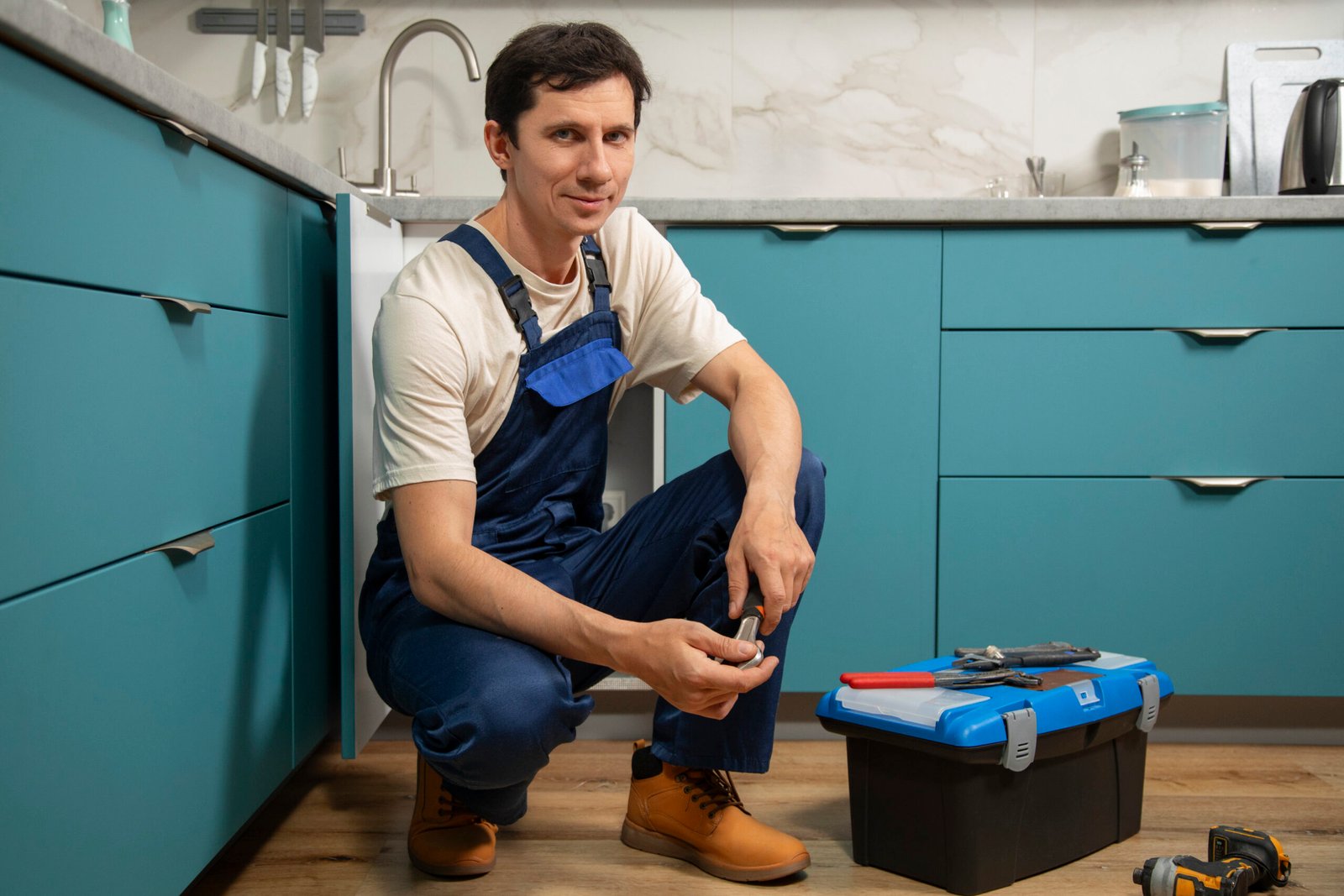
Structure of the Ausbildung Program
The Plumber Ausbildung typically lasts 3.5 years, during which apprentices alternate between:
- Vocational School (Berufsschule): where they learn theoretical and technical knowledge, safety standards, and blueprint reading.
- Practical Training (Betriebliche Ausbildung): where they work under supervision in plumbing or installation companies to apply what they’ve learned.
The combination ensures that by the end of the program, trainees are not just skilled workers but professionals capable of handling independent projects.
Core Duties of a Plumber (Klempner) During Ausbildung
1. Installation of Sanitary Systems
One of the primary duties during training is learning how to install and maintain sanitary systems. Apprentices are taught to:
- Connect water supply lines to fixtures like sinks, showers, toilets, and bathtubs.
- Install drainage and wastewater systems ensuring hygienic disposal.
- Fit and connect piping systems made from copper, plastic, or steel.
- Use tools such as pipe cutters, threading machines, and soldering equipment safely and efficiently.
This duty teaches precision and attention to detail, as even minor errors can lead to leaks or contamination.
2. Working with Heating Systems
Germany places great importance on efficient heating systems due to its cold climate. As a plumbing apprentice, you will be deeply involved in:
- Installing radiators, boilers, and underfloor heating systems.
- Learning how to connect heating equipment to fuel or energy sources like gas, oil, or renewable energy.
- Understanding circulation systems, temperature regulation, and pressure control mechanisms.
- Performing regular maintenance checks to ensure optimal performance and safety.
This aspect of the Ausbildung introduces apprentices to sustainable heating solutions such as solar-assisted water heating and heat pump technologies.
3. Water Supply System Installation
A major part of a plumber’s duties involves ensuring a consistent and safe water supply to buildings. During the Ausbildung, trainees will:
- Design layouts for water supply and drainage systems using technical drawings.
- Install pumps, filters, and pressure regulators.
- Test water supply systems for leaks or blockages.
- Understand how water meters and flow control systems operate.
Apprentices learn how water distribution works within buildings and how to comply with hygiene regulations to prevent contamination.
4. Maintenance and Repair Work
Routine maintenance is one of the most vital responsibilities of a plumber. During Ausbildung, apprentices gain hands-on experience in:
- Inspecting plumbing systems for faults or leaks.
- Replacing damaged pipes, valves, or joints.
- Cleaning and maintaining drainage systems.
- Using diagnostic tools to identify problems quickly and efficiently.
This duty enhances problem-solving skills and helps apprentices learn how to handle emergency repairs calmly and effectively.
5. Installing Ventilation and Air Conditioning Systems
In modern buildings, plumbers often work alongside HVAC technicians to install and maintain ventilation systems. Apprentices will:
- Learn the principles of air circulation, filtration, and humidity control.
- Assist in installing ductwork and air distribution systems.
- Maintain and clean ventilation ducts to prevent blockages.
- Understand the importance of air quality and energy efficiency in buildings.
This cross-disciplinary exposure broadens their technical understanding and career prospects.
6. Reading and Interpreting Technical Drawings
Precision is key in plumbing. Apprentices are trained to read and interpret blueprints, schematics, and technical plans. Their duties include:
- Understanding symbols and dimensions in construction drawings.
- Planning piping routes according to design specifications.
- Collaborating with architects and engineers to ensure proper system placement.
- Marking and measuring installation points on-site.
This helps trainees develop strong spatial awareness and technical interpretation skills.
7. Safety and Environmental Responsibilities
Safety is a top priority in the plumbing trade. During Ausbildung, apprentices are taught to follow strict safety and environmental regulations, including:
- Wearing personal protective equipment (PPE).
- Handling chemicals and gases responsibly.
- Disposing of waste materials in an eco-friendly manner.
- Complying with building and water safety codes.
Germany emphasizes sustainability, so plumbers also learn about water conservation, energy efficiency, and renewable energy integration.
8. Customer Communication and Service
Good communication is an essential skill for every tradesperson. Apprentices interact directly with customers, which helps them build professionalism. Their duties include:
- Discussing plumbing issues and proposed solutions with clients.
- Providing cost estimates for repairs or installations.
- Explaining system functionality and maintenance tips.
- Ensuring customer satisfaction with the finished work.
This aspect of the job teaches apprentices how to blend technical expertise with customer service excellence.
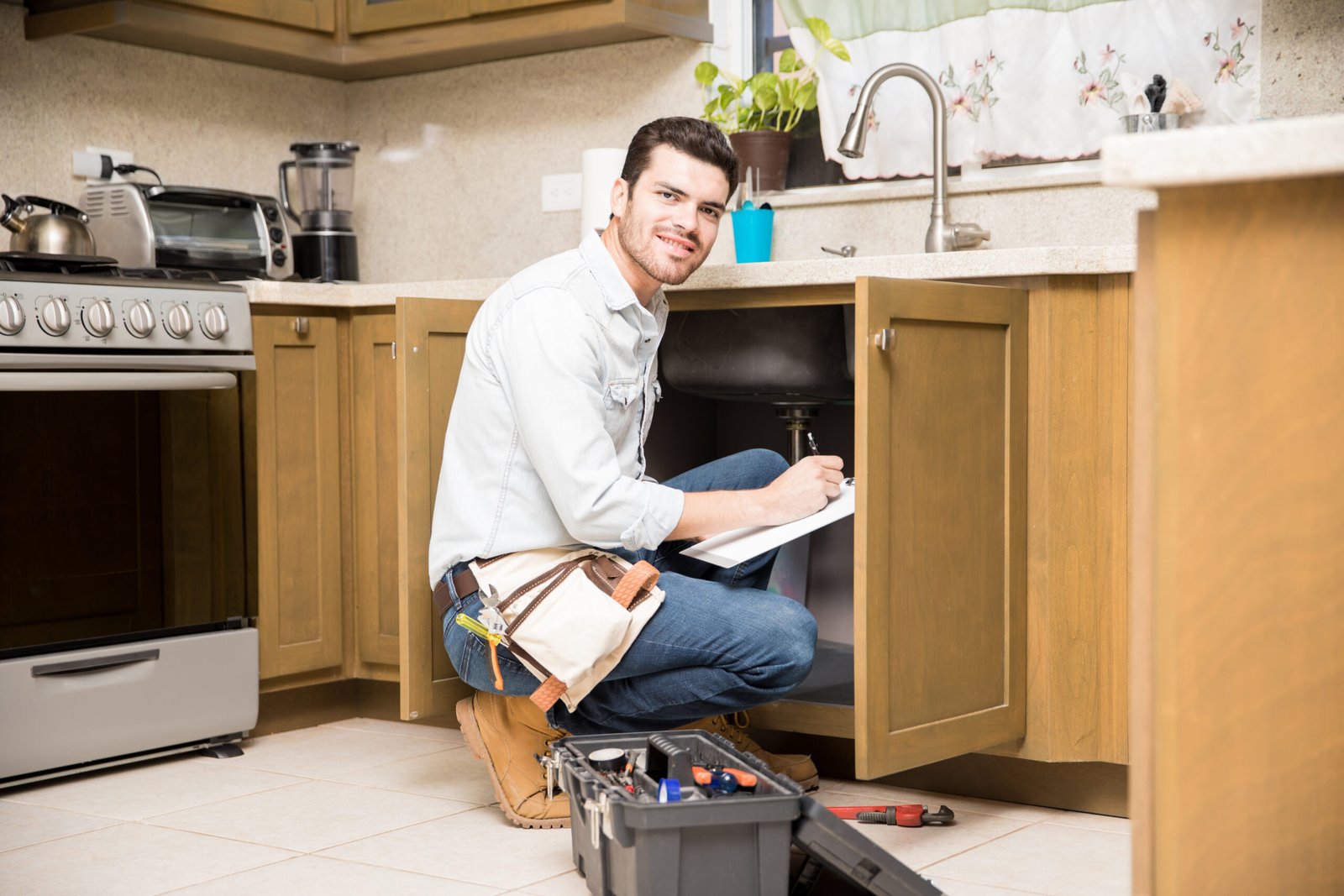
9. Testing and Quality Control
A key duty in the later stages of Ausbildung is system testing and quality assurance. Apprentices perform:
- Pressure tests on newly installed pipes.
- Leak detection using water or air pressure testing equipment.
- Temperature and flow checks in heating systems.
- Documentation of inspection and testing results for compliance records.
By ensuring every system functions correctly, apprentices learn accountability and precision.
10. Documentation and Reporting
Plumbers in Germany are expected to maintain accurate records of their work. Apprentices practice:
- Writing maintenance reports and service logs.
- Documenting installation procedures and materials used.
- Recording inspection results and repair histories.
- Using digital tools for tracking work orders.
This administrative skill ensures transparency and professional credibility in the workplace.
Daily Routine of a Plumbing Apprentice
A typical day for a plumbing apprentice starts early, often around 7:00 AM. After a short team meeting at the company, they:
- Review the day’s tasks and assigned projects.
- Load the van with tools and materials needed for installation or repair work.
- Travel to the work site—this could be a residential building, office complex, or industrial facility.
- Assist senior plumbers in installing or maintaining systems.
- Clean up the work area and prepare documentation before the end of the day.
Apprentices may also spend certain days at vocational school attending technical classes and exams.
Skills Learned During Ausbildung
By the end of the Ausbildung, a plumbing apprentice develops a wide range of practical and theoretical skills, including:
- Proficiency in plumbing, heating, and ventilation systems.
- Technical drawing interpretation and system planning.
- Understanding hydraulic and thermodynamic principles.
- Safety compliance and environmental protection knowledge.
- Communication and teamwork skills.
- Use of hand and power tools with accuracy.
These skills not only prepare them for immediate employment but also open doors to advanced training and specialization.
Tools and Equipment Used by Plumbers
Apprentices become familiar with a wide range of tools, such as:
- Pipe cutters, wrenches, soldering torches.
- Threading and bending machines.
- Pressure gauges and leak detection devices.
- Power drills, screwdrivers, and saws.
- Digital measuring instruments and inspection cameras.
Learning how to handle and maintain these tools is a fundamental part of the training process.
Working Conditions and Environment
Plumbers in Ausbildung experience diverse working environments, from construction sites to private homes. The work may sometimes involve:
- Working in tight spaces or at heights.
- Exposure to varying temperatures or weather conditions.
- Lifting heavy equipment or materials.
However, the work is rewarding because it directly contributes to people’s comfort and safety.
Career Growth After Ausbildung
After completing the Ausbildung, many apprentices continue their journey by:
- Working as qualified plumbers (Gesellen).
- Pursuing a Master Craftsman Certificate (Meisterbrief) to open their own business or train apprentices.
- Specializing in renewable energy systems, building technology, or environmental engineering.
- Advancing into supervisory or project management roles.
The demand for skilled plumbers in Germany remains consistently high, especially with the country’s focus on energy efficiency and sustainable construction.
Salary During Ausbildung
Apprentices earn a monthly stipend that increases each year of training. Although rates can vary depending on the company and region, average earnings are:
| Training Year | Average Monthly Salary (€) |
|---|---|
| 1st Year | 850 – 1,000 |
| 2nd Year | 950 – 1,100 |
| 3rd Year | 1,100 – 1,250 |
| 4th Year | 1,200 – 1,400 |
After completing Ausbildung, fully qualified plumbers can earn between €2,800 and €3,800 per month, depending on experience and specialization.
Challenges Faced During Ausbildung
While rewarding, the Ausbildung comes with challenges that help build resilience and professionalism:
- Physical demands like lifting, bending, or working in confined spaces.
- Managing time efficiently on construction sites.
- Understanding complex blueprints and regulations.
- Balancing schoolwork with on-the-job training.
- Adapting to new technologies and materials.
Overcoming these challenges prepares apprentices for long-term success in their careers.
Benefits of Becoming a Plumber in Germany
Choosing a plumbing Ausbildung in Germany offers several benefits:
- Job Security: Skilled trades are always in demand.
- Practical Learning: You earn while you learn.
- Career Mobility: Opportunities to work anywhere in Germany or the EU.
- Skill Diversity: Training covers water, heating, and environmental systems.
- Sustainability Focus: Exposure to green technologies and modern systems.
It’s an ideal career path for those who enjoy technical work, problem-solving, and tangible results.
Final Thoughts
The role of a plumber (Klempner) during Ausbildung in Germany is dynamic, hands-on, and deeply rewarding. Apprentices are not merely assistants; they are active learners shaping the infrastructure that supports everyday life. Their duties range from installing complex heating systems to ensuring the safe distribution of water—all while upholding Germany’s strict quality and safety standards.
Through this training, aspiring plumbers gain not only technical expertise but also discipline, confidence, and professional pride. With growing demand for skilled workers in sustainable building technologies, a career as a plumber in Germany offers stability, growth, and a direct impact on society.
Frequently Asked Questions
Does Welcare Overseas Education help students with Duties of a Plumber (Klempner) During Ausbildung in Germany?
Yes. Welcare Overseas Education provides free counselling, application support and visa guidance related to Duties of a Plumber (Klempner) During Ausbildung in Germany, based on your academic background and goals.
Is the first consultation for Duties of a Plumber (Klempner) During Ausbildung in Germany free?
Yes, the initial consultation is completely free. You can book it through the enquiry form on this page or directly on WhatsApp at +91 81974 41860.
How do I apply through Welcare Overseas after reading this guide?
Share your qualifications and country of interest through the enquiry form or WhatsApp, and a Welcare Overseas counsellor will guide you through the next steps for Duties of a Plumber (Klempner) During Ausbildung in Germany.
Helpful Official Resources
Thank you! We’ve got your enquiry.
Our team will get back to you shortly. Want a faster reply? Continue the conversation on WhatsApp.
Continue on WhatsAppBook Your Free Consultation Today
Fill the form below and our team will get in touch with you regarding admissions, visas, and job placements across Europe.