Germany is one of the most popular destinations for international students and skilled professionals who want to build a rewarding career in technical and vocational fields. Among these, Plumber Ausbildung programs in Germany have gained tremendous popularity due to the country’s strong demand for skilled tradespeople, attractive salaries, and opportunities for long-term settlement.
However, one of the most frequently asked questions by aspiring candidates is:
“Is the German language mandatory for Plumber Ausbildung programs?”
This article provides a detailed answer to this question and explores everything you need to know — from language requirements to training structure, job opportunities, and tips to prepare yourself for success in Germany’s dual vocational training system.
Understanding the Plumber Ausbildung Program in Germany
Before diving into language requirements, it’s important to understand what an Ausbildung actually is. The term Ausbildung refers to Germany’s dual vocational training system, which combines classroom learning with practical, on-the-job training.
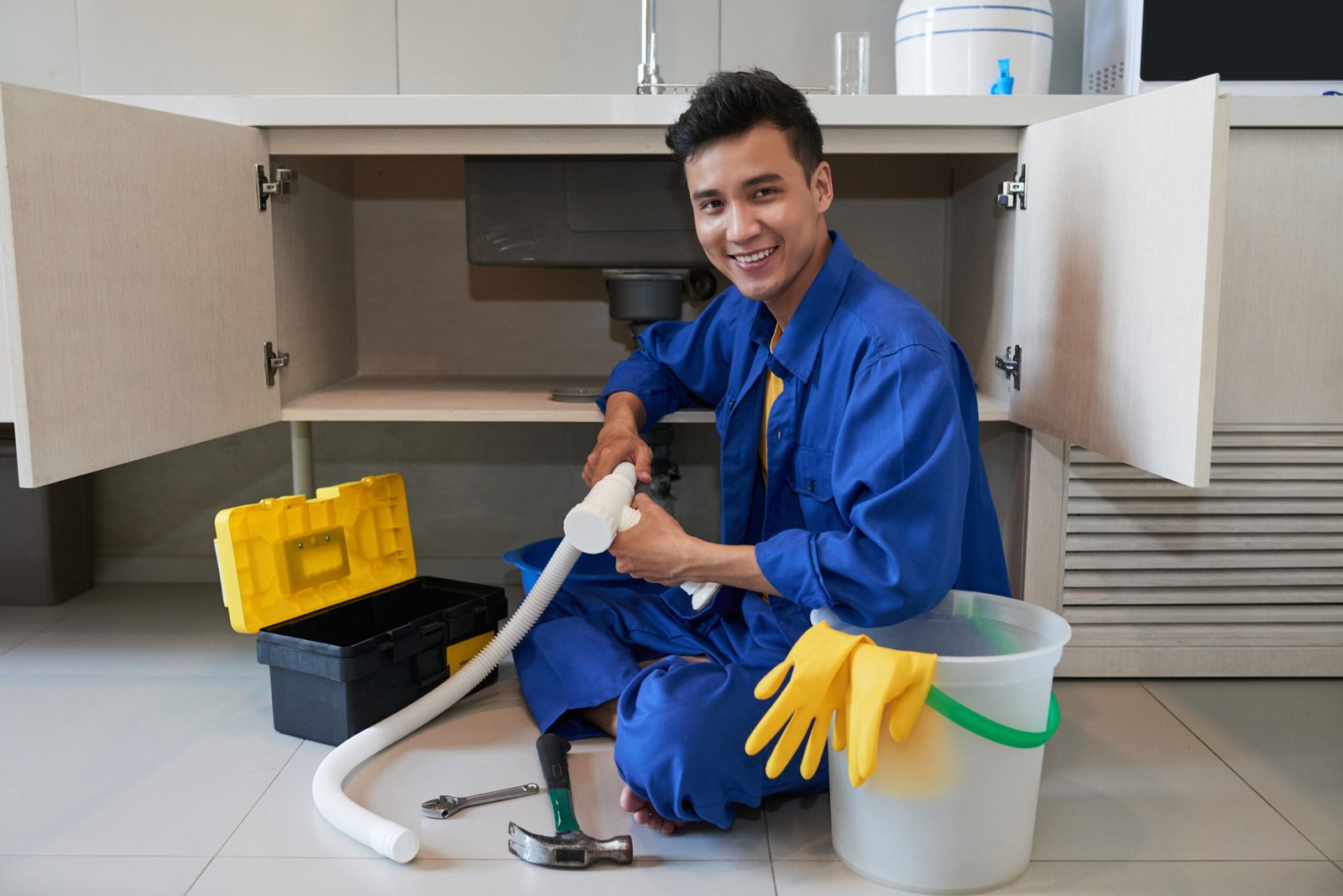
The Plumber Ausbildung (called Anlagenmechaniker für Sanitär-, Heizungs- und Klimatechnik in German) is a 3 to 3.5-year program that prepares individuals to install, maintain, and repair plumbing systems, heating, ventilation, and sanitation facilities in both residential and commercial settings.
This training is highly structured and includes two main components:
- Theoretical Learning: Conducted at vocational schools (Berufsschule), where you study plumbing theory, building technology, safety standards, and environmental protection.
- Practical Training: Conducted in a company or workshop under the guidance of experienced professionals, where you apply your classroom knowledge to real-world projects.
This blend of learning ensures that graduates not only have strong technical knowledge but also the hands-on experience needed to thrive in the workforce.
Importance of the German Language in an Ausbildung
Now, coming to the central question — is the German language mandatory for the Plumber Ausbildung?
The short and clear answer is yes, German language proficiency is essential.
The Ausbildung system is designed primarily for the German-speaking environment. Most training companies, schools, and instructors communicate only in German. Moreover, the teaching materials, exams, safety instructions, and technical manuals are all in German.
Let’s explore why German proficiency is so important and to what level you should prepare.
Why German Language Proficiency is Mandatory
There are several key reasons why knowing German is not just recommended but mandatory for pursuing a Plumber Ausbildung in Germany:
1. Communication at the Workplace
During your practical training, you will work in German companies where communication with supervisors, clients, and coworkers happens entirely in German. You will need to understand instructions clearly, discuss technical issues, and collaborate efficiently. Without sufficient language skills, it becomes extremely difficult to perform your duties effectively.
2. Understanding Theoretical Lessons
In the vocational school, all subjects are taught in German. Technical terms, building regulations, environmental laws, and occupational safety guidelines are explained in German textbooks. Students must understand these lessons to pass exams and assessments.
3. Passing the Final Examination
At the end of your Ausbildung, you must take a final examination (Abschlussprüfung). The exam consists of written, oral, and practical components, all conducted in German. Without a solid understanding of the language, passing this exam becomes almost impossible.
4. Safety and Compliance
Plumbing involves handling tools, pressure systems, and hazardous materials. You must follow safety instructions accurately to prevent accidents. Misunderstanding a single word could lead to serious errors or safety violations.
5. Customer Interaction
Plumbers often work directly in customer homes or businesses. You will need to explain what repairs or installations are needed, provide cost estimates, and answer customer questions — all in German. Good communication builds trust and professionalism.

Required German Language Level for Plumber Ausbildung
Most Ausbildung programs require at least a B1 level of German proficiency according to the Common European Framework of Reference for Languages (CEFR).
Here’s what that means:
- A1 – Beginner: You can understand and use familiar everyday expressions.
- A2 – Elementary: You can communicate in simple tasks requiring direct exchange of information.
- B1 – Intermediate: You can handle most situations while traveling or working, and you can describe experiences, events, and give simple explanations.
- B2 – Upper Intermediate: You can understand complex texts and interact fluently with native speakers.
While some employers may accept candidates with A2 level if they commit to improving their German, B1 is the official minimum required by most chambers of commerce (Industrie- und Handelskammer, IHK) and vocational schools. For better job performance and comfort in daily life, B2 level is highly recommended.
How to Learn German for Your Ausbildung Journey
If you are planning to apply for a Plumber Ausbildung, start improving your German language skills as early as possible. Here’s a step-by-step guide to prepare effectively:
1. Join a Recognized Language Institute
Enroll in a certified language center in your home country or online that offers structured courses up to B1 or B2. Institutions like the Goethe-Institut are globally recognized and offer standardized German learning programs.
2. Practice Daily Conversation
Language fluency comes with consistent practice. Speak with classmates, teachers, or German learners daily. Use language exchange platforms or apps to talk to native speakers.
3. Learn Technical Vocabulary
Since plumbing involves technical terms, start familiarizing yourself with German words related to your field — tools, pipes, materials, measurements, etc. This will help you in your practical training.
4. Watch German Videos and Read Articles
Watch YouTube videos, documentaries, and vocational training tutorials in German. Read simple news articles or children’s books to build your vocabulary naturally.
5. Take Official Language Exams
To prove your proficiency, you must pass an official language test such as Goethe-Zertifikat B1, Telc B1, or TestDaF. These certificates are widely accepted by German authorities and employers.
Can You Start Ausbildung Without Knowing German?
Technically, it’s very difficult. While some international recruitment agencies and companies might offer preparatory programs, you cannot directly start an Ausbildung without at least basic German knowledge.
Here are a few pathways available for international candidates:
1. Language Plus Ausbildung Program
Some companies and training centers offer a Language + Ausbildung program, where the first few months are dedicated to language learning (up to B1 level), followed by vocational training.
2. Pre-Apprenticeship Language Courses in Germany
You can travel to Germany on a language course visa, complete your German training, and then transition into an Ausbildung once you reach the required proficiency.
3. International Cooperation Programs
Certain agencies collaborate with German chambers of commerce to train foreign applicants in both language and vocational skills before they arrive in Germany.
In all cases, achieving the required German language level is mandatory before you can officially begin the program.
How Language Skills Impact Your Career Growth
Learning German doesn’t just help you start your Ausbildung; it also opens many career opportunities in the long run.
Here’s how strong German language skills benefit your professional growth:
- Better Job Opportunities: Companies prefer employees who can communicate fluently with clients and colleagues.
- Higher Salary Potential: Skilled tradespeople with strong language skills often get promotions and leadership roles.
- Easier Integration: You can adapt better to German work culture and daily life.
- Permanent Residency and Citizenship: Language proficiency is a requirement for permanent settlement in Germany.
- Networking: Building professional relationships is easier when you can communicate naturally.
Challenges of Doing Ausbildung Without German Knowledge
Many international candidates underestimate the importance of language and struggle later. Here are the common challenges faced by students who start without sufficient German:
- Difficulty understanding instructions during practical work.
- Poor communication with trainers and coworkers.
- Struggling in written exams and theory lessons.
- Social isolation and stress due to lack of integration.
- Delays in completing the program or even termination of training.
Thus, investing time in learning German before starting the Ausbildung is not a burden — it’s a necessary foundation for success.
Tips to Succeed in Your Plumber Ausbildung
Apart from language preparation, here are some practical tips to help you thrive in your Plumber Ausbildung journey in Germany:
- Be Punctual and Reliable: German employers value discipline and reliability. Always arrive on time and complete your tasks responsibly.
- Show Eagerness to Learn: Ask questions and show genuine interest in improving your skills.
- Follow Safety Rules: Plumbing work involves physical activity and technical precision. Always follow safety protocols.
- Maintain a Positive Attitude: Even if language feels hard at first, stay patient and consistent.
- Build Good Relationships: Be polite and cooperative with your colleagues and trainers. Good communication leads to better teamwork.
Future Career Opportunities After Ausbildung
Once you complete your Plumber Ausbildung, you will have several exciting career paths ahead:
- Full-Time Employment: Most trainees receive a job offer from the same company where they trained.
- Master Craftsman (Meister) Training: After gaining experience, you can become a Meister (master plumber), which allows you to open your own business or train apprentices.
- Further Education: You can specialize in renewable energy systems, heating technology, or water management.
- Higher Salary and Stability: Skilled plumbers in Germany earn excellent salaries and enjoy job security.
- Permanent Residence: Completing an Ausbildung and securing employment strengthens your chances of obtaining permanent residency in Germany.
Frequently Asked Questions
1. Can I apply for Plumber Ausbildung with English only?
No. English alone is not sufficient. You need at least B1 level German for official acceptance and successful participation in the program.
2. Are there any programs taught in English?
Currently, Ausbildung programs are not offered in English. They are part of Germany’s national training system, designed in the local language.
3. How long does it take to learn German up to B1 level?
With consistent effort, it usually takes 6–9 months to reach B1 level if you study full-time. Online or part-time learners may take longer.
4. What if I fail the language exam?
You can retake the exam after additional preparation. Many institutes offer revision courses specifically for B1 or B2 exams.
5. Can I get financial support during my Ausbildung?
Yes, trainees receive a monthly stipend ranging from €900 to €1,200, depending on the company and year of training.
Final Thoughts
The German language is not just a requirement — it is the key to unlocking your future in Germany. Whether you want to start a career as a plumber, electrician, nurse, or any other skilled trade, language proficiency will define your success.
So, if your dream is to work and live in Germany, start your language journey today. Dedicate time to learn, practice, and improve every day. Once you achieve the required level, the doors to a world-class Ausbildung program and a stable, rewarding career will open wide for you.
In conclusion, yes — the German language is mandatory for the Plumber Ausbildung program, but it’s also your most valuable tool to build a strong professional foundation and a fulfilling life in Germany.
Frequently Asked Questions
Does Welcare Overseas Education help students with Is German Language Mandatory for Plumber Ausbildung Programs??
Yes. Welcare Overseas Education provides free counselling, application support and visa guidance related to Is German Language Mandatory for Plumber Ausbildung Programs?, based on your academic background and goals.
Is the first consultation for Is German Language Mandatory for Plumber Ausbildung Programs? free?
Yes, the initial consultation is completely free. You can book it through the enquiry form on this page or directly on WhatsApp at +91 81974 41860.
How do I apply through Welcare Overseas after reading this guide?
Share your qualifications and country of interest through the enquiry form or WhatsApp, and a Welcare Overseas counsellor will guide you through the next steps for Is German Language Mandatory for Plumber Ausbildung Programs?.
Helpful Official Resources
Thank you! We’ve got your enquiry.
Our team will get back to you shortly. Want a faster reply? Continue the conversation on WhatsApp.
Continue on WhatsAppBook Your Free Consultation Today
Fill the form below and our team will get in touch with you regarding admissions, visas, and job placements across Europe.