Safety Certifications in Ausbildung Program
Germany’s Ausbildung program is one of the most respected vocational education systems in the world. It allows international students and local trainees to gain hands-on experience while learning the theoretical knowledge required for their chosen professions. Whether it’s healthcare, construction, electrical engineering, or hospitality, every Ausbildung course focuses heavily on safety, professionalism, and quality standards.
In Germany, workplace safety is not just an obligation—it is a legal and cultural priority. The country’s vocational system ensures that every trainee understands how to work safely, follow protocols, and obtain recognized safety certifications that protect both themselves and their future employers.
This article explores in depth what safety certifications are included in the Ausbildung program, why they matter, and how they enhance employability in Germany and abroad.
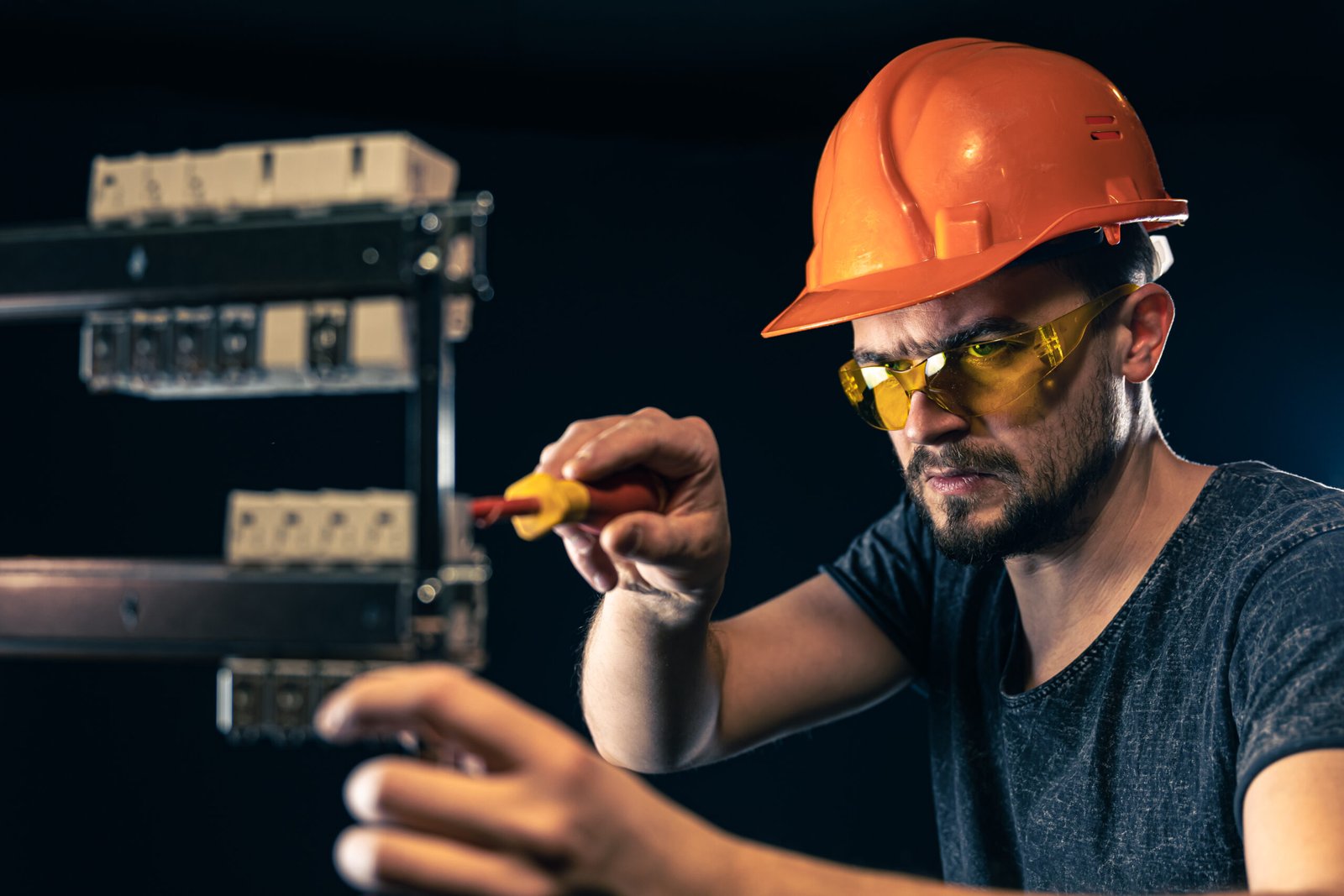
The Importance of Safety in Ausbildung Programs
Safety is a cornerstone of the German workforce. No matter the field—technical, healthcare, or service-based—employers must follow the Occupational Safety and Health (Arbeitsschutz) regulations set by the Federal Institute for Occupational Safety and Health (BAuA).
For trainees, learning safety measures is not optional; it’s integrated into the curriculum. During Ausbildung, trainees undergo structured modules that teach them how to identify risks, prevent accidents, and maintain a safe working environment.
These certifications not only ensure compliance with German law but also build a reputation for reliability and professionalism—qualities that make German-trained workers highly valued worldwide.
General Safety Certifications in Most Ausbildung Programs
While each field may have its own specialized safety certifications, some general safety courses are mandatory across nearly all Ausbildung programs. These certifications ensure that every trainee, regardless of industry, possesses a strong foundation in safety and risk management.
1. Basic Occupational Safety and Health (Arbeitsschutzunterweisung)
This is the first and most essential certification. It includes:
- Understanding German workplace safety laws
- Identifying potential hazards
- Using safety equipment properly
- Emergency response training
- Reporting and documenting incidents
Every trainee must complete this certification early in the program, often within the first few weeks of training.

2. First Aid Certification (Erste-Hilfe-Kurs)
This certification is compulsory for most vocational programs. It covers:
- Basic life-saving procedures
- CPR and wound treatment
- Handling workplace injuries
- Using emergency kits and defibrillators
Trainees receive a recognized First Aid Certificate after passing a practical and theoretical test. It is also a requirement for obtaining certain licenses, such as a driving license or working in medical and technical fields.
3. Fire Safety Training (Brandschutzunterweisung)
Fire safety is another key part of the Ausbildung safety structure.
This certification covers:
- Types of fire extinguishers and their uses
- Evacuation procedures
- Fire prevention in workplaces
- Handling electrical fires and flammable materials
Fire safety drills and simulations are conducted regularly to reinforce these principles.
4. Emergency Evacuation and Crisis Management
In larger organizations, trainees are often required to undergo Evacuation Coordinator or Emergency Response Team training. This ensures they know how to act during critical situations such as fire outbreaks, chemical leaks, or medical emergencies.

Field-Specific Safety Certifications
Each Ausbildung field comes with its own specialized safety training programs tailored to the specific risks involved. Let’s look at the most important ones across different industries.
1. Healthcare and Nursing Ausbildung
In healthcare, patient safety and infection control are paramount. Trainees receive extensive safety instruction and obtain certifications like:
- Infection Prevention and Hygiene Certification (Hygiene-Schulung): Covers hand hygiene, sterilization techniques, waste disposal, and handling of biohazards.
- Needlestick Injury Prevention Training: Teaches how to safely handle syringes and sharp objects.
- Patient Handling and Mobility Safety: Ensures that caregivers know how to assist patients without causing injury.
- Data Protection in Healthcare (Datenschutz-Schulung): Protects patient confidentiality and complies with GDPR regulations.
Healthcare trainees also undergo psychological safety training to manage stress, compassion fatigue, and workplace burnout.

2. Electrical and Electronic Ausbildung
Working with electricity involves significant risk, so strict safety standards are applied.
Common certifications include:
- Electrical Safety Certification (Elektrosicherheit nach DGUV Vorschrift 3): Covers working on live electrical systems, circuit testing, and fault detection.
- Lockout/Tagout Training: Prevents accidental activation of electrical systems during maintenance.
- High Voltage Safety Certification: Required for trainees working in industrial or renewable energy systems.
- Personal Protective Equipment (PPE) Training: Teaches how to use insulated gloves, helmets, and footwear correctly.
Every electrical trainee must pass these safety certifications before being allowed to work independently.
3. Mechanical and Automotive Ausbildung
Mechanical trainees often handle heavy machinery and tools, so their safety certifications include:
- Machine Operation Safety: Focused on the correct handling of cutting, drilling, and welding machines.
- Hazardous Materials (HazMat) Handling Certification: Teaches safe use and storage of lubricants, chemicals, and coolants.
- Ergonomics and Workplace Safety: Prevents back injuries and repetitive strain during manual tasks.
- Environmental Protection and Waste Management: Encourages eco-friendly practices and proper waste disposal.
Trainees in automotive fields may also receive training in Vehicle Fire Safety, Battery Handling (for EV systems), and Road Safety Regulations.
4. Construction and Civil Engineering Ausbildung
Construction sites are among the most safety-critical environments. Trainees in this field receive certifications such as:
- Construction Site Safety (Bau-Sicherheitsunterweisung): General site rules, PPE, and hazard awareness.
- Working at Heights Certification (Absturzsicherung): Covers ladder and scaffolding safety.
- Crane and Forklift Operation Training: Includes equipment operation and load management.
- Tool and Equipment Safety Certification: Ensures safe use of power tools and heavy equipment.
- Hazardous Substances Handling (Gefahrstoffunterweisung): Training for dealing with paints, adhesives, and solvents.
In some cases, specialized certifications such as Excavation Safety or Confined Space Entry are also required.
5. Hospitality and Culinary Ausbildung
While it may not appear as risky as technical fields, hospitality training includes important safety standards too:
- Food Safety and Hygiene Certification (Lebensmittelhygiene): Ensures cleanliness and compliance with HACCP standards.
- Fire Safety in Kitchens: Handling of fire-prone equipment like fryers and ovens.
- Workplace Ergonomics and Slip Prevention: Focuses on physical safety in fast-paced kitchen environments.
- Customer Health and Allergy Management: Training to prevent allergic reactions and cross-contamination.
Trainees in hospitality are also educated about mental health and workplace harassment prevention, promoting a healthy work culture.

6. IT and Office Management Ausbildung
Even in office-based fields, safety training is mandatory. Certifications include:
- Workplace Ergonomics Training: Prevents strain injuries from prolonged sitting or screen use.
- Data Security Certification: Protects sensitive information and digital assets.
- Fire and Electrical Safety for Office Environments: Teaches safe use of electronic equipment.
- Psychosocial Safety and Stress Management: Helps maintain mental well-being in high-pressure workspaces.
How These Certifications Are Delivered
During Ausbildung, safety training is integrated into both theoretical classroom sessions and practical workplace training.
- Classroom Modules: Delivered by certified instructors using presentations, demonstrations, and case studies.
- Practical Workshops: Conducted on-site or in simulation labs to help trainees apply their knowledge.
- Regular Assessments: Tests and practical evaluations ensure that trainees can implement safety measures effectively.
- Refresher Courses: Many safety certifications require periodic renewal or re-certification to stay valid.
Most certifications are issued in cooperation with recognized German authorities such as DGUV (Deutsche Gesetzliche Unfallversicherung) and TÜV Rheinland, ensuring international credibility.
Benefits of Safety Certifications for Trainees
Safety certifications are not just academic achievements—they are career boosters. Some of the main benefits include:
- Increased Employability: Employers prefer certified trainees who can demonstrate responsibility and competence.
- Legal Compliance: Certification ensures compliance with German workplace laws, protecting both trainees and employers.
- Global Recognition: Many German safety certifications are recognized across Europe and beyond.
- Reduced Workplace Accidents: Knowledgeable trainees contribute to safer, more productive environments.
- Professional Growth: Understanding safety standards opens doors to supervisory and managerial roles in the future.
The Role of Employers in Safety Training
In Germany, employers play a direct role in ensuring that Ausbildung trainees receive adequate safety education. They must:
- Provide access to safety courses and certified trainers.
- Conduct risk assessments of the workplace.
- Supply appropriate personal protective equipment (PPE).
- Supervise trainees during hazardous tasks.
- Maintain documentation of all safety training completed by each trainee.
Employers are regularly audited by German authorities to verify compliance with safety standards.
Safety Certification Authorities in Germany
The main organizations responsible for training and certifying safety in Ausbildung programs include:
- DGUV (German Social Accident Insurance): Oversees workplace accident prevention and safety regulations.
- TÜV Rheinland & TÜV SÜD: Provide internationally recognized safety certifications and inspections.
- Berufsgenossenschaften (Professional Trade Associations): Offer industry-specific safety training and insurance coverage.
- Red Cross (Deutsches Rotes Kreuz): Conducts First Aid and emergency response courses.
Each certification obtained through these bodies enhances the trainee’s professional portfolio.
How International Students Benefit from Safety Certifications
For international students, obtaining German safety certifications adds immense value. It demonstrates adaptability, cultural integration, and commitment to high standards.
Additionally:
- These certifications help students stand out in global job markets.
- They make it easier to transition into full-time employment in Germany after completing Ausbildung.
- Some safety qualifications can be transferred or recognized in other EU countries under the European Qualifications Framework (EQF).
Continuous Learning and Re-certification
Safety is an evolving field. As technology advances, new risks emerge—especially in areas like renewable energy, biotechnology, and digital workplaces.
Therefore, many Ausbildung graduates continue to update their certifications through:
- Advanced safety courses (e.g., Occupational Safety Specialist or Fire Protection Officer).
- Workshops and webinars organized by professional associations.
- Online refresher programs offered by TÜV and DGUV.
Maintaining valid safety certifications keeps professionals compliant and up to date with the latest industry standards.
Conclusion
The Ausbildung program in Germany does more than teach practical skills—it builds a culture of safety, responsibility, and excellence. From first aid to fire prevention, from electrical safety to data protection, every trainee learns to protect themselves, their colleagues, and their future workplaces.
Safety certifications included in the Ausbildung program are not just requirements; they are life-saving skills and career-enhancing qualifications. They prepare trainees to face real-world challenges confidently, making them valuable assets in any organization, anywhere in the world.
If you are considering joining an Ausbildung program, remember: safety training is the foundation of professional success in Germany.
Germany’s renowned Ausbildung (vocational training) programs are designed to blend theoretical education with hands-on professional experience. Among the many skilled trades available, the Bricklayer (Maurer) Ausbildung is one of the most respected and practical options. It equips you with both the traditional craftsmanship and modern construction techniques required in today’s building industry.
In this comprehensive guide, we’ll explore all the skills, techniques, and knowledge areas that students gain during a Bricklayer Ausbildung in Germany, along with details about the training process, tools used, and career benefits.
Understanding the Bricklayer Ausbildung in Germany
A Bricklayer Ausbildung (Maurer/in Ausbildung) is typically a three-year dual training program that combines classroom learning at a vocational school (Berufsschule) and practical on-site experience at a construction company.
The dual system allows apprentices to apply what they learn in real-world projects, making them job-ready immediately after completion. The curriculum is structured under national standards set by the German Chamber of Crafts (Handwerkskammer) and focuses on both manual craftsmanship and technical construction skills.
During the Ausbildung, students work on residential, commercial, and industrial building projects. They learn how to handle construction materials, read technical drawings, and follow safety regulations. Upon successful completion, trainees receive a state-recognized qualification as a Bricklayer (Maurer/in), which opens doors to numerous opportunities across Germany and beyond.

Duration and Structure of the Training
The Bricklayer Ausbildung usually lasts for three years, though the duration can be shortened to two and a half years based on previous education or outstanding performance.
The structure follows the Dual Education System:
- Practical Training (70%) – Conducted at a construction site under supervision.
- Theoretical Training (30%) – Conducted in vocational schools focusing on technical and academic knowledge.
Throughout these years, apprentices gradually move from basic tasks to advanced construction responsibilities. Exams and evaluations take place periodically to ensure proper skill development and professional growth.
Key Skills You Learn in a Bricklayer Ausbildung
Let’s break down the essential skills you acquire during the Bricklayer Ausbildung in Germany. These skills encompass technical, physical, analytical, and professional competencies.
1. Mastery of Masonry and Bricklaying Techniques
The primary focus of this Ausbildung is learning how to build with bricks, stones, and concrete blocks. Trainees develop expertise in:
- Laying bricks and blocks precisely.
- Mixing and applying mortar in correct proportions.
- Aligning walls, columns, and partitions.
- Using plumb lines, levels, and trowels to ensure structural accuracy.
- Constructing arches, chimneys, and corners with precision.
You also learn the differences between load-bearing and non-load-bearing walls and how to manage them according to architectural plans.
2. Understanding Building Materials
One of the most vital skills taught in the program is identifying, selecting, and handling construction materials. Apprentices learn about:
- Various types of bricks (clay, sand-lime, concrete).
- Stones (granite, limestone, sandstone, etc.).
- Concrete mixtures and their strengths.
- Insulation materials for thermal and soundproofing purposes.
- Modern eco-friendly and energy-efficient materials.
Understanding material properties ensures safety, durability, and sustainability in construction.
3. Reading and Interpreting Construction Blueprints
During the theoretical part of the Ausbildung, trainees learn how to read and interpret architectural drawings and technical blueprints.
This includes:
- Understanding symbols and measurements.
- Translating 2D drawings into 3D structures.
- Reading floor plans, sections, and elevations.
- Recognizing load points, wall alignments, and reinforcement layouts.
Blueprint literacy is essential for precise construction and collaboration with engineers and architects.
4. Site Preparation and Foundation Work
Before any wall or structure is built, proper site preparation is crucial. Bricklayer trainees gain hands-on experience in:
- Clearing and leveling construction sites.
- Setting out building lines and levels.
- Digging trenches for foundations.
- Installing formwork and reinforcement.
- Pouring and curing concrete bases.
This phase teaches responsibility, teamwork, and an understanding of ground stability and drainage systems.
5. Concrete and Reinforcement Skills
Modern bricklayers often work with reinforced concrete structures. You’ll learn to:
- Prepare and mix concrete according to specifications.
- Set up reinforcement bars (rebars) for structural stability.
- Pour, vibrate, and cure concrete efficiently.
- Repair and maintain concrete surfaces.
Understanding concrete technology is essential for bridges, buildings, and large construction projects.
6. Wall and Facade Construction
Bricklayers don’t just build walls—they craft durable, weather-resistant, and aesthetically appealing facades. Apprentices learn how to:
- Design and construct exterior facades.
- Apply insulation layers and vapor barriers.
- Integrate decorative brickwork patterns.
- Install lintels, sills, and exterior finishes.
This combines both technical accuracy and artistic craftsmanship, as facades represent the visible beauty of a structure.

7. Structural Repair and Restoration Techniques
In Germany, many cities preserve historic architecture. Therefore, trainees also gain skills in restoration and renovation of old structures.
This includes:
- Replacing damaged bricks and mortar.
- Strengthening old walls.
- Cleaning and preserving stonework.
- Matching new materials with existing designs.
These techniques are valuable for those interested in working with heritage and conservation projects.
8. Insulation and Waterproofing Techniques
Energy efficiency and sustainability are integral to German construction standards. As a bricklayer apprentice, you learn how to:
- Apply thermal and sound insulation systems.
- Use modern sealing materials against moisture.
- Install damp-proof courses.
- Manage condensation and water drainage systems.
This knowledge helps ensure buildings are comfortable, safe, and energy-efficient.
9. Working with Construction Tools and Machinery
A major part of the Ausbildung focuses on using and maintaining construction tools safely and efficiently.
You learn to handle:
- Hand tools: trowels, levels, plumb lines, hammers.
- Power tools: concrete mixers, saws, drills, and cutting machines.
- Lifting equipment and scaffolding.
- Measuring and leveling devices.
Trainees also gain knowledge in tool care and maintenance, ensuring long life and precision.
10. Safety, Health, and Environmental Protection
Construction sites demand strict safety awareness. Apprentices receive extensive training on:
- Workplace safety protocols.
- Use of personal protective equipment (PPE).
- Handling hazardous materials.
- Emergency and first aid procedures.
- Sustainable waste management and environmental safety.
This ensures compliance with German workplace safety laws (Arbeitsschutz) and prepares apprentices for responsible fieldwork.
11. Mathematics and Technical Calculations
Mathematics plays a key role in construction. Bricklayer trainees strengthen their ability to perform:
- Area, volume, and material quantity calculations.
- Cost estimation and budgeting.
- Measurement conversions.
- Slope and angle calculations.
These skills help in maintaining accuracy and efficiency during construction.
12. Teamwork and Communication Skills
Construction projects rely heavily on collaboration. Throughout the Ausbildung, apprentices learn:
- How to communicate effectively with supervisors and colleagues.
- Coordinating with electricians, plumbers, and engineers.
- Understanding instructions and sharing feedback.
Good communication prevents errors and fosters a safe and efficient working environment.
13. Project Planning and Time Management
By the third year of training, apprentices start participating in planning and organizing small projects. They learn:
- How to schedule tasks and meet deadlines.
- Coordinate material deliveries.
- Manage resources on-site.
- Document progress and quality checks.
These organizational skills are essential for future supervisory or self-employed roles.
14. Digital and Technological Skills in Construction
Modern construction increasingly involves digital tools. During the Ausbildung, students get introduced to:
- Digital measuring instruments.
- Computer-Aided Design (CAD) basics.
- Smart construction management apps.
- Building Information Modeling (BIM).
These digital skills ensure trainees stay relevant in a technology-driven construction world.
15. Quality Assurance and Building Codes
Germany is known for its strict quality standards. Bricklayer apprentices learn about:
- Building regulations and codes.
- Quality control procedures.
- Inspection and testing methods.
- Ensuring compliance with local and national construction laws.
This helps maintain the country’s reputation for precision and reliability in construction.
16. Entrepreneurship and Business Fundamentals
For those interested in becoming self-employed, the Ausbildung introduces basic entrepreneurship concepts such as:
- Cost estimation and project bidding.
- Client communication and contract handling.
- Marketing and reputation building.
- Managing small teams and finances.
After completing a few years of work experience, bricklayers can start their own businesses or move into supervisory positions.
Additional Learning Opportunities During Ausbildung
In addition to on-site and classroom learning, many training companies provide workshops, seminars, and specialized certifications in areas like:
- Energy-efficient building methods.
- Green construction and sustainability.
- Advanced concrete technology.
- Scaffolding safety and management.
Apprentices may also participate in inter-company training (Überbetriebliche Ausbildung) to gain exposure to different techniques and materials.
Exams and Assessments
During the Ausbildung, trainees must pass:
- Intermediate Examination (Zwischenprüfung) – Conducted midway through the program to assess progress.
- Final Examination (Gesellenprüfung) – A comprehensive test involving both theory and practical work.
The final exam typically includes constructing a masonry structure independently, demonstrating all the skills learned throughout the training.
Successful candidates receive the title “Geselle” (Journeyman), a recognized professional qualification in Germany’s craft industry.
Personality Traits You Develop During Training
Apart from technical knowledge, the Bricklayer Ausbildung also builds essential personal qualities such as:
- Discipline and punctuality
- Attention to detail
- Physical endurance and strength
- Patience and precision
- Problem-solving ability
- Responsibility and accountability
These traits shape you into a reliable and efficient professional ready to work on any construction site.
Career Opportunities After Completing the Ausbildung
After completing the Bricklayer Ausbildung, you can work as a qualified bricklayer (Maurer/in) across Germany or the EU. Possible job roles include:
- Masonry technician
- Construction supervisor
- Concrete worker
- Restoration specialist
- Site foreman
- Civil construction worker
With experience, you can even advance to:
- Master Craftsman (Meister) – allows you to train apprentices and start your own company.
- Construction Management – after additional studies or qualifications.
- Self-Employment – working independently as a contractor.
Germany’s strong construction sector ensures stable job opportunities and good salaries for skilled bricklayers.
Salary Expectations for Bricklayer Apprentices
During the Ausbildung, apprentices receive a monthly stipend known as Ausbildungsvergütung. Although it may vary slightly by region and company, the average range is:
| Year of Training | Average Monthly Salary (€) |
|---|---|
| 1st Year | 900 – 1,050 |
| 2nd Year | 1,100 – 1,200 |
| 3rd Year | 1,250 – 1,400 |
After completion, qualified bricklayers earn between €2,800 and €3,500 per month, depending on experience, location, and specialization.
Why Choose Bricklayer Ausbildung in Germany?
Choosing a Bricklayer Ausbildung offers numerous benefits:
- Learn from experts in a structured, high-quality system.
- Gain practical experience on real construction sites.
- Earn while you learn.
- Achieve a state-recognized qualification valid across Europe.
- Excellent job security and career advancement options.
- Opportunity to become self-employed or pursue higher certifications.
Germany’s construction industry is booming, and skilled craftsmen are always in demand — making this one of the most future-proof career paths available.
Final Thoughts
A Bricklayer Ausbildung in Germany is more than just learning how to stack bricks; it’s about mastering the art and science of construction. You gain not only practical skills like masonry, concrete work, and blueprint reading but also valuable life skills like discipline, teamwork, and problem-solving.
Whether you aim to build modern homes, restore historic structures, or even run your own construction company one day, this Ausbildung provides the perfect foundation for a stable and rewarding career.
Through dedication, precision, and craftsmanship, bricklayers literally help build the world around us — one brick at a time.
Frequently Asked Questions
Does Welcare Overseas Education help students with Safety Certifications in Ausbildung Program?
Yes. Welcare Overseas Education provides free counselling, application support and visa guidance related to Safety Certifications in Ausbildung Program, based on your academic background and goals.
Is the first consultation for Safety Certifications in Ausbildung Program free?
Yes, the initial consultation is completely free. You can book it through the enquiry form on this page or directly on WhatsApp at +91 81974 41860.
How do I apply through Welcare Overseas after reading this guide?
Share your qualifications and country of interest through the enquiry form or WhatsApp, and a Welcare Overseas counsellor will guide you through the next steps for Safety Certifications in Ausbildung Program.
Helpful Official Resources
Thank you! We’ve got your enquiry.
Our team will get back to you shortly. Want a faster reply? Continue the conversation on WhatsApp.
Continue on WhatsAppBook Your Free Consultation Today
Fill the form below and our team will get in touch with you regarding admissions, visas, and job placements across Europe.