
Bricklayer Ausbildung in Germany is a three-year vocational program that combines theoretical education with hands-on masonry experience.
Bricklayer Ausbildung in Germany is one of the most practical and rewarding vocational training programs for those who want to build a strong career in construction. This apprenticeship teaches you the essential skills required to work professionally as a bricklayer, including wall construction, masonry techniques, blueprint reading, and site safety. Through both classroom learning and hands-on experience, students learn to use modern building materials and tools effectively. The Bricklayer Ausbildung in Germany also emphasizes teamwork, precision, and quality craftsmanship — skills that are highly valued in the German construction industry. Upon completion, trainees are fully qualified to work in residential, commercial, and industrial projects, or even start their own building business.
Choosing a skilled trade in Germany through the Ausbildung program is one of the most practical and rewarding career paths for international students. Among the many vocational training options available, the Bricklayer Ausbildung stands out as a solid, hands-on profession that provides both stability and opportunities for growth. But one of the most common questions asked by aspiring trainees is: How long does a Bricklayer Ausbildung take to complete?
In this detailed guide, we’ll explore the duration, structure, daily routine, skills, and career opportunities associated with the Bricklayer Ausbildung in Germany. You’ll also learn what to expect during training, how the German dual education system works, and what kind of career you can build after completing your Ausbildung.
Overview of the Bricklayer Ausbildung in Germany
The Bricklayer (Maurer) Ausbildung in Germany is a vocational training program designed to prepare individuals for a career in the construction industry. Bricklayers are responsible for building walls, houses, and other structures using bricks, stones, concrete blocks, and other materials.
Germany’s vocational education system, known as the Dual System (Duale Ausbildung), combines theoretical classroom learning with practical, on-site training. This means you’ll spend part of your time in a trade school (Berufsschule) learning construction theory, mathematics, and design principles — and the rest of your time working with a real construction company gaining hands-on experience.
The Bricklayer Ausbildung is ideal for those who enjoy physical work, have an interest in construction and design, and want a secure, high-demand profession with opportunities across Europe.
Duration of the Bricklayer Ausbildung
The Bricklayer Ausbildung usually takes 3 years to complete in Germany. However, the exact duration may vary depending on your educational background, performance, and the state regulations of your training institution.
Here’s a breakdown of how the program typically works:
-
- Standard Duration: 3 years (full-time)
-
- Possible Reduction: The training period can sometimes be shortened to 2 or 2.5 years if the trainee has previous experience, relevant qualifications, or performs exceptionally well during training.
-
- Structure: The Ausbildung is divided into multiple semesters, combining classroom instruction and practical work in alternating phases.
During these three years, trainees gradually progress from basic masonry work to complex construction projects, ultimately mastering all essential aspects of modern bricklaying.
The Dual System: Learning and Working Together
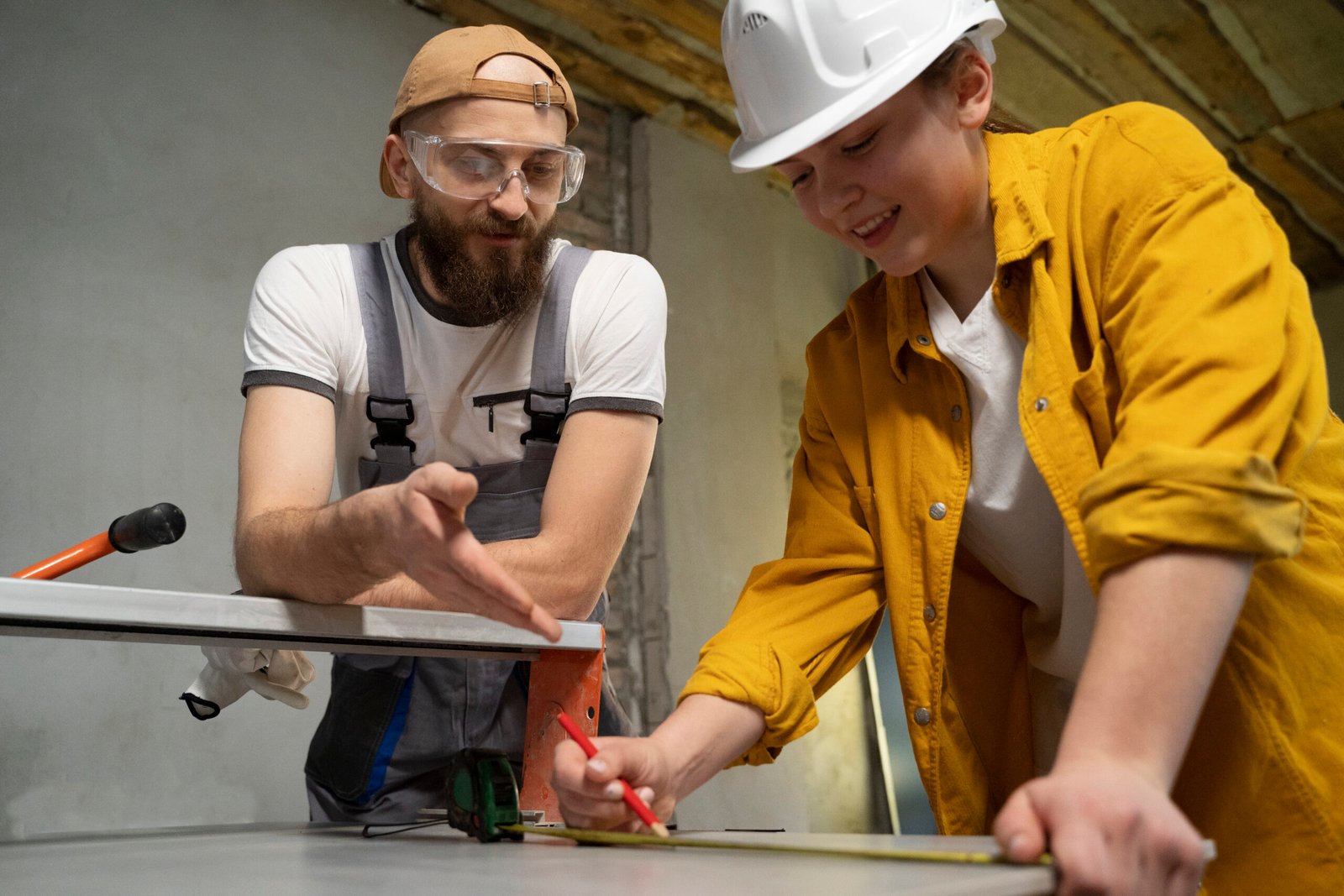
One of the most unique features of vocational education in Germany is the dual training system. Instead of spending all your time in a classroom, you’ll split your week between:
-
- Vocational School (Berufsschule): Usually 1–2 days per week, where you study theoretical subjects like construction planning, mathematics, materials science, and German technical terminology.
-
- Company Training (Betriebliche Ausbildung): 3–4 days per week, where you work for a real construction company as a trainee, earning a monthly stipend.
This dual system ensures that you not only gain theoretical knowledge but also develop the practical skills employers need. By the end of the Ausbildung, most trainees are already prepared to step directly into full-time employment.
Year-by-Year Breakdown of the Bricklayer Ausbildung
First Year: Foundation and Basics
In your first year, you’ll focus on learning the fundamental skills of construction work. Training includes:
-
- Introduction to construction sites and safety regulations
-
- Basic masonry techniques
-
- Mixing concrete and mortar
-
- Understanding building materials and their properties
-
- Reading construction drawings and blueprints
-
- Basic measurement and leveling
You’ll also become familiar with tools, machines, and teamwork in a construction environment. Most of the work involves simple tasks under supervision, helping you build confidence in handling materials and equipment.
Second Year: Advanced Practical Training
During the second year, you’ll move on to more complex projects and responsibilities. Training modules typically include:
-
- Constructing walls, pillars, and arches
-
- Building with different materials like stone, concrete blocks, and natural stone
-
- Learning about insulation, waterproofing, and building stability
-
- Planning and organizing work independently
-
- Working on real construction projects with a team
At this stage, trainees start taking on more responsibility and are evaluated on both skill and efficiency. Theoretical classes at the vocational school complement your practical experience by teaching technical drawing, building laws, and environmental safety.
Also Read:
https://welcareoverseas.com/blog/safety-certifications-in-the-german-ausbildung-program/
Third Year: Specialization and Final Examination
In the final year, you’ll refine your skills and prepare for the final practical and written exams. Topics include:
-
- Construction of complex structures and facades
-
- Supervising small projects and managing workflow
-
- Understanding cost estimation and materials management
-
- Applying advanced masonry and renovation techniques
-
- Preparing for the final examination (Gesellenprüfung)
After successfully completing the final exam, you’ll receive a certificate as a qualified Bricklayer (Maurer), officially recognized across Germany and the European Union.
Subjects Covered in Bricklayer Ausbildung
Throughout the three years, you’ll study a combination of general education and technical subjects such as:
-
- Construction Mathematics
-
- Materials Science and Technology
-
- Building Design and Drawing
-
- Masonry and Concrete Techniques
-
- Structural Engineering Fundamentals
-
- German Language and Communication Skills
-
- Health and Safety at Work
-
- Environmental Protection in Construction
This curriculum ensures that trainees develop both the practical and theoretical expertise required to work independently in the construction industry.
Work Schedule and Training Environment
The Bricklayer Ausbildung follows a standard full-time schedule, typically Monday to Friday, with an average of 35–40 working hours per week. Trainees spend about 60–70% of their time in on-site training and 30–40% in vocational school.
Construction work is physically demanding and often conducted outdoors in various weather conditions. However, this dynamic environment also means you’ll be part of large-scale building projects, learning teamwork, discipline, and problem-solving.
Salary During Bricklayer Ausbildung
While training, you’ll receive a monthly stipend (Ausbildungsvergütung) from your employer. Though the amount can vary depending on your company, location, and year of training, here’s an approximate range:
| Training Year | Average Monthly Salary (€) |
|---|---|
| 1st Year | €850 – €1,000 |
| 2nd Year | €1,050 – €1,200 |
| 3rd Year | €1,250 – €1,400 |
This salary helps trainees support their living expenses while gaining valuable professional experience. In addition, many companies provide work uniforms, transportation assistance, and paid leave.
Job Opportunities After Completing Ausbildung
Once you’ve completed your Bricklayer Ausbildung, numerous career paths open up. You can:
-
- Work as a qualified Bricklayer (Maurer) in construction companies
-
- Specialize in restoration or renovation work
-
- Advance to site supervisor or construction manager roles
-
- Pursue further education to become a Master Craftsman (Meister)
-
- Start your own construction business after gaining experience
Bricklayers are in high demand throughout Germany and across Europe. Skilled tradespeople form the backbone of the building industry, and the shortage of trained professionals means there are excellent job prospects and competitive salaries after qualification.
Average Salary After Ausbildung
After completing your training and gaining certification, your starting salary as a qualified bricklayer can range between €2,800 and €3,500 per month. With experience and specialization, professionals can earn up to €4,000 or more per month, especially in supervisory or technical roles.
Experienced bricklayers who progress to the Meister (Master Craftsman) level can also open their own construction firms or become trainers for future apprentices.

Advantages of Choosing Bricklayer Ausbildung in Germany
Choosing a Bricklayer Ausbildung comes with multiple advantages for both local and international students:
-
- Practical Learning Approach:
You’ll learn through real-life projects, not just textbooks.
- Practical Learning Approach:
-
- Financial Independence:
You earn while you learn, helping cover your living costs in Germany.
- Financial Independence:
-
- Job Security:
The construction industry is always in demand, ensuring long-term stability.
- Job Security:
-
- Pathway to Permanent Residency:
After completing your Ausbildung and securing a job, you can apply for a residence permit or even permanent settlement in Germany.
- Pathway to Permanent Residency:
-
- International Recognition:
The German vocational certificate is recognized across the EU, opening doors to work opportunities worldwide.
- International Recognition:
-
- Career Growth Options:
You can advance your career through specialized training, technical education, or managerial positions.
- Career Growth Options:
Essential Skills for a Successful Bricklayer
To excel in the Bricklayer Ausbildung and beyond, you should develop the following skills:
-
- Physical strength and stamina
-
- Precision and attention to detail
-
- Teamwork and communication
-
- Basic mathematics and geometry understanding
-
- Time management and organization
-
- Awareness of safety and environmental regulations
These skills not only help you during your training but also lay the foundation for a successful long-term career in construction.
Eligibility Criteria for Bricklayer Ausbildung
To enroll in a Bricklayer Ausbildung in Germany, you generally need:
-
- Minimum Education: Secondary school certificate or equivalent
-
- Language Proficiency: Basic knowledge of German (B1 level recommended)
-
- Physical Fitness: Ability to handle physically demanding work
-
- Interest in Construction: A genuine enthusiasm for working with hands and building structures
Some companies may also conduct interviews or short practical tests before offering an apprenticeship contract.
Future Career Path and Professional Development
After completing your Ausbildung, you can choose to enhance your skills through advanced qualifications, such as:
-
- Meister (Master Craftsman): This certification allows you to supervise construction sites, train apprentices, or start your own company.
-
- Technician or Engineer: With further education, you can become a building technician or civil engineer.
-
- Project Management Roles: Experienced bricklayers can move into site management, quality control, or construction planning.
Germany’s vocational education system is designed for lifelong learning, giving you multiple options to upgrade your career at every stage.
Challenges You Might Face During Ausbildung
Like any profession, bricklaying comes with its challenges:
-
- Working outdoors in all weather conditions
-
- Physical labor that requires stamina
-
- Precision under time constraints
-
- Adapting to technical German terminology
However, with motivation and persistence, these challenges become opportunities to grow personally and professionally.
Tips for International Students Planning Bricklayer Ausbildung
-
- Learn Basic German Before Arrival:
Communication is crucial on construction sites, and most instructions are in German.
- Learn Basic German Before Arrival:
-
- Understand German Work Culture:
Punctuality, discipline, and teamwork are highly valued.
- Understand German Work Culture:
-
- Prepare Financially:
Even though you earn during Ausbildung, initial expenses like accommodation and travel should be planned in advance.
- Prepare Financially:
-
- Choose a Reputed Training Company:
A good company ensures proper supervision, experience, and certification.
- Choose a Reputed Training Company:
-
- Stay Consistent:
Practical work might be physically demanding at first, but with consistency, you’ll adapt quickly.
- Stay Consistent:
Conclusion
The Bricklayer Ausbildung in Germany is more than just a vocational program — it’s a gateway to a stable, respected, and financially rewarding career. With a duration of three years, this training equips you with both practical skills and theoretical knowledge needed to build the future, quite literally.
From constructing walls and houses to managing building projects, the Ausbildung transforms you into a professional ready for long-term success in the construction industry. For international students, it’s also an excellent opportunity to live, learn, and work in Germany — one of the world’s strongest economies with immense respect for skilled trades.
So, if you’re passionate about building, design, and working with your hands, the Bricklayer Ausbildung might just be the perfect path for you
Frequently Asked Questions
Does Welcare Overseas Education help students with How Long Does a Bricklayer Ausbildung in Germany ? 2025?
Yes. Welcare Overseas Education provides free counselling, application support and visa guidance related to How Long Does a Bricklayer Ausbildung in Germany ? 2025, based on your academic background and goals.
Is the first consultation for How Long Does a Bricklayer Ausbildung in Germany ? 2025 free?
Yes, the initial consultation is completely free. You can book it through the enquiry form on this page or directly on WhatsApp at +91 81974 41860.
How do I apply through Welcare Overseas after reading this guide?
Share your qualifications and country of interest through the enquiry form or WhatsApp, and a Welcare Overseas counsellor will guide you through the next steps for How Long Does a Bricklayer Ausbildung in Germany ? 2025.
Helpful Official Resources
Thank you! We’ve got your enquiry.
Our team will get back to you shortly. Want a faster reply? Continue the conversation on WhatsApp.
Continue on WhatsAppBook Your Free Consultation Today
Fill the form below and our team will get in touch with you regarding admissions, visas, and job placements across Europe.