What Are the Safety Measures Taught in the Dachdecker Training?
Dachdecker training safety measures
Roofing is one of the most essential and respected skilled trades in Germany. Known locally as Dachdecker, roofers are responsible for constructing, repairing, maintaining, and insulating roofs on residential, commercial, and industrial buildings. Because of the height, tools, materials, and weather conditions involved, roofing is considered a high-risk profession. For this reason, the Dachdecker training (Dachdecker Ausbildung) places a strong emphasis on safety measures, accident prevention, and workplace protection techniques.
Safety is not just an important part of Dachdecker training — it is the foundation of the entire profession. Every task performed on a roof, from climbing ladders to operating heavy machinery, requires a complete understanding of safety rules and procedures. Without proper training, roofing work can lead to severe injuries or life-threatening accidents. However, thanks to Germany’s structured apprenticeship system, all trainees receive comprehensive safety education throughout the three-year training period.
This article provides a complete, professional, in-depth look (about 2500+ words) at all the safety measures taught in the Dachdecker Ausbildung, including personal safety, equipment handling, fall protection, weather precautions, hazard management, emergency procedures, and legal responsibilities. If you are considering the Dachdecker profession or looking to understand how roofers stay safe, this detailed guide will give you a full picture of the safety landscape in the roofing trade.
Why Safety Training Is Essential in the Dachdecker Profession
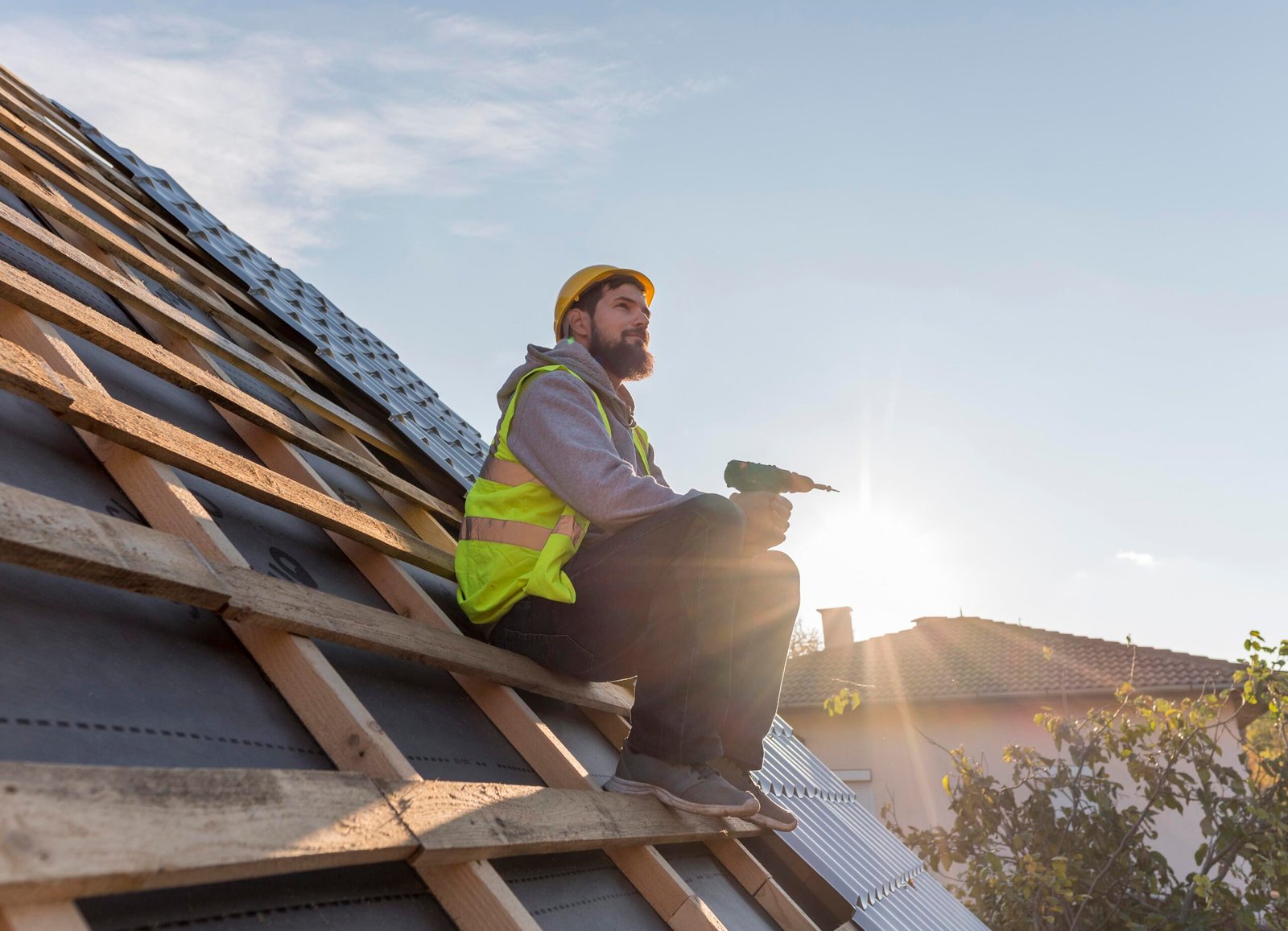
Roofing involves working at elevated heights, handling heavy materials, using power tools, and sometimes dealing with extreme weather. These risk factors require precise training and discipline. In Germany, roofing accidents are taken very seriously, and companies follow strict regulations to ensure trainee safety.
Here are a few reasons safety is so important:
1. Working at Heights
The biggest risk in roofing is falling. Most tasks require being on rooftops, ladders, scaffolds, or elevated platforms. A small mistake can result in serious injury.
2. Heavy and Sharp Materials
Roofers work with tiles, wooden beams, steel sheets, insulation, and tools like nail guns, drills, saws, and cutters. Mishandling can cause cuts, fractures, or impact injuries.
3. Unpredictable Weather
Heat, rain, ice, and wind can make roofs slippery or unstable. Weather awareness is a major part of safety training.
4. Structural Risks
Some roofs may be old, weak, or damaged. Walking on fragile surfaces requires special knowledge of load-bearing points.
5. Fire and Chemical Hazards
Some roofing materials involve adhesives, sealants, gas torches, or chemical coatings, which pose fire and inhalation hazards.
6. Electrical Hazards
Nearby power lines, lightning, or solar panel installations can cause electrical accidents if not properly handled.
Because of these risks, the Dachdecker training in Germany teaches safety from the very first day and continues throughout the entire apprenticeship. Trainees are taught to think, plan, and work safely in every situation.
Core Safety Measures Taught in the Dachdecker Training
Below is a detailed breakdown of all major safety components covered in the Dachdecker Ausbildung. These skill areas are essential for preventing workplace accidents and ensuring a safe working environment for both trainees and professionals.
1. Personal Protective Equipment (PPE)
One of the first lessons in the Dachdecker training is the correct use of personal protective equipment, which acts as the frontline defense against workplace injuries.
Common PPE Used in the Roofing Profession
• Safety Helmet
Protects the head from falling objects, slipping tools, or accidental impacts.
• Safety Shoes
Anti-slip, steel-toe shoes with thick soles reduce chances of slipping and protect the feet from heavy or sharp materials.
• Gloves
Different gloves are used for gripping, insulating, cutting, or handling hot materials.
• Protective Eyewear
Goggles or glasses defend against dust, debris, UV rays, and sparks from metal-cutting tools.
• Safety Harness
Essential for work on steep or elevated roofs. Trainees learn how to wear, adjust, and connect harnesses properly to anchor points.
• Work Clothing
Durable, weather-resistant clothing that protects from cuts, abrasions, and environmental exposure.
• Hearing Protection
Used when operating machines that produce loud noise.
Dachdecker trainees learn not only how to wear PPE but also how to inspect it for damage, store it properly, and replace it when worn out.
2. Fall Protection Systems
Falls are the number one risk in the roofing industry. Therefore, fall protection training is an essential part of the Dachdecker program.
Main Fall Protection Techniques Taught
• Safety Harness and Lifeline Systems
Trainees learn about full-body harnesses, connecting lanyards, shock absorbers, and the correct use of anchor points.
• Guardrails and Roof Edge Protection
Temporary barriers that prevent workers from accidentally stepping off the roof.
• Safety Nets
Installed under roofing areas during large construction or renovation projects.
• Ladder Safety
Training includes:
- Proper angle positioning
- Securing the ladder
- Checking for damage
- Climbing safely with tools
• Scaffolding Safety
Trainees learn about:
- Correct assembly and stability
- Guardrails and toe boards
- Weight limits
- Safe access points
• Walkway Boards
Used to distribute weight and prevent slipping on fragile roofing surfaces.
Fall protection is continuously reinforced during the Ausbildung because a single error on the roof can be catastrophic.
3. Tool and Equipment Safety
Roofers use a wide range of manual and power tools. Proper handling reduces injuries and improves efficiency.
Tools Covered in Safety Training
- Hammer and mallet
- Tile cutters
- Metal shears
- Nail guns
- Drills
- Circular saws
- Heat torches
- Measuring tools
- Roofing knives
Key Equipment Safety Skills Taught
• Pre-use Inspection
Trainees learn to check for:
- Loose blades
- Faulty cables
- Damaged handles
- Worn-out safety guards
• Correct Handling Techniques
To avoid injuries from misuse, trainees practice:
- Stabilizing tools
- Maintaining proper grip
- Cutting materials safely
- Using two hands when needed
• Proper Storage
Tools must be kept in organized boxes or tool belts, not left scattered on the roof where they can cause slips or fall off edges.
• Handling Hazardous Tools
Gas torches and heat guns require special instruction regarding ventilation, ignition safety, flame control, and storage of gas cylinders.
4. Material Handling and Lifting Safety
Roofers handle heavy materials daily. Incorrect lifting or carrying techniques can cause back injuries or muscle strain.
Trainees Learn:
- How to lift using knee strength, not the back
- How to carry long items like beams and pipes without losing balance
- Team lifting techniques for large or heavy panels
- Material distribution strategies to avoid overloading any section of the roof
- Proper organization of materials to prevent tripping
Good material handling ensures both safety and efficiency.
5. Weather Safety and Environmental Awareness
Roof work depends heavily on weather conditions. The Dachdecker training teaches how to recognize and react to environmental changes.
Weather Conditions Covered
• High Winds
Strong winds can blow tools and materials, destabilize workers, and increase the risk of falls.
• Rain and Wet Surfaces
Wet surfaces make roofs slippery. Trainees learn to postpone certain tasks or use anti-slip measures.
• Snow and Ice
Ice-covered roofs are extremely dangerous. Trainees learn how to remove snow safely or avoid risky conditions.
• Heat Exposure
Working under the sun can cause dehydration, heatstroke, or exhaustion. Hydration and rest protocols are emphasized.
• Lightning and Thunderstorms
Roofers are never allowed to work during electrical storms. Trainees learn how to evacuate the roof quickly.
Understanding weather is not optional — it is a core part of roofing safety.
6. Structural Safety and Roof Assessment
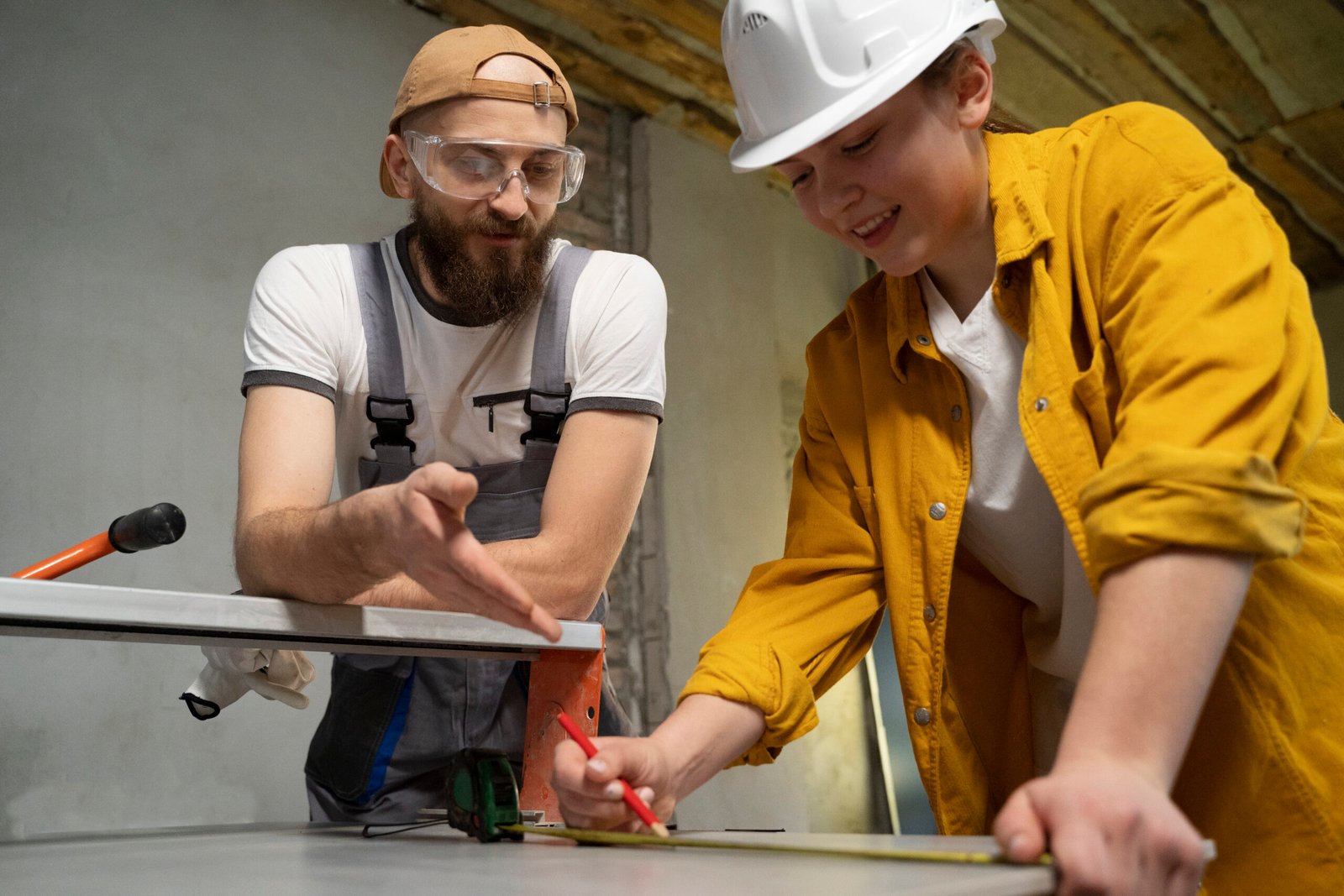
Before stepping on any roof, trainees are taught to analyze its structural integrity.
They Learn to Check:
- Load-bearing capacity
- Weak or rotten wooden beams
- Loose roof tiles
- Damaged rafters
- Unstable roofing surfaces
- Fragile skylights
- Chimney stability
Trainees also study architectural drawings, which help them identify safe zones and load distribution points.
7. Electrical Safety Measures
Many roofs contain electrical hazards, especially when solar panels or old wiring are present.
Key Electrical Safety Measures Taught
- Maintaining safe distance from power lines
- Identifying live wires or old electrical installations
- Avoiding metal tools near electrical sources
- Using insulated tools
- Turning off circuits when necessary
- Preventing water contact with electrical components
Electrical awareness is essential to prevent shocks or fires.
8. Safety in Handling Chemicals and Hot Materials
Roofers sometimes use adhesives, waterproof coatings, sealants, insulation foams, and bitumen.
Trainees Learn:
- Proper ventilation techniques
- Avoiding inhalation of toxic fumes
- Handling hot bitumen safely
- Preventing burns from heated materials
- Storing chemicals properly
- Using protective gloves and masks
Chemical safety ensures long-term health protection and prevents workplace fires.
9. Fire Safety Training
Roofers must be trained in fire prevention because many roofing materials are flammable.
Fire Safety Topics Include:
- Safe use of gas burners
- Checking gas connections
- Keeping fire extinguishers nearby
- Understanding fire classes and extinguisher types
- Emergency evacuation procedures
- Identifying combustible materials
Trainees also practice controlled use of torches used in waterproofing.
10. Communication and Team Safety
Roofing is always a team effort. Good communication prevents misunderstandings that could cause accidents.
Training Includes:
- Using hand signals
- Verbal communication on noisy sites
- Coordinating lifting activities
- Ensuring everyone knows their role
- Keeping awareness of coworkers’ positions
Team communication reduces risks and improves workflow.
11. Workplace Organization and Cleanliness (Housekeeping Safety)
A cluttered roof is a dangerous roof.
Trainees Learn to:
- Keep walkways clear
- Organize tools and materials
- Dispose of debris safely
- Keep surfaces clean
- Store equipment properly
Good housekeeping reduces tripping hazards and falling object risks.
12. Emergency Response and First Aid
Accidents can still happen, so trainees are taught how to respond quickly and efficiently.
Emergency Training Covers:
- Basic first aid
- Treating cuts, burns, and fractures
- CPR and emergency breathing
- Calling rescue services
- Safely evacuating from a roof
- Using first aid kits effectively
This training helps prevent complications and saves lives in critical situations.
13. Legal and Regulatory Safety Requirements
Germany has strict workplace safety laws, and roofing companies must comply with them.
Trainees Study:
- Worker protection regulations
- Construction site safety laws
- Employer and employee responsibilities
- Accident documentation protocols
- Inspection requirements
Understanding regulations ensures compliance and reduces liability.
Conclusion
The Dachdecker training in Germany is one of the most safety-focused apprenticeship programs in the country. Because roofing is a high-risk profession, safety is emphasized at every stage of the Ausbildung — from the first training day to the final exam. Trainees learn not only how to protect themselves but also their coworkers, clients, and property.
By mastering safety measures such as fall protection, equipment handling, PPE usage, weather assessment, fire prevention, emergency response, and structural analysis, future roofers develop the confidence and competence needed to work professionally and responsibly.
Roofing is a rewarding and respected career, but it demands discipline, focus, and a commitment to safety. The comprehensive safety measures taught in the Dachdecker Ausbildung ensure that every trainee graduates as a skilled, responsible, and well-prepared professional — ready to handle the challenges of the roofing industry with expertise and caution.
1. Personal Protective Equipment (PPE)
One of the first lessons in the Dachdecker training is the correct use of personal protective equipment, which acts as the frontline defense against workplace injuries.
Common PPE Used in the Roofing Profession
• Safety Helmet
Protects the head from falling objects, slipping tools, or accidental impacts.
• Safety Shoes
Anti-slip, steel-toe shoes with thick soles reduce chances of slipping and protect the feet from heavy or sharp materials.
• Gloves
Different gloves are used for gripping, insulating, cutting, or handling hot materials.
• Protective Eyewear
Goggles or glasses defend against dust, debris, UV rays, and sparks from metal-cutting tools.
• Safety Harness
Essential for work on steep or elevated roofs. Trainees learn how to wear, adjust, and connect harnesses properly to anchor points.
• Work Clothing
Durable, weather-resistant clothing that protects from cuts, abrasions, and environmental exposure.
• Hearing Protection
Used when operating machines that produce loud noise.
Dachdecker trainees learn not only how to wear PPE but also how to inspect it for damage, store it properly, and replace it when worn out.
2. Fall Protection Systems
Falls are the number one risk in the roofing industry. Therefore, fall protection training is an essential part of the Dachdecker program.
Main Fall Protection Techniques Taught
• Safety Harness and Lifeline Systems
Trainees learn about full-body harnesses, connecting lanyards, shock absorbers, and the correct use of anchor points.
• Guardrails and Roof Edge Protection
Temporary barriers that prevent workers from accidentally stepping off the roof.
• Safety Nets
Installed under roofing areas during large construction or renovation projects.
• Ladder Safety
Training includes:
- Proper angle positioning
- Securing the ladder
- Checking for damage
- Climbing safely with tools
• Scaffolding Safety
Trainees learn about:
- Correct assembly and stability
- Guardrails and toe boards
- Weight limits
- Safe access points
• Walkway Boards
Used to distribute weight and prevent slipping on fragile roofing surfaces.
Fall protection is continuously reinforced during the Ausbildung because a single error on the roof can be catastrophic.
3. Tool and Equipment Safety
Roofers use a wide range of manual and power tools. Proper handling reduces injuries and improves efficiency.
Tools Covered in Safety Training
- Hammer and mallet
- Tile cutters
- Metal shears
- Nail guns
- Drills
- Circular saws
- Heat torches
- Measuring tools
- Roofing knives
Key Equipment Safety Skills Taught
• Pre-use Inspection
Trainees learn to check for:
- Loose blades
- Faulty cables
- Damaged handles
- Worn-out safety guards
• Correct Handling Techniques
To avoid injuries from misuse, trainees practice:
- Stabilizing tools
- Maintaining proper grip
- Cutting materials safely
- Using two hands when needed
• Proper Storage
Tools must be kept in organized boxes or tool belts, not left scattered on the roof where they can cause slips or fall off edges.
• Handling Hazardous Tools
Gas torches and heat guns require special instruction regarding ventilation, ignition safety, flame control, and storage of gas cylinders.
4. Material Handling and Lifting Safety
Roofers handle heavy materials daily. Incorrect lifting or carrying techniques can cause back injuries or muscle strain.
Trainees Learn:
- How to lift using knee strength, not the back
- How to carry long items like beams and pipes without losing balance
- Team lifting techniques for large or heavy panels
- Material distribution strategies to avoid overloading any section of the roof
- Proper organization of materials to prevent tripping
Good material handling ensures both safety and efficiency.
5. Weather Safety and Environmental Awareness
Roof work depends heavily on weather conditions. The Dachdecker training teaches how to recognize and react to environmental changes.
Weather Conditions Covered
• High Winds
Strong winds can blow tools and materials, destabilize workers, and increase the risk of falls.
• Rain and Wet Surfaces
Wet surfaces make roofs slippery. Trainees learn to postpone certain tasks or use anti-slip measures.
• Snow and Ice
Ice-covered roofs are extremely dangerous. Trainees learn how to remove snow safely or avoid risky conditions.
• Heat Exposure
Working under the sun can cause dehydration, heatstroke, or exhaustion. Hydration and rest protocols are emphasized.
• Lightning and Thunderstorms
Roofers are never allowed to work during electrical storms. Trainees learn how to evacuate the roof quickly.
Understanding weather is not optional — it is a core part of roofing safety.
6. Structural Safety and Roof Assessment
Before stepping on any roof, trainees are taught to analyze its structural integrity.
They Learn to Check:
- Load-bearing capacity
- Weak or rotten wooden beams
- Loose roof tiles
- Damaged rafters
- Unstable roofing surfaces
- Fragile skylights
- Chimney stability
Trainees also study architectural drawings, which help them identify safe zones and load distribution points.
7. Electrical Safety Measures
Many roofs contain electrical hazards, especially when solar panels or old wiring are present.
Key Electrical Safety Measures Taught
- Maintaining safe distance from power lines
- Identifying live wires or old electrical installations
- Avoiding metal tools near electrical sources
- Using insulated tools
- Turning off circuits when necessary
- Preventing water contact with electrical components
Electrical awareness is essential to prevent shocks or fires.
8. Safety in Handling Chemicals and Hot Materials
Roofers sometimes use adhesives, waterproof coatings, sealants, insulation foams, and bitumen.
Trainees Learn:
- Proper ventilation techniques
- Avoiding inhalation of toxic fumes
- Handling hot bitumen safely
- Preventing burns from heated materials
- Storing chemicals properly
- Using protective gloves and masks
Chemical safety ensures long-term health protection and prevents workplace fires.
9. Fire Safety Training
Roofers must be trained in fire prevention because many roofing materials are flammable.
Fire Safety Topics Include:
- Safe use of gas burners
- Checking gas connections
- Keeping fire extinguishers nearby
- Understanding fire classes and extinguisher types
- Emergency evacuation procedures
- Identifying combustible materials
Trainees also practice controlled use of torches used in waterproofing.
10. Communication and Team Safety
Roofing is always a team effort. Good communication prevents misunderstandings that could cause accidents.
Training Includes:
- Using hand signals
- Verbal communication on noisy sites
- Coordinating lifting activities
- Ensuring everyone knows their role
- Keeping awareness of coworkers’ positions
Team communication reduces risks and improves workflow.
11. Workplace Organization and Cleanliness (Housekeeping Safety)
A cluttered roof is a dangerous roof.
Trainees Learn to:
- Keep walkways clear
- Organize tools and materials
- Dispose of debris safely
- Keep surfaces clean
- Store equipment properly
Good housekeeping reduces tripping hazards and falling object risks.
12. Emergency Response and First Aid
Accidents can still happen, so trainees are taught how to respond quickly and efficiently.
Emergency Training Covers:
- Basic first aid
- Treating cuts, burns, and fractures
- CPR and emergency breathing
- Calling rescue services
- Safely evacuating from a roof
- Using first aid kits effectively
This training helps prevent complications and saves lives in critical situations.
13. Legal and Regulatory Safety Requirements
Germany has strict workplace safety laws, and roofing companies must comply with them.
Trainees Study:
- Worker protection regulations
- Construction site safety laws
- Employer and employee responsibilities
- Accident documentation protocols
- Inspection requirements
Understanding regulations ensures compliance and reduces liability.
Conclusion
The Dachdecker training in Germany is one of the most safety-focused apprenticeship programs in the country. Because roofing is a high-risk profession, safety is emphasized at every stage of the Ausbildung — from the first training day to the final exam. Trainees learn not only how to protect themselves but also their coworkers, clients, and property.
By mastering safety measures such as fall protection, equipment handling, PPE usage, weather assessment, fire prevention, emergency response, and structural analysis, future roofers develop the confidence and competence needed to work professionally and responsibly.
Roofing is a rewarding and respected career, but it demands discipline, focus, and a commitment to safety. The comprehensive safety measures taught in the Dachdecker Ausbildung ensure that every trainee graduates as a skilled, responsible, and well-prepared professional — ready to handle the challenges of the roofing industry with expertise and caution.
For official details about vocational training regulations and wages, you can visit the Federal Employment Agency’s Ausbildung Portal or the Make It In Germany website.
Frequently Asked Questions
Does Welcare Overseas Education help students with What are the Dachdecker training safety measures??
Yes. Welcare Overseas Education provides free counselling, application support and visa guidance related to What are the Dachdecker training safety measures?, based on your academic background and goals.
Is the first consultation for What are the Dachdecker training safety measures? free?
Yes, the initial consultation is completely free. You can book it through the enquiry form on this page or directly on WhatsApp at +91 81974 41860.
How do I apply through Welcare Overseas after reading this guide?
Share your qualifications and country of interest through the enquiry form or WhatsApp, and a Welcare Overseas counsellor will guide you through the next steps for What are the Dachdecker training safety measures?.
Helpful Official Resources
Thank you! We’ve got your enquiry.
Our team will get back to you shortly. Want a faster reply? Continue the conversation on WhatsApp.
Continue on WhatsAppBook Your Free Consultation Today
Fill the form below and our team will get in touch with you regarding admissions, visas, and job placements across Europe.