
Germany is known for its strong vocational training system, known as Ausbildung. It allows students and young professionals to gain hands-on experience while learning a specific trade or technical skill. Among the various professions available through Ausbildung programs, the electrician trade stands out as one of the most in-demand and well-respected. Electricians play a crucial role in maintaining and developing Germany’s modern infrastructure — from residential wiring to industrial electrical systems.
For those considering a future as an electrician in Germany, one of the most important questions is: How much can you earn after completing your Ausbildung?
This article provides a detailed, professional breakdown of the average electrician salary in Germany after Ausbildung, factors that influence earnings, regional variations, growth opportunities, and future career prospects.
1. Overview of electrician salary after Ausbildung in Germany
Before understanding the salary structure, it’s essential to know what the Ausbildung program involves. The Elektroniker/in Ausbildung (Electrician Apprenticeship) in Germany is typically a dual training program that combines classroom education with on-the-job training. This dual system ensures that trainees gain both theoretical knowledge and practical experience simultaneously.
Duration and Structure
The Ausbildung to become an electrician usually lasts 3 to 3.5 years. During this time, trainees split their schedule between:
- Vocational School (Berufsschule): 1–2 days per week of theoretical learning about electrical systems, safety standards, and modern technologies.
- Practical Training: 3–4 days per week working in a company under professional supervision.
Students also receive a monthly stipend known as Ausbildungsvergütung, which increases each year during the program.
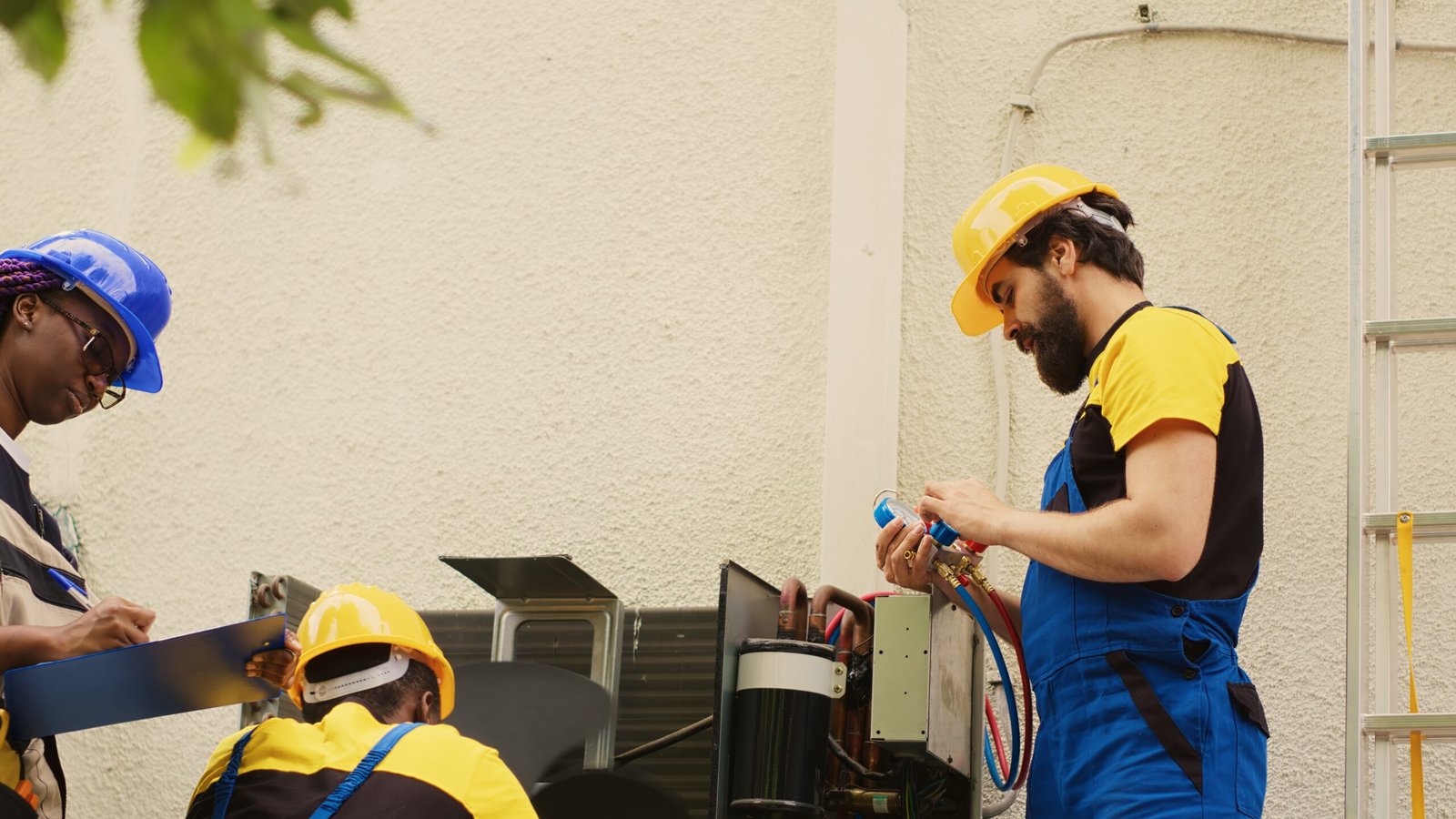
2. Salary During electrician salary after Ausbildung in Germany (Training Period)
Even before completing Ausbildung, electrician trainees earn a modest but steady income. The salary depends on the company, region, and collective agreements (Tarifvertrag), but on average, trainees receive the following monthly pay:
| Year of Training | Average Monthly Stipend (€) |
|---|---|
| 1st Year | €850 – €950 |
| 2nd Year | €950 – €1,050 |
| 3rd Year | €1,050 – €1,200 |
While this is not a high income, it covers basic living expenses for many trainees, especially when combined with subsidized housing or family support. More importantly, the experience and certification obtained after Ausbildung lead to much higher salaries.
3. Average Salary After Completing Ausbildung
Once an electrician completes the Ausbildung and becomes a fully qualified professional (Geselle), their salary increases significantly. The average salary of an electrician after Ausbildung in Germany typically ranges between €2,800 and €3,500 per month (gross) in the beginning.
This translates to roughly €33,000 – €42,000 per year, depending on the employer, region, and specialization. With experience, electricians can quickly earn much more, often reaching salaries of €4,000 or more per month within a few years.
4. Factors Affecting Electrician Salaries in Germany
Several factors influence how much an electrician earns after completing Ausbildung. Understanding these variables helps in setting realistic salary expectations and planning career growth.
1. Experience Level
Experience is one of the most critical factors. A newly certified electrician may start at €2,800, but after 3–5 years, their monthly income can rise to €3,800–€4,500. Senior electricians, especially those supervising teams or working on complex industrial systems, can earn even more.
2. Industry and Sector
Electricians work in various fields, including:
- Construction and building technology
- Industrial manufacturing
- Renewable energy (solar, wind)
- Maintenance and facility management
- Electrical engineering companies
Typically, industrial electricians and those in renewable energy sectors earn more due to technical complexity and higher demand.
3. Location and Region
Regional differences in salary are notable in Germany. For instance:
- Southern Germany (Bavaria, Baden-Württemberg): Electricians earn some of the highest wages, averaging €3,500–€4,200 monthly.
- Western Germany (North Rhine-Westphalia, Hesse): Around €3,200–€3,800 monthly.
- Eastern Germany (Saxony, Thuringia, Brandenburg): Slightly lower, averaging €2,800–€3,200 monthly.
These differences often reflect the local cost of living and industrial concentration.
4. Employer Type and Size
Large corporations or government organizations often pay higher wages than small private firms. Unionized companies with collective bargaining agreements (Tarifvertrag) also tend to offer better pay, additional benefits, and regular raises.
5. Specialization
Electricians who specialize in specific areas such as automation, renewable energy, smart home systems, or industrial controls can command higher salaries. Specialized certifications and training courses greatly enhance earning potential.
5. Salary Growth With Experience
Electricians in Germany enjoy consistent salary growth as they gain more experience and responsibility. Here’s an approximate salary development timeline:
| Experience Level | Average Monthly Salary (€) |
|---|---|
| Entry-Level (0–2 years) | €2,800 – €3,500 |
| Mid-Level (3–5 years) | €3,500 – €4,200 |
| Senior Electrician (6–10 years) | €4,200 – €4,800 |
| Master Electrician (Meister) | €4,800 – €6,000 |
| Self-Employed or Contractor | €5,000 – €7,000+ |
These numbers represent gross salaries. After taxes and social contributions, net income will be lower, but still provides a comfortable living standard in Germany.
6. Career Progression After Ausbildung
Completing the Ausbildung is only the first step in an electrician’s career. The German vocational system provides numerous opportunities for further qualification and advancement.
1. Master Electrician (Elektromeister)
Becoming a Meister (Master Craftsman) is one of the most prestigious achievements in the trades sector. This certification not only boosts salary but also grants the right to train apprentices and start your own business.
A Master Electrician can earn between €4,800 and €6,000 per month, depending on their field.
2. Technician (Staatlich geprüfter Techniker)
Electricians can also pursue advanced technical studies to become a certified technician. This opens up opportunities in planning, design, and management positions within electrical engineering and industrial companies.
3. Self-Employment
Many electricians eventually open their own businesses. As independent contractors, their earnings depend on project volume and reputation, often exceeding €70,000–€100,000 annually for successful entrepreneurs.
4. Further Education and Specialization
Germany encourages lifelong learning. Electricians can specialize in renewable energy systems, automation, robotics, or smart building technology — all of which are growing fields with high demand and pay.
7. Work Environment and Responsibilities
Electricians in Germany perform a wide range of tasks, depending on their specialization. A typical workday may involve:
- Installing, inspecting, and maintaining electrical systems
- Wiring residential and commercial buildings
- Ensuring compliance with safety regulations
- Diagnosing electrical issues and repairing faults
- Setting up renewable energy systems like solar panels
- Programming and maintaining automation systems in factories
The job often involves physical work, attention to detail, and adherence to strict safety standards. In exchange, electricians enjoy stable employment, job security, and opportunities for advancement.
8. Demand for Electricians in Germany
Germany is currently facing a shortage of skilled workers, especially in technical fields. The demand for electricians is consistently high due to several reasons:
- Expansion of renewable energy infrastructure
- Growing smart home and automation markets
- Need for modernization of electrical systems in older buildings
- Industrial growth and electrification of transport systems
This shortage ensures that qualified electricians remain highly employable, with strong job security and rising wages.
9. Working Hours and Conditions
Electricians generally work 38–40 hours per week, Monday through Friday. Some may need to work overtime or on weekends, especially for urgent maintenance or installation projects. Overtime is usually compensated either financially or through additional time off.
Working conditions are safe and regulated under German labor laws. Employers must provide proper protective gear and adhere to health and safety standards. Many companies also offer benefits such as:
- Paid vacation (24–30 days per year)
- Health and accident insurance
- Pension contributions
- Holiday bonuses (Weihnachtsgeld)
- Overtime pay or time compensation
10. Regional Salary Comparison for Electricians
Here’s a more detailed look at average electrician salaries by region in Germany:
| Region | Average Monthly Salary (€) | Notes |
|---|---|---|
| Bavaria (Bayern) | €3,800 – €4,200 | High demand in industrial cities like Munich |
| Baden-Württemberg | €3,700 – €4,100 | Strong manufacturing and engineering sector |
| North Rhine-Westphalia (NRW) | €3,400 – €3,800 | Diverse industries and stable employment |
| Hesse | €3,300 – €3,700 | Includes Frankfurt, with strong commercial projects |
| Lower Saxony | €3,100 – €3,500 | Moderate salaries, good living costs |
| Saxony | €2,800 – €3,200 | Developing economy, slightly lower pay |
| Brandenburg | €2,900 – €3,200 | Growing renewable energy projects |
| Berlin | €3,200 – €3,600 | Increasing demand for smart home systems |
11. Comparison With Other Trades
Electricians are among the better-paid trade professionals in Germany. Here’s how their earnings compare to other common Ausbildung professions:
| Profession | Average Monthly Salary (€) After Ausbildung |
|---|---|
| Electrician | €2,800 – €3,500 |
| Plumber | €2,600 – €3,200 |
| Mechanic | €2,700 – €3,400 |
| Carpenter | €2,400 – €3,000 |
| Welder | €2,800 – €3,400 |
| HVAC Technician | €3,000 – €3,800 |
This comparison clearly shows that electricians earn above-average salaries and enjoy strong job security.
12. Future Outlook for Electricians in Germany
The future for electricians in Germany looks exceptionally bright. The country’s commitment to renewable energy, digital infrastructure, and smart technologies means electricians will continue to play a vital role in its economy.
Trends Driving Future Demand:
- Expansion of electric vehicle charging networks
- Growth of smart home and building automation
- Increasing solar and wind energy installations
- Energy efficiency renovations in older properties
- Digital transformation of manufacturing processes
As Germany continues its transition toward green energy and sustainable technologies, electricians with the right skills will find abundant opportunities and rising salaries.
13. Skills That Increase Earning Potential
To maximize earnings after Ausbildung, electricians should continuously upgrade their technical and soft skills. High-paying employers often look for professionals who possess:
- Strong knowledge of automation and control systems
- Experience with renewable energy technology
- Understanding of digital systems and IoT (Internet of Things)
- Proficiency in reading electrical blueprints and technical drawings
- Teamwork and communication skills
- Strong safety and compliance awareness
- German language proficiency (B1–B2 level or higher)
Learning advanced computer-based tools and electrical design software can also open doors to higher-paying roles in engineering firms or project management.
14. Living Standards and Cost of Living
An electrician’s salary in Germany ensures a comfortable standard of living. After taxes, a qualified electrician typically takes home €2,000 – €2,600 per month (net), depending on location and tax class.
With this income, one can afford:
- A decent apartment or shared housing
- Regular leisure activities
- Savings or travel within Europe
- Stable healthcare and pension coverage
Smaller towns offer lower living costs compared to major cities like Munich or Frankfurt, allowing for higher disposable income even at similar salary levels.
15. Summary: What is the Average Salary of an Electrician After Ausbildung in Germany?
To summarize:
| Category | Details |
|---|---|
| Starting Salary After Ausbildung | €2,800 – €3,500 per month |
| Mid-Level Electrician | €3,500 – €4,200 per month |
| Senior/Experienced | €4,200 – €4,800 per month |
| Master Electrician (Meister) | €4,800 – €6,000 per month |
| Self-Employed | €5,000 – €7,000+ per month |
| Average Annual Salary | €33,000 – €55,000 (depending on experience) |
Electricians in Germany not only earn competitive wages but also enjoy excellent job stability, continuous learning opportunities, and the satisfaction of working in a respected technical profession.
16. Conclusion
Choosing to pursue an electrician Ausbildung in Germany is a smart and rewarding decision. The program equips individuals with valuable technical expertise, practical experience, and an official qualification recognized nationwide. Upon completion, electricians enter a labor market with strong demand, stable employment, and solid earning potential.
The average salary of an electrician after Ausbildung in Germany — ranging between €2,800 and €3,500 per month initially — offers a solid foundation for a successful career. With experience, additional certifications, and specialization, income can grow substantially, often surpassing €5,000 per month.
Beyond monetary rewards, electricians contribute to the backbone of Germany’s technological progress — from powering homes to driving the renewable energy revolution. For those who value hands-on work, problem-solving, and long-term career growth, becoming an electrician in Germany is not just a job — it’s a profession with purpose and pride.