
Germany is renowned for its strong vocational education system, especially the Ausbildung (apprenticeship) programs. Among these, the Plumber Ausbildung (Ausbildung as a plumbing technician – Anlagenmechaniker für Sanitär-, Heizungs- und Klimatechnik) stands out as one of the most practical and rewarding career paths. Completing this program opens a wide range of job opportunities both in Germany and abroad.
In this detailed guide, we’ll explore all the possible career opportunities after completing a Plumber Ausbildung, salary prospects, growth potential, and what makes plumbing such a stable and in-demand profession in the German labor market.
Understanding the Plumber Ausbildung in Germany
Before diving into career options, it’s essential to understand what the Plumber Ausbildung actually involves.
The Plumber Ausbildung typically lasts 3 to 3.5 years and combines theoretical education at a vocational school (Berufsschule) with hands-on training in a plumbing company. Trainees learn how to install, maintain, and repair sanitary systems, heating systems, water pipelines, gas fittings, and ventilation systems.
During the apprenticeship, students gain in-depth technical skills, safety training, and customer service experience. The program prepares them to handle residential, commercial, and industrial projects, making them highly employable upon graduation.
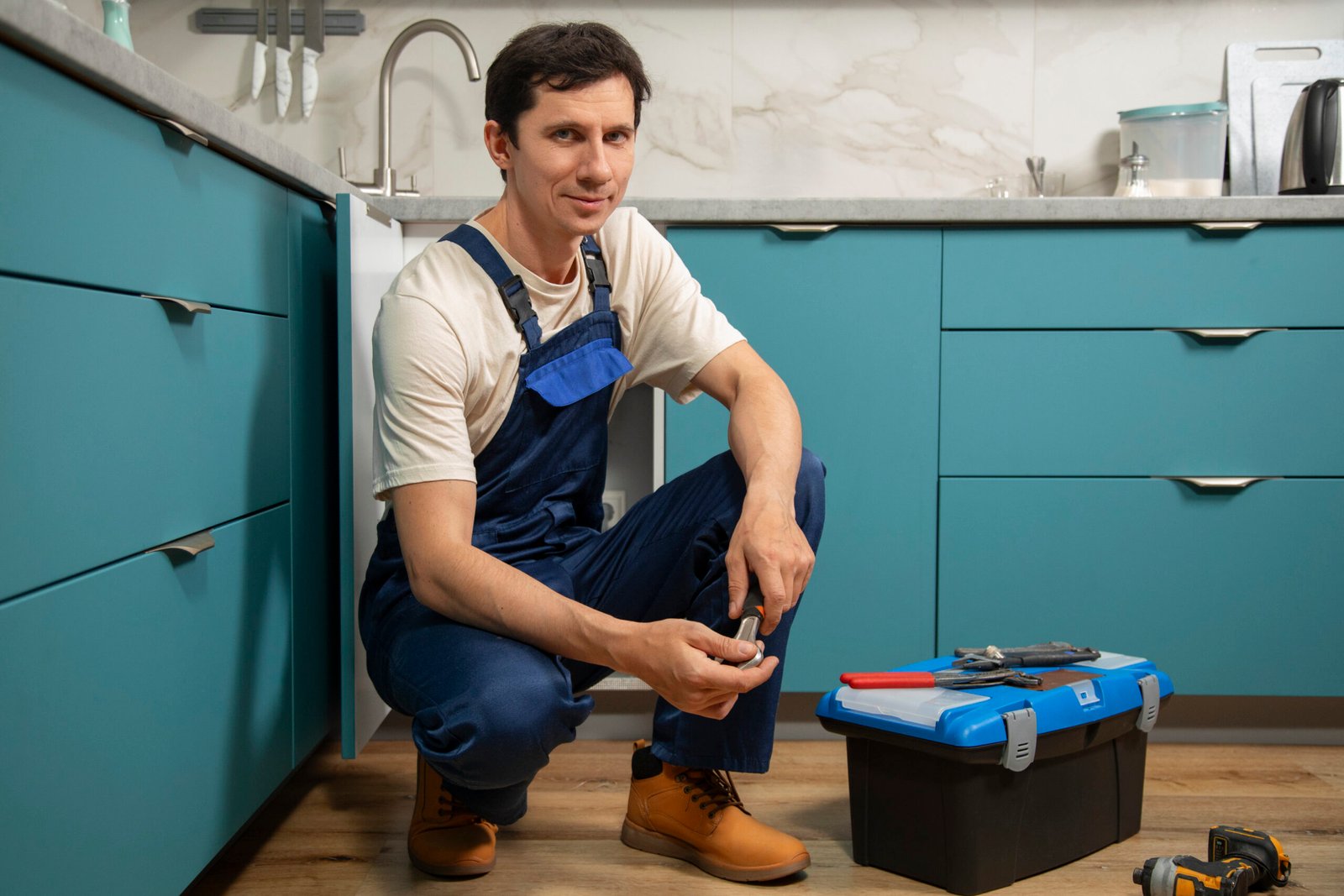
1. Working as a Qualified Plumber (Sanitärinstallateur)
The most direct and common career path after completing the Plumber Ausbildung is to start working as a qualified plumber.
In this role, you’ll be responsible for:
- Installing water supply and drainage systems in homes and buildings
- Repairing leaks, pipes, and sanitary fixtures
- Maintaining heating and air conditioning systems
- Performing routine inspections and ensuring compliance with safety standards
Qualified plumbers are always in demand in Germany, as plumbing is an essential service. The increasing need for energy-efficient and eco-friendly installations has made this profession even more important.
Average Salary:
A qualified plumber in Germany can expect to earn between €2,800 and €4,500 per month, depending on experience, region, and employer.
As you gain more experience or specialize, your earning potential increases significantly.
2. Becoming a Heating and Sanitation Specialist
Many plumbers choose to specialize further in heating, sanitation, or air conditioning systems. This specialization allows you to work on more complex projects and command higher wages.
Job responsibilities include:
- Designing and installing central heating systems
- Implementing solar and renewable energy systems for heating water
- Maintaining environmentally friendly sanitation systems
- Advising clients on sustainable energy solutions
Specialists often work for engineering firms, large construction companies, or municipal organizations.
Career benefits:
- High job security due to growing demand for sustainable heating systems
- Opportunities to work on large-scale commercial projects
- Potential to supervise teams or manage specific technical projects
3. Becoming a Master Plumber (Meister)
After completing your Ausbildung and gaining some professional experience (usually two to three years), you can pursue the Meister title – a Master Craftsman qualification in plumbing.
The Meisterbrief is one of the most respected titles in Germany’s trade professions. It not only demonstrates advanced expertise but also qualifies you to run your own plumbing business or train apprentices.
Benefits of becoming a Meister:
- You can open your own plumbing company
- You can hire employees and offer apprenticeship positions
- You gain a higher professional status and better salary
- You can take on more complex and large-scale projects
The Meister title also provides leadership and management training, preparing you for entrepreneurship or senior technical positions in the industry.
4. Starting Your Own Plumbing Business
Entrepreneurial plumbers often dream of becoming self-employed. After obtaining the Meister qualification (which is mandatory to run a plumbing business independently in Germany), you can register your company and start offering services directly to clients.
Key services you can offer:
- Residential and commercial plumbing installations
- Maintenance contracts for large buildings or companies
- Heating and ventilation system installations
- Green and renewable water systems
Running your own plumbing business can be highly profitable, especially if you develop a strong client base and reputation for quality service.
Average income:
Self-employed plumbers can earn anywhere between €60,000 to €120,000 per year, depending on the region, size of the business, and number of clients.
5. Working in Building Maintenance and Facility Management
Plumbers with experience and technical understanding can move into facility management or building maintenance roles.
In these positions, you’ll be responsible for ensuring that the entire plumbing and heating systems of large buildings — such as hospitals, factories, universities, or office complexes — operate efficiently.
Typical tasks include:
- Regular inspection of plumbing and heating systems
- Preventive maintenance to avoid breakdowns
- Managing repair schedules
- Coordinating with other technical departments
This is a stable, long-term career path with fixed working hours and excellent benefits, especially in large organizations or government institutions.
6. Working in Industrial Plumbing
Industrial plumbing is another attractive sector where skilled plumbers are required for complex installation and maintenance work in factories, power plants, and production facilities.
Key responsibilities:
- Setting up large-scale water, gas, and drainage systems
- Working with industrial-grade materials and machinery
- Ensuring compliance with safety and environmental standards
Industrial plumbers often work in teams under engineers or project managers and receive higher pay than domestic plumbers due to the complexity and risk of the work.
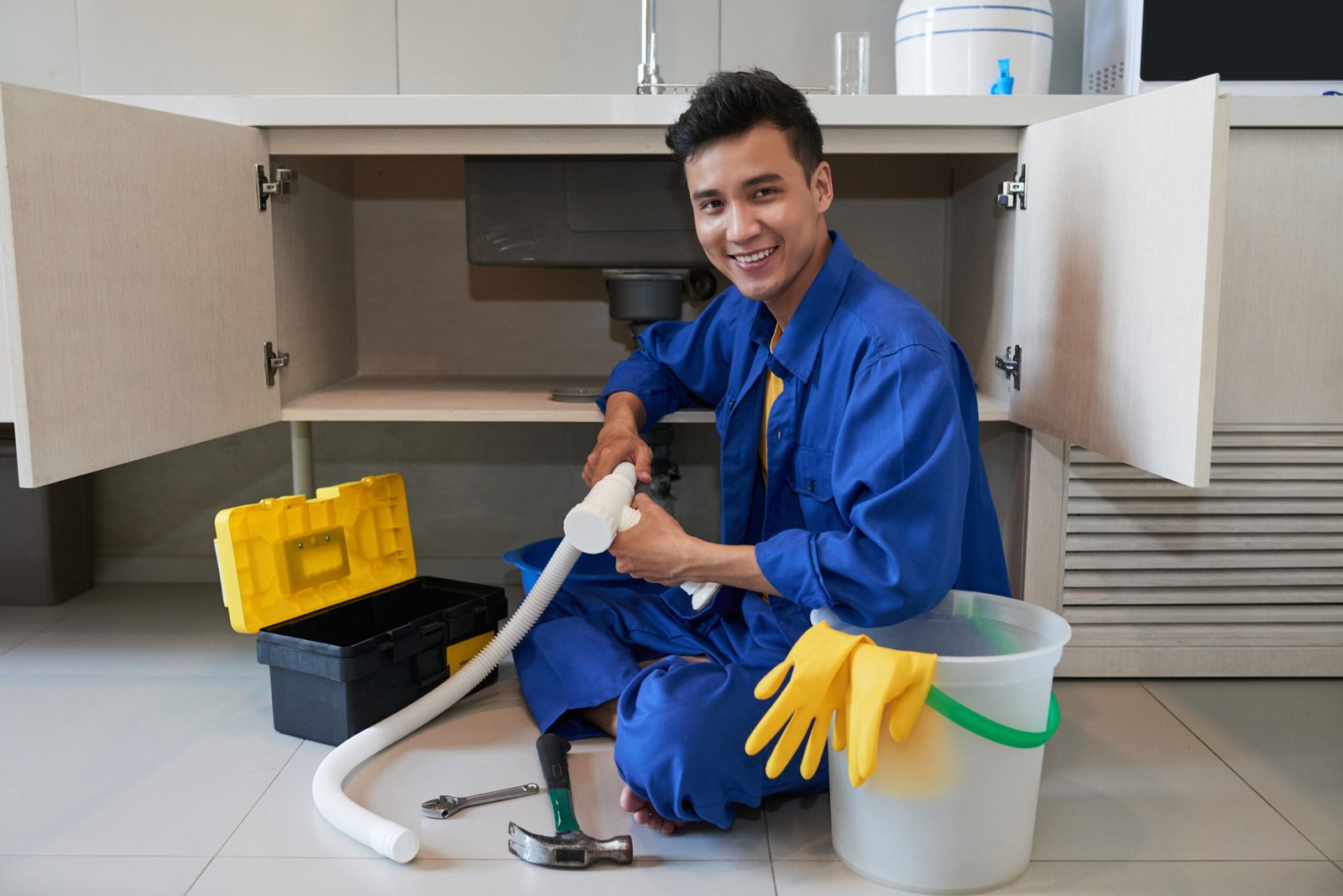
7. Working as a Construction Site Supervisor or Technical Foreman
After several years of experience, many plumbers progress to supervisory positions on construction sites.
As a technical foreman (Bauleiter or Vorarbeiter), you’ll manage teams of plumbers, coordinate with architects and engineers, and ensure projects are completed on time and within budget.
Responsibilities include:
- Planning and supervising plumbing installations
- Managing materials and logistics
- Ensuring safety and quality control
- Reporting progress to project managers
This role requires both technical expertise and leadership skills, and it’s a significant step toward management or project coordination positions.
8. Teaching or Training Future Apprentices
After gaining the Meister title, you can also become a vocational trainer or instructor at a technical school or training center.
Germany’s dual education system relies heavily on skilled professionals to teach the next generation of plumbers. If you enjoy mentoring and have good communication skills, this can be a rewarding path.
Benefits:
- Stable government or institution-based employment
- Regular working hours and benefits
- The satisfaction of contributing to skill development
Teaching positions also offer the chance to stay updated on modern plumbing technologies and innovations.
9. Working Abroad
German-trained plumbers are respected globally due to the country’s rigorous apprenticeship standards. After completing your Plumber Ausbildung, you can explore work opportunities in other European countries or even overseas.
Countries like Austria, Switzerland, Canada, and Australia often seek skilled tradespeople trained under the German system. Your qualification and work experience can make immigration or job placement much easier.
Advantages:
- International exposure and higher earnings
- Opportunities to work on large international projects
- Experience with advanced plumbing technologies
This global mobility makes plumbing one of the few careers that remain in demand everywhere.
10. Transitioning into Green Energy and Sustainability Projects
The plumbing industry is rapidly evolving, especially with the increasing emphasis on green technology and sustainability. Germany is leading the transition toward energy-efficient buildings and renewable systems.
Plumbers trained in modern techniques can specialize in:
- Solar thermal water heating systems
- Rainwater harvesting installations
- Heat pump and geothermal systems
- Greywater recycling systems
Professionals in this niche are often paid premium rates due to the technical expertise and environmental impact of their work.
11. Career in Project Planning and Design
Some plumbers move beyond hands-on work into planning, designing, and consulting roles. With additional training or certification, you can work as a technical planner for plumbing and heating systems.
In this position, you collaborate with architects and engineers to:
- Design efficient piping and heating layouts
- Choose the best materials and technologies
- Ensure compliance with local building codes and sustainability standards
This career path is ideal for those who enjoy the technical and creative side of construction but want to move into an office-based environment.
12. Joining Municipal or Government Services
Government agencies and public utilities often require skilled plumbers for water management, sanitation, and public infrastructure maintenance.
Working in this sector provides job security, regular working hours, pension benefits, and long-term stability.
Your responsibilities may include:
- Maintaining public water systems
- Repairing city drainage or sewage pipelines
- Inspecting plumbing systems for safety compliance
Public sector positions also offer opportunities for career growth and specialized training.
13. Moving into Sales or Technical Consultancy
Another exciting direction is transitioning from hands-on plumbing to technical sales or consultancy.
Companies that produce or distribute plumbing materials, heating systems, or water treatment equipment often hire experienced plumbers to advise clients and sell their products.
Roles include:
- Technical sales representative
- Product advisor or consultant
- Customer support specialist
This career allows you to combine your technical knowledge with communication and marketing skills.
14. Working for International Construction Companies
Many international construction and engineering firms operating in Germany and across Europe hire plumbers for large-scale commercial or infrastructure projects.
These projects include:
- Airports, hospitals, and industrial complexes
- Luxury residential developments
- Public utility installations
Working for such firms can expose you to cutting-edge technologies, international work environments, and competitive salaries.
15. Advancing to Engineering or Technical Management Roles
With additional education (such as completing a Techniker qualification or a Bachelor’s degree in Building Services Engineering), plumbers can advance to engineering or technical management roles.
This route is ideal for ambitious professionals who want to move into planning, design, and management positions rather than hands-on work.
Potential job titles:
- Plumbing System Engineer
- HVAC Project Manager
- Technical Operations Supervisor
These roles come with higher responsibilities, excellent salaries, and the opportunity to lead major construction and sustainability projects.
16. Continuing Education and Lifelong Learning
Germany encourages continuous learning and upgrading of skills. After completing your Ausbildung, you can take additional certifications and courses to expand your expertise, such as:
- Renewable energy systems
- Smart home water management
- Advanced pipework and welding techniques
- CAD software for system design
Ongoing training helps you stay competitive and open new doors in the ever-evolving technical field.
17. Why Plumbing Is a Stable and Rewarding Career in Germany
Plumbing is not just about fixing leaks — it’s about ensuring hygiene, safety, and sustainability in modern living. The profession has evolved to include energy efficiency, automation, and smart home technologies, making it an exciting technical field.
Key advantages of this profession:
- Constant demand — plumbing is essential everywhere
- High earning potential, especially for skilled workers
- Freedom to work independently or as part of large projects
- Opportunities to learn and specialize in green technology
- Clear career growth from apprentice to master to business owner
Germany’s strong economy and aging infrastructure ensure that plumbers will continue to be in demand for decades to come.
Conclusion
Completing a Plumber Ausbildung in Germany is the first step toward a stable, respected, and well-paying career. Whether you want to work as a skilled tradesperson, start your own business, move into management, or explore international opportunities — the possibilities are endless.
From residential installations to large industrial systems, from teaching apprentices to managing your own company — a plumbing career offers both security and flexibility.
If you are hardworking, technically minded, and ready to learn, this path can lead to a fulfilling and prosperous future in Germany or anywhere in the world.