
When it comes to skilled trades in Germany, few professions carry as much cultural, historical, and economic importance as woodworking. Germany’s craftsmanship traditions are globally respected, and among the most notable professions within this field are Tischler, Schreiner, and Zimmermann.
While many people outside Germany might assume these words mean the same thing, there are significant distinctions in their roles, regional usage, training, and work environment. This article explains the differences between Tischler, Schreiner, and Zimmermann, explores their training (Ausbildung), daily work, tools, career opportunities, and salary expectations.
Whether you’re a student exploring Ausbildung in Germany, an employer seeking skilled workers, or just curious about these fascinating trades, this detailed guide will give you a complete understanding.
1. Introduction to German Woodworking Professions
Germany’s woodworking industry is deeply rooted in tradition and quality craftsmanship. Over centuries, woodworking has evolved from hand-carved artistry to a blend of manual skill and modern technology.
Three main professions dominate this field:
- Tischler
- Schreiner
- Zimmermann
At first glance, all three seem to work with wood. But their work specializations, work environments, and regional backgrounds are quite distinct.
Before we get into their differences, let’s first understand each profession individually.
2. Who is a Tischler?
Meaning and Role
The word “Tischler” literally comes from the German word Tisch, meaning “table.” Historically, a Tischler was someone who made tables, furniture, and cabinetry. Today, a Tischler is a cabinetmaker or joiner — a skilled professional who creates, installs, and repairs wooden furniture and interior fittings.
Tischlers specialize in fine woodworking — they work with precision, detail, and design. Their craftsmanship can be seen in modern office furniture, kitchen fittings, built-in wardrobes, and customized interior projects.
Main Responsibilities
- Designing and building custom furniture pieces
- Creating kitchen cabinets, wardrobes, and shelving systems
- Installing doors, windows, and stairs
- Repairing or restoring old furniture
- Working with modern materials like MDF, veneer, and laminate
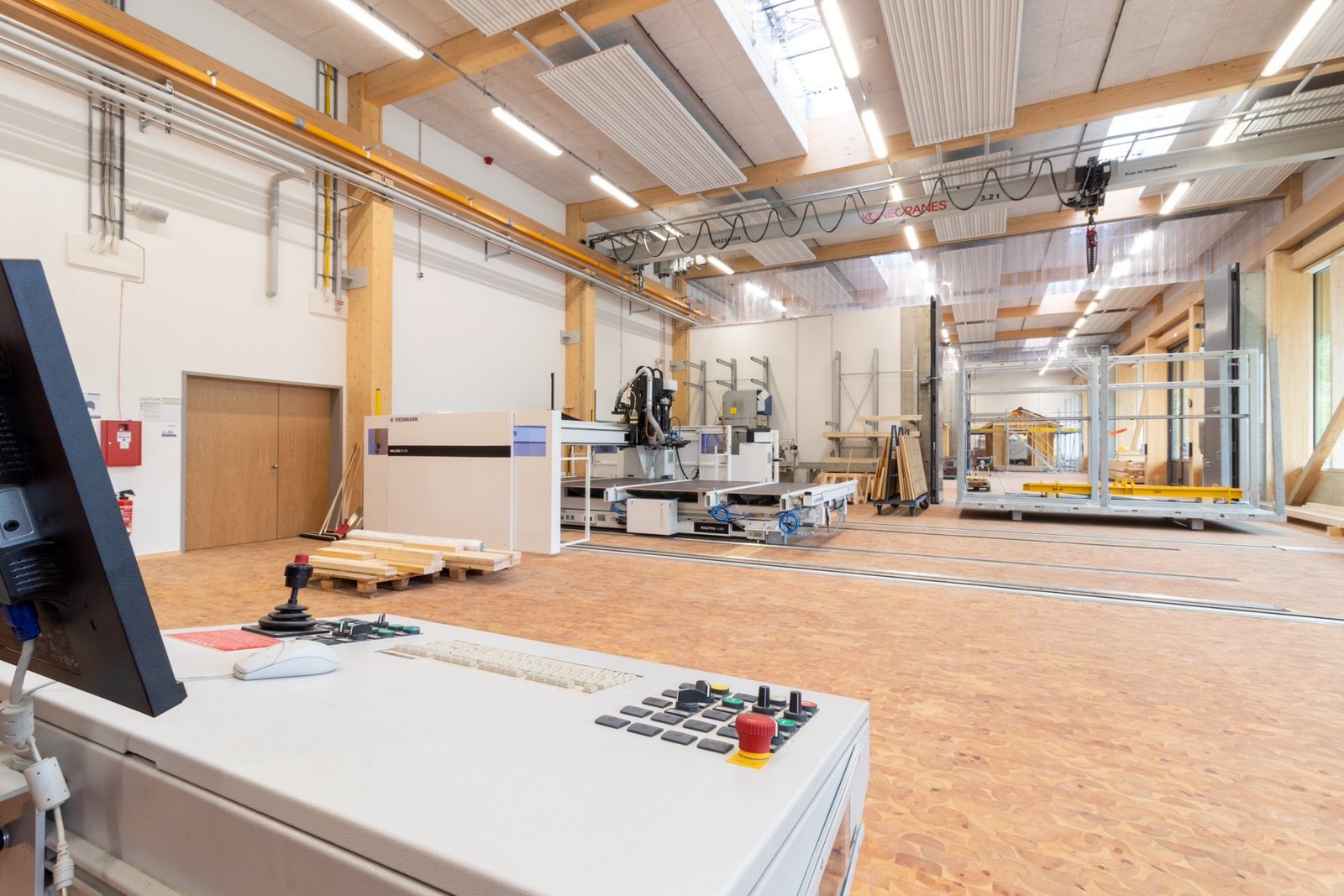
- Operating machinery such as saws, sanders, and CNC machines
Work Environment
Tischlers mostly work indoors — in workshops, furniture factories, or on installation sites. Their job demands creativity, precision, and attention to design aesthetics.
3. Who is a Schreiner?
Meaning and Role
The word “Schreiner” has the same meaning as Tischler — both refer to woodworkers who make furniture and interior fittings. The key difference is regional.
- In Northern and Eastern Germany, the word Tischler is used.
- In Southern Germany, especially Bavaria and Baden-Württemberg, the same profession is called Schreiner.
So, in practice, a Schreiner and a Tischler are the same profession. The difference lies only in regional terminology and dialect.
For example:
- In Berlin, you’d hire a Tischler to make a wooden wardrobe.
- In Munich, you’d call a Schreiner for the exact same job.
Main Responsibilities
Since both professions are essentially the same, the responsibilities of a Schreiner are similar to those of a Tischler:
- Creating and assembling furniture
- Designing interiors for homes and offices
- Working on wood finishes, surface coatings, and polishing
- Collaborating with architects and interior designers
- Using both traditional tools and modern computer-controlled machines
Work Environment
Schreiners also work primarily indoors — in workshops, furniture production units, or customer homes. They focus on interior design solutions, carpentry precision, and surface finishing.
4. Who is a Zimmermann?
Meaning and Role
The term “Zimmermann” refers to a carpenter or construction woodworker — a professional who works on wooden structures, frameworks, and buildings rather than furniture.
Zimmerleute (plural) are the ones who construct timber roofs, wooden houses, and large frameworks. Their work involves heavy timber, architectural plans, and construction site work rather than delicate furniture craftsmanship.
Main Responsibilities
- Constructing wooden roofs, frameworks, and timber houses
- Installing beams, rafters, and support structures
- Renovating old wooden buildings
- Reading and following architectural plans
- Using heavy tools like saws, drills, and cranes
- Ensuring structural stability and compliance with building standards
Work Environment
Zimmermänner work outdoors — on construction sites, rooftops, or building frameworks. Their job is physically demanding and requires safety equipment, teamwork, and technical knowledge of construction principles.
5. Key Differences Between Tischler, Schreiner, and Zimmermann
Here’s a clear breakdown of how these three professions differ:
| Aspect | Tischler | Schreiner | Zimmermann |
|---|---|---|---|
| Meaning | Cabinetmaker / Joiner | Cabinetmaker / Joiner (Southern term) | Carpenter / Structural woodworker |
| Work Type | Furniture, interiors, doors, windows | Same as Tischler | Roofs, frameworks, timber buildings |
| Workplace | Workshops and indoor sites | Workshops and indoor sites | Outdoor construction sites |
| Region | Northern & Eastern Germany | Southern Germany | All over Germany |
| Focus Area | Design, fine woodworking | Design, fine woodworking | Construction, structural stability |
| Training Duration | 3 years (Ausbildung) | 3 years (Ausbildung) | 3 years (Ausbildung) |
| Typical Employer | Furniture factories, interior designers | Furniture factories, interior designers | Construction companies |
| Tools Used | Saws, chisels, sanders, CNC machines | Saws, chisels, sanders, CNC machines | Chainsaws, drills, cranes, sawmills |
| Working Conditions | Indoors, detail-oriented | Indoors, detail-oriented | Outdoors, physically demanding |
6. Ausbildung (Vocational Training) for Each Profession
In Germany, all three professions — Tischler, Schreiner, and Zimmermann — require completing an Ausbildung, which is a structured vocational training program combining practical work and classroom education.
Tischler / Schreiner Ausbildung
Duration: 3 years
Structure: Dual system — part-time in a trade school (Berufsschule), part-time at a company (Ausbildungsbetrieb).
Subjects Covered:
- Wood types and their properties
- Design and measurement techniques
- Machine handling (saws, drills, CNC)
- Surface finishing and polishing
- Furniture design and interior planning
- Reading blueprints and technical drawings
Career Progression:
- After Ausbildung: You become a Geselle (journeyman).
- After a few years: You can become a Meister (master craftsman), allowing you to open your own workshop or train apprentices.
Zimmermann Ausbildung
Duration: 3 years
Structure: Also dual system — practical work + vocational school.
Subjects Covered:
- Structural engineering basics
- Timber construction techniques
- Roof design and frameworks
- Building regulations and safety standards
- Teamwork and site coordination
Career Progression:
- After Ausbildung: Zimmerergeselle (journeyman carpenter).
- With experience: Zimmerermeister (master carpenter) or Technician for Timber Construction.
7. Tools and Techniques Used
Tools of a Tischler / Schreiner
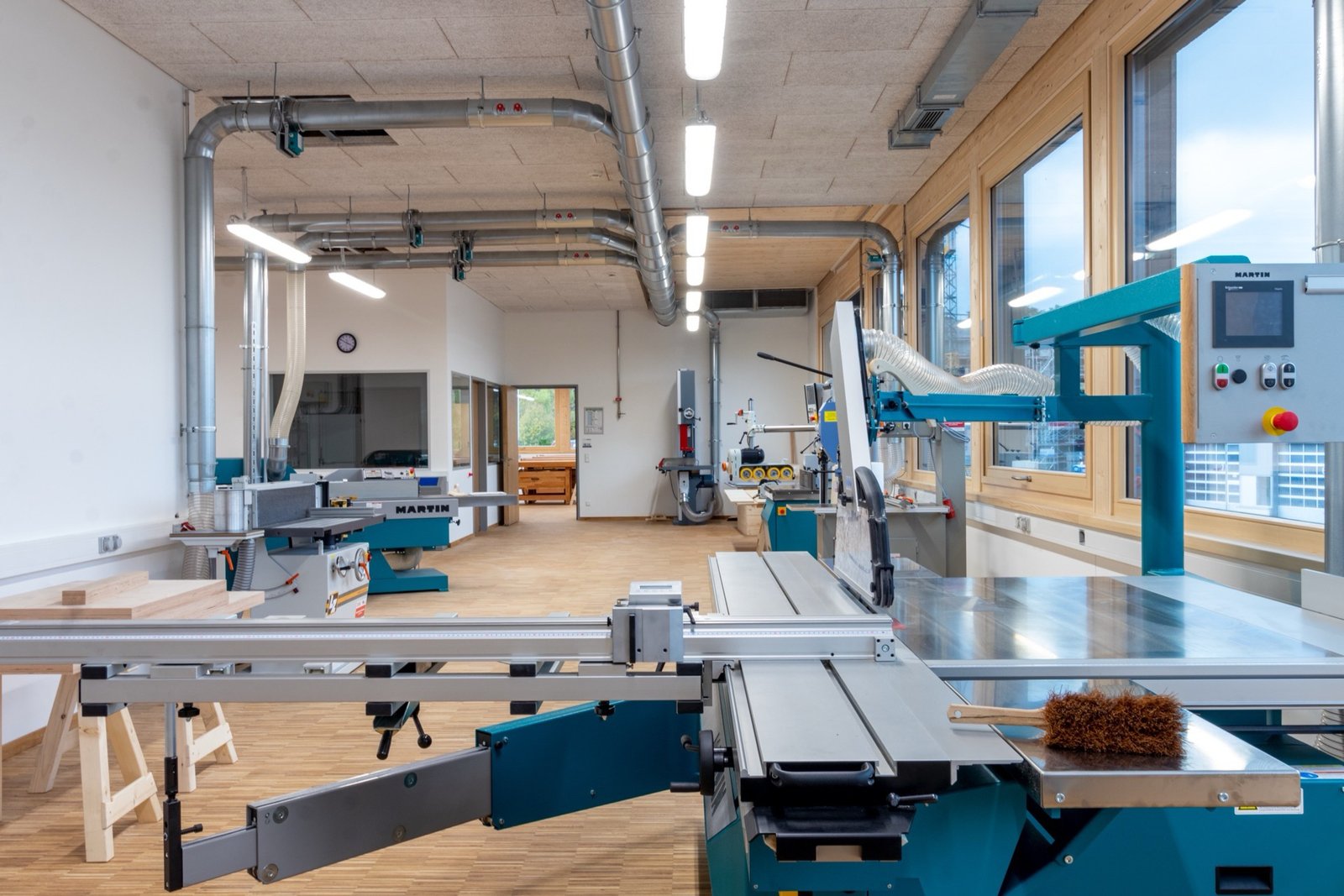
- Circular saws, jigsaws, and drills
- Hand planes and chisels
- Sanding machines and varnish sprayers
- CNC machines for automated cutting
- Measuring tapes, calipers, and drawing tools
They often work with a combination of traditional tools for hand craftsmanship and modern technology for mass production and precision design.
Tools of a Zimmermann
- Chainsaws and framing hammers
- Large saw benches
- Measuring levels and plumb lines
- Drills, nails, and bolts for framework assembly
- Safety harnesses and scaffolding tools
Zimmermänner must also have strong spatial imagination and technical drawing skills to interpret architectural plans.
8. Working Conditions and Lifestyle
Tischler and Schreiner
- Mostly work in clean, controlled environments
- Regular working hours (Monday to Friday)
- Focus on precision, creativity, and detail
- Collaboration with designers and clients
Zimmermann
- Work outdoors, often in challenging weather
- Physically demanding tasks (lifting beams, climbing roofs)
- Strong teamwork required on construction sites
- Sometimes travel for projects around the region
9. Salary Comparison in Germany
Salary depends on experience, company size, and region. Here’s an approximate overview:
| Profession | During Ausbildung (per month) | After Ausbildung (per month) | Experienced Worker (per month) |
|---|---|---|---|
| Tischler / Schreiner | €800 – €1,100 | €2,300 – €2,800 | €3,000 – €3,800 |
| Zimmermann | €850 – €1,200 | €2,500 – €3,000 | €3,200 – €4,200 |
Master craftsmen (Meister) or self-employed professionals can earn significantly more, especially if they manage a team or handle custom projects.
10. Regional Differences in Terminology
Germany’s regional diversity extends to language and trade terms. The Tischler–Schreiner distinction reflects this cultural variation.
- Northern & Eastern States (e.g., Berlin, Hamburg, Saxony): “Tischler”
- Southern States (e.g., Bavaria, Baden-Württemberg): “Schreiner”
Despite the difference in terms, the vocational curriculum, certification, and job title recognition are identical across Germany.
Zimmermann, however, remains a universal term for structural carpenters across all regions.
11. Career Opportunities and Future Scope
Tischler / Schreiner Career Options
- Furniture design and production companies
- Interior design studios
- Kitchen and home renovation firms
- Exhibition and trade show construction
- Yacht and vehicle interior construction
- Self-employment (own workshop or studio)
Zimmermann Career Options
- Construction and roofing companies
- Timber house manufacturers
- Restoration of historical wooden structures
- Bridge and framework construction
- Project management and site supervision
As sustainable construction grows in importance, both Tischler and Zimmermann professions are gaining relevance. Modern eco-friendly architecture often integrates wood as a renewable material, ensuring continued demand.
12. Skills Required
For Tischler / Schreiner:
- Precision and attention to detail
- Good spatial and aesthetic sense
- Creativity and technical drawing skills
- Knowledge of materials and surface finishes
- Customer communication skills
For Zimmermann:
- Physical strength and stamina
- Technical understanding of structural design
- Team coordination and safety awareness
- Mathematical and spatial reasoning
- Ability to work outdoors in varied conditions
13. Advantages and Challenges
Advantages
- High demand for skilled trades in Germany
- Secure and respected professions
- Opportunities for self-employment
- Blend of creativity and practical work
- Stable career path with advancement opportunities
Challenges
- Physically demanding (especially for Zimmermann)
- Exposure to dust, noise, and weather conditions
- Need for continuous skill upgrades as technology evolves
14. How to Become a Tischler, Schreiner, or Zimmermann
Step 1: Find a Training Company
You need to apply to a certified company that offers an Ausbildungsplatz (training position).
Step 2: Sign a Training Contract
Once accepted, you sign a contract specifying duration, salary, and responsibilities.
Step 3: Attend Vocational School
You’ll attend a Berufsschule (vocational school) for theoretical classes while gaining hands-on experience at your company.
Step 4: Take the Final Exam
At the end of your training, you must pass a final examination (Gesellenprüfung). Successful completion makes you a certified craftsman.
Step 5: Advance Your Career
After gaining work experience, you can pursue a Meister qualification or start your own business.
15. Modern Trends in German Woodworking
German woodworking is evolving rapidly with digitalization and sustainability in mind.
Key Trends:
- CNC and CAD Integration: Digital tools are widely used in furniture design and cutting.
- Sustainable Materials: Eco-friendly woods and biodegradable finishes are gaining popularity.
- Modular Furniture Design: Customizable and space-saving designs are in high demand.
- Green Construction: Zimmermänner are leading the shift toward wooden houses and passive energy homes.
These trends ensure that woodworking remains a future-oriented profession in Germany.
16. Work-Life Balance and Social Aspects
Woodworking professionals enjoy a healthy balance between creativity and practicality.
- Tischlers/Schreiners often work fixed hours with weekends off.
- Zimmermänner may have more variable schedules depending on weather and project deadlines.
Many tradespeople also join guilds or associations (Handwerkskammer) that provide networking, legal support, and continuing education.
17. Job Satisfaction and Career Outlook
Woodworkers often report high job satisfaction, as their work directly results in visible, tangible products. Whether it’s a handcrafted wardrobe or a completed timber house, the pride in craftsmanship is immense.
With Germany facing a shortage of skilled workers, Tischler, Schreiner, and Zimmermann trades have excellent job prospects, stable income potential, and opportunities to start independent businesses.
18. Conclusion
While Tischler, Schreiner, and Zimmermann all work with wood, their professions differ in focus, environment, and skillset:
- Tischler / Schreiner: Specialists in furniture making and interior design, working mostly indoors with precision and creativity.
- Zimmermann: Experts in structural carpentry, building frameworks, roofs, and wooden houses, working primarily outdoors.
Understanding these distinctions helps students choose the right Ausbildung path and gives employers clarity in hiring the right professionals for specific projects.
Germany’s woodworking industry continues to thrive — blending tradition with innovation, and craftsmanship with technology. Whether you become a Tischler designing elegant interiors, a Schreiner crafting fine furniture, or a Zimmermann building sustainable wooden homes, each path promises a rewarding and respected career in the heart of German craftsmanship.