
Germany has long been a top destination for skilled professionals, students, and apprentices who want to build a stable and prosperous career. Among the various technical professions available through vocational training, plumbing is one of the most respected and in-demand trades in the country. Plumbing apprenticeships (known as “Ausbildung zum Anlagenmechaniker für Sanitär-, Heizungs- und Klimatechnik” in German) offer not only practical experience but also stable income, valuable skills, and strong career prospects.
In this detailed article, we’ll explore how much a plumbing apprentice can earn per month in Germany, what factors influence their salary, how it changes by region and experience, and what long-term opportunities are available in this growing field.
Understanding the Plumbing Apprenticeship in Germany
Before diving into salaries, it’s important to understand how the plumbing apprenticeship (Ausbildung) system works in Germany. The German dual education system combines classroom learning at a vocational school (Berufsschule) with hands-on training in a company or workshop.
This means that plumbing apprentices split their time between theory and practice — learning essential concepts in heating, sanitation, and water systems at school, while applying those skills under the supervision of experienced professionals at their workplace.
Duration and Structure of the Apprenticeship
The plumbing apprenticeship typically lasts 3.5 years (42 months). During this time, apprentices gain in-depth knowledge about:
- Installing and maintaining water and gas supply systems
- Repairing and upgrading heating systems
- Fitting bathroom and sanitary installations
- Understanding technical drawings and blueprints
- Working with sustainable energy technologies (e.g., solar thermal systems)
- Ensuring safety and environmental standards
Throughout the training, apprentices receive a monthly stipend, which increases each year as their skills and experience grow.

Average Monthly Salary for Plumbing Apprentices in Germany
The monthly salary for plumbing apprentices (Auszubildende) varies depending on several factors, including the region, employer, and year of training. However, Germany maintains regulated minimum apprenticeship wages to ensure fair compensation.
Here’s a general breakdown of the average salary per month for plumbing apprentices:
| Training Year | Average Monthly Salary (€) |
|---|---|
| 1st Year | €800 – €1,050 |
| 2nd Year | €900 – €1,150 |
| 3rd Year | €1,000 – €1,250 |
| 4th Year | €1,100 – €1,400 |
So, on average, a plumbing apprentice in Germany earns between €800 and €1,400 per month, depending on their stage in the program.
Salary Differences by Region
Germany’s economy varies significantly between regions, and so do apprenticeship salaries. Apprentices in western and southern Germany — especially in economically strong states like Bavaria (Bayern), Baden-Württemberg, and Hesse (Hessen) — generally earn higher wages compared to those in eastern states such as Saxony or Brandenburg.
Here’s a rough regional comparison:
| Region | Average Monthly Pay (1st Year) | Average Monthly Pay (3rd–4th Year) |
|---|---|---|
| Bavaria (Bayern) | €950 – €1,050 | €1,250 – €1,400 |
| Baden-Württemberg | €900 – €1,000 | €1,200 – €1,350 |
| North Rhine-Westphalia | €850 – €950 | €1,100 – €1,300 |
| Berlin & Brandenburg | €800 – €900 | €1,000 – €1,150 |
| Saxony & Thuringia | €750 – €850 | €950 – €1,100 |
These differences reflect not only the cost of living in each area but also regional demand for skilled workers.
Additional Financial Benefits for Apprentices
While the apprenticeship salary might seem modest at first glance, apprentices often receive additional benefits that improve their financial situation:
- Housing or Travel Allowance:
Some employers or training organizations offer support for accommodation or transportation costs, especially if the apprentice lives far from the training site. - Tool or Equipment Allowances:
Plumbing apprentices may get financial support to buy tools or work clothing. - Holiday and Christmas Bonuses:
Many companies in Germany give special bonuses during holidays (Weihnachtsgeld) and vacations (Urlaubsgeld). - Health Insurance and Social Benefits:
Apprentices are fully covered under Germany’s strong social system, which includes health insurance, pension contributions, and unemployment protection. - Tax-Free Apprenticeship Earnings (to a limit):
Since apprentices earn below the taxable income threshold, most do not pay income tax during training.
Living Expenses for Apprentices in Germany
To understand the true value of a plumbing apprenticeship salary, it’s important to consider the cost of living in Germany. On average, an apprentice spends between €700 and €1,000 per month on living expenses. This includes:
| Expense Category | Average Monthly Cost (€) |
|---|---|
| Rent (shared accommodation) | €300 – €500 |
| Food and groceries | €200 – €300 |
| Transportation | €50 – €100 |
| Health insurance | Usually covered |
| Mobile & internet | €30 – €50 |
| Miscellaneous | €100 – €150 |
This means apprentices can often manage their expenses comfortably, especially when they live in smaller cities or receive housing support.
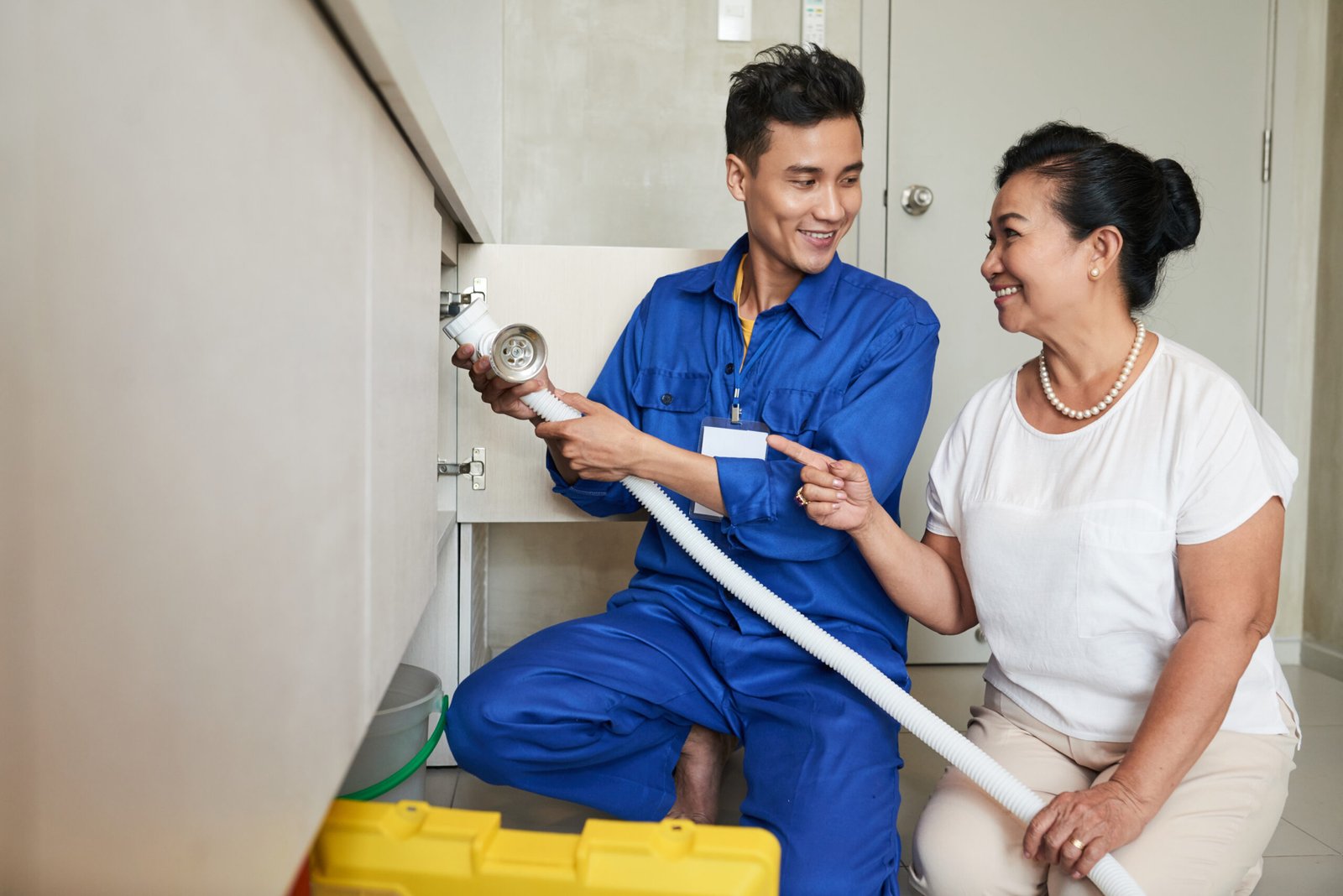
Career Growth After Completing the Apprenticeship
After completing the plumbing apprenticeship, graduates become qualified plumbers (Gesellen) and can expect a significant salary increase.
The average starting salary for a fully trained plumber in Germany ranges between €2,500 and €3,200 per month (gross). With experience, specialization, or additional certifications, this can rise even further.
Career Progression Options:
- Skilled Worker (Journeyman):
Directly after completing the apprenticeship, the individual can work independently or under supervision in various plumbing projects. - Master Plumber (Meister):
After gaining experience, one can pursue a Master’s certificate (Meisterbrief) — a prestigious qualification that allows opening one’s own plumbing business or training apprentices. - Technician or Engineer:
Some graduates continue education in technical schools or universities of applied sciences, specializing in building services engineering or energy systems. - Supervisor or Project Manager:
With experience and leadership skills, plumbers can move into management roles within construction or maintenance companies. - Self-Employment:
Many experienced plumbers in Germany start their own businesses, serving residential, commercial, and industrial clients — often earning upwards of €4,000–€6,000 per month or more.
Demand for Plumbing Professionals in Germany
The plumbing sector in Germany is currently facing a shortage of skilled workers. With the country’s strong focus on sustainable energy, eco-friendly heating systems, and modernization of infrastructure, demand for qualified plumbers continues to grow rapidly.
Several factors contribute to this increasing demand:
- Replacement of old heating systems with energy-efficient ones
- Installation of renewable technologies such as solar water heaters
- Growth in construction and renovation projects
- Retirement of older skilled workers
- Expansion of public infrastructure
As a result, plumbing apprentices have excellent job security and employment prospects after completing their training.
Working Conditions for Plumbing Apprentices
Plumbing apprentices in Germany work in various environments — residential buildings, construction sites, industrial facilities, and sometimes outdoors. The work can be physically demanding but rewarding, involving both technical knowledge and practical problem-solving.
Typical Work Hours:
- 35–40 hours per week
- Regular shifts during the day
- Occasional overtime depending on projects
Skills Developed During the Apprenticeship:
- Mechanical and technical aptitude
- Problem-solving and troubleshooting
- Knowledge of safety and building regulations
- Customer communication and teamwork
- Understanding modern heating and sanitation technologies
These skills not only prepare apprentices for work in Germany but also make them employable across Europe and beyond.
Comparison With Other Skilled Trades
It’s also useful to compare the plumbing apprenticeship with other similar technical apprenticeships in Germany. This gives a broader picture of where plumbing stands financially and professionally.
| Occupation | Average Monthly Salary (Apprenticeship) | Average Salary After Training |
|---|---|---|
| Electrician | €900 – €1,300 | €2,800 – €3,500 |
| Plumber | €800 – €1,400 | €2,500 – €3,200 |
| Carpenter | €750 – €1,200 | €2,400 – €3,000 |
| HVAC Technician | €900 – €1,400 | €2,800 – €3,500 |
| Automotive Mechanic | €850 – €1,350 | €2,500 – €3,200 |
From this, it’s clear that plumbing offers competitive pay both during and after apprenticeship, especially considering the long-term career potential and steady job demand.
Importance of Language and Integration
While many international students and apprentices come to Germany for vocational training, knowledge of the German language is essential. Most apprenticeships are conducted in German (B1–B2 level required), and understanding technical vocabulary is crucial for safety and communication at the workplace.
Moreover, learning the language also helps apprentices integrate socially and advance professionally faster.
International Applicants and Opportunities
Germany encourages international applicants to apply for vocational training programs, including plumbing. Many organizations and agencies assist foreign candidates in finding placements, obtaining visas, and adjusting to life in Germany.
Requirements for international applicants usually include:
- Completed secondary education (10th or 12th grade)
- German language proficiency (minimum B1 level)
- Valid passport and training contract
- Motivation and willingness to learn practical skills
Once accepted, international apprentices enjoy the same rights, salaries, and social benefits as German citizens.
Challenges Faced by Plumbing Apprentices
While the apprenticeship offers excellent opportunities, it’s not without challenges:
- Physically demanding work:
Apprentices often need to work in tight spaces, handle tools, and perform installations that require stamina and attention to detail. - Weather conditions:
Outdoor work can be challenging during winter or rainy months. - Language barrier:
For international students, understanding German technical terms can take time. - Adapting to the dual education system:
Balancing school and work can be demanding initially, but most apprentices adapt quickly.
Despite these challenges, the hands-on experience and financial independence make it a rewarding journey.
Advantages of Becoming a Plumbing Apprentice in Germany
There are numerous benefits to choosing a plumbing apprenticeship in Germany:
- Earn while you learn: Get paid from day one while gaining professional skills.
- Free education: Vocational schools are tuition-free.
- Recognized qualification: The German apprenticeship certificate is valued globally.
- Strong job market: High demand for skilled workers.
- Path to permanent residency: After completing the program and working, apprentices can qualify for long-term residence.
- Opportunities for advancement: From journeyman to master craftsman, technician, or entrepreneur.
These factors make plumbing apprenticeships one of the best entry points for stable technical careers in Germany.
A Typical Day in the Life of a Plumbing Apprentice
To understand the experience better, let’s look at what a typical day might look like for a plumbing apprentice:
- 7:00 AM: Arrive at the worksite or company workshop, review the day’s tasks.
- 8:00 AM – 12:00 PM: Assist with installations — for example, fitting pipes, installing heating systems, or maintaining plumbing fixtures.
- 12:00 PM – 12:30 PM: Lunch break.
- 12:30 PM – 4:00 PM: Continue hands-on work under supervision.
- 4:00 PM – 5:00 PM: Clean up, check tools, and prepare for the next day.
On school days, apprentices attend vocational classes where they study mathematics, physics, technical drawing, and plumbing systems design.
Future Trends in the Plumbing Industry
As Germany moves toward carbon neutrality and energy efficiency, the plumbing sector is evolving rapidly. Apprentices today learn not only traditional techniques but also modern technologies such as:
- Smart home water systems
- Solar water heating systems
- Eco-friendly plumbing materials
- Greywater recycling
- Digital diagnostic tools
These innovations make the plumbing profession even more exciting and future-oriented.
Conclusion
So, how much can a plumbing apprentice earn per month in Germany?
On average, between €800 and €1,400 per month, depending on the year of training, employer, and region. While this income may seem modest, it comes with valuable benefits — free education, job security, and excellent long-term earning potential.
Upon completing the apprenticeship, plumbers can expect to earn €2,500 to €3,200 monthly, with opportunities for further growth, specialization, or self-employment.
Germany’s well-structured vocational system, strong economy, and growing demand for skilled workers make plumbing apprenticeships a stable, respected, and financially rewarding career path. Whether you’re a German resident or an international applicant, choosing this profession can open doors to a secure and fulfilling future.