
How Much Do Mechanics Earn During Ausbildung in Germany?
Mechanic Ausbildung salary in Germany
Germany’s world-class vocational education system, known as the “Ausbildung”, attracts thousands of students every year — both local and international. The system is famous for its dual approach, which combines classroom-based education with practical, hands-on training. Among the most popular and respected professions in the technical field is the Mechanic Ausbildung.
Mechanics form the backbone of Germany’s automotive and industrial sectors. Whether it’s maintaining vehicles, repairing machinery, or assembling components for complex industrial systems, mechanics are essential for keeping the country’s infrastructure running smoothly.
One of the most common questions asked by aspiring trainees is:
“How much do mechanics earn during their Ausbildung in Germany?”
In this comprehensive guide, we will explore in depth how much a mechanic trainee earns, how the salary changes during training, the factors that affect stipend variations, and the financial benefits of choosing this profession. We will also discuss life as a trainee mechanic, living expenses, career growth, and post-Ausbildung salaries.
This detailed breakdown will help you understand not only the financial side of the training but also the lifestyle and career security that come with it.

Overview of Mechanic Ausbildung in Germany
Before we dive into numbers, it’s important to understand what exactly the Mechanic Ausbildung entails.
What Is Mechanic Ausbildung?
The Mechanic Ausbildung is a dual vocational training program where you spend part of your time working in a company (gaining practical experience) and the other part attending a vocational school (Berufsschule) to learn theoretical concepts.
This combination allows you to develop both technical skills and academic understanding, preparing you for a successful career in Germany’s industrial or automotive sectors.
Duration
The Ausbildung typically lasts three to three and a half years, depending on the specialization and the trainee’s performance. In some cases, if you have prior experience or exceptional academic results, you may complete it in a shorter period, such as 2.5 years.
Common Mechanic Specializations
There are several mechanic-related Ausbildung programs in Germany. Some of the most common ones include:
- Automotive Mechanic (Kfz-Mechatroniker) – Focused on vehicle repair, maintenance, and diagnostics.
- Industrial Mechanic (Industriemechaniker) – Involves maintaining and repairing machines in factories or industrial settings.
- Aircraft Mechanic (Fluggerätmechaniker) – Specializes in aircraft systems, requiring high precision.
- Agricultural and Construction Equipment Mechanic (Land- und Baumaschinenmechatroniker) – Deals with heavy-duty machinery.
- Precision Mechanic (Feinmechaniker) – Works on delicate mechanical instruments and devices.
Each specialization offers a slightly different stipend depending on the complexity of work and the company.
Monthly Stipend for Mechanic Ausbildung Trainees
Now, let’s address the main question: How much does a mechanic trainee earn during Ausbildung in Germany?
While the exact amount depends on the company, region, and industry, we can look at general averages for 2025.
Average Monthly Stipend Breakdown (2025 Estimates)
| Year of Training | Average Monthly Stipend (€) |
|---|---|
| 1st Year | €850 – €1,000 |
| 2nd Year | €950 – €1,100 |
| 3rd Year | €1,050 – €1,250 |
These figures represent the gross stipend (before tax and social insurance deductions). Depending on your tax class and health insurance, the net income will be slightly lower but still sufficient for living expenses.
Variation Based on Mechanic Type
The type of mechanic training you pursue has a major influence on how much you earn. Let’s explore the stipend differences among popular mechanic specializations.
| Mechanic Specialization | 1st Year (€) | 2nd Year (€) | 3rd Year (€) |
|---|---|---|---|
| Automotive Mechanic | 850 – 1,000 | 950 – 1,100 | 1,100 – 1,250 |
| Industrial Mechanic | 900 – 1,050 | 1,050 – 1,200 | 1,200 – 1,350 |
| Aircraft Mechanic | 1,000 – 1,150 | 1,150 – 1,300 | 1,300 – 1,500 |
| Agricultural Equipment Mechanic | 880 – 1,000 | 1,000 – 1,150 | 1,150 – 1,300 |
| Precision Mechanic | 850 – 950 | 950 – 1,100 | 1,100 – 1,250 |
Aircraft and industrial mechanics tend to receive slightly higher stipends due to the technical nature and safety standards required for their work.
Factors Influencing the Stipend
There are several key factors that determine the exact stipend amount you receive during your Ausbildung.
1. The Region (Federal State)
Germany’s wage structure varies depending on where you live and train.
- Higher stipends: Bavaria, Baden-Württemberg, and Hesse.
- Moderate stipends: North Rhine-Westphalia, Berlin, Hamburg.
- Lower stipends: Saxony, Brandenburg, and Thuringia.
This difference is mainly due to variations in living costs and regional economic conditions.
2. Type of Company
Larger and more established companies usually pay higher stipends than smaller workshops. International corporations often follow collective bargaining agreements that guarantee fair pay for all apprentices.
3. Industry Collective Agreements
Many industries in Germany are governed by Tarifverträge (collective wage agreements). These agreements regulate how much trainees earn based on their year of training.
4. Personal Performance
Outstanding performance, reliability, and excellent results in vocational school can sometimes lead to bonuses or incentives during your training period.
Additional Benefits During Ausbildung
Beyond the monthly stipend, trainees enjoy several other benefits that make the Ausbildung even more financially rewarding.
1. Paid Annual Leave
Trainees usually receive 24 to 30 days of paid vacation each year. This ensures you can rest and maintain a healthy work-life balance.
2. Free Work Uniform and Tools
Most employers provide uniforms, safety shoes, and the necessary tools to perform your job without extra costs.
3. Health and Social Insurance
During your Ausbildung, you’re covered by Germany’s comprehensive social insurance system, which includes:
- Health insurance
- Accident insurance
- Unemployment insurance
- Pension contributions
4. Travel Allowance
If your workplace or vocational school is far from your residence, some companies reimburse commuting costs or offer free transport passes.
5. Housing Assistance
Certain companies — especially larger industrial firms — provide company accommodation or help trainees find affordable housing near the workplace.
Living Costs and Stipend Comparison
Now that we know the average stipend, let’s see how it compares to the cost of living in Germany.
| Expense Category | Average Monthly Cost (€) |
|---|---|
| Rent (shared flat) | 350 – 500 |
| Food & Groceries | 200 – 300 |
| Transportation | 50 – 80 |
| Health Insurance | 100 – 120 |
| Miscellaneous (leisure, phone, internet) | 100 – 150 |
| Total | 800 – 1,150 |
Even during the first year, your stipend will generally cover all basic living expenses, particularly if you live in smaller towns or share accommodation. As your stipend increases each year, you will have more flexibility to save or spend on personal needs.
Daily Life as a Mechanic Trainee
During your Ausbildung, you’ll experience a mix of practical work and classroom learning.
At the Workplace
You’ll work alongside experienced professionals, learning to:
- Diagnose and repair mechanical issues
- Maintain and service vehicles or machinery
- Use diagnostic tools and technical manuals
- Assemble or disassemble components
- Perform safety checks and quality control
At the Vocational School
You’ll learn theoretical concepts, including:
- Engineering basics
- Physics and mathematics
- Electronics and hydraulics
- Blueprint reading
- German technical terminology
This balance ensures that you develop both hands-on expertise and technical understanding, preparing you for long-term success.
Skills Gained During Mechanic Ausbildung
By the time you complete your Ausbildung, you’ll have developed a wide range of professional and personal skills:
- Technical Proficiency: Operating machinery and tools.
- Problem-Solving: Identifying mechanical issues efficiently.
- Precision and Safety Awareness: Ensuring accuracy in every task.
- Teamwork: Collaborating with other mechanics and engineers.
- Customer Communication: Explaining technical details clearly.
These skills not only help you during the training but also serve as a foundation for future career growth.
Job Prospects and Salary After Completing Ausbildung
Once you complete your Ausbildung, your earning potential increases significantly.
Starting Salary After Ausbildung
A newly qualified mechanic typically earns €2,500 to €3,200 per month (gross), depending on the specialization and company size.
With Experience
With a few years of experience, mechanics earn between €3,500 and €4,500 per month, especially in industrial or aircraft maintenance roles.
Advanced Positions
| Position | Average Monthly Salary (€) |
|---|---|
| Skilled Mechanic | 3,200 – 4,000 |
| Senior Technician | 4,500 – 5,200 |
| Workshop Supervisor | 5,000 – 5,800 |
| Technical Instructor | 4,800 – 6,000 |
| Self-employed Mechanic | 6,000+ (varies) |
The more specialized your field, the higher your income potential.
Career Growth Opportunities
Germany’s vocational system provides plenty of room for career advancement. After completing your Ausbildung, you can continue your education through several pathways:
- Meister Qualification (Master Craftsman): This title allows you to lead teams, open your own workshop, or train apprentices.
- Technician (Techniker): A step into more technical and planning-oriented roles.
- Engineer (Ingenieur): With additional studies, you can transition into mechanical or automotive engineering.
- Specialization Courses: Focus on fields like electronics, automation, or diagnostics.
This flexibility ensures that your career as a mechanic can continue to grow both technically and financially.
Job Security and Industry Demand
Germany is known for its engineering excellence, and mechanics are at the heart of this reputation. The demand for skilled mechanics remains consistently high due to:
- The size of Germany’s automotive industry
- Continuous modernization of industrial machinery
- Expansion of renewable energy technologies requiring mechanical maintenance
- Retirement of the older workforce, creating vacancies
For trainees, this means that job security is extremely high, and most graduates receive full-time job offers immediately after finishing their Ausbildung.
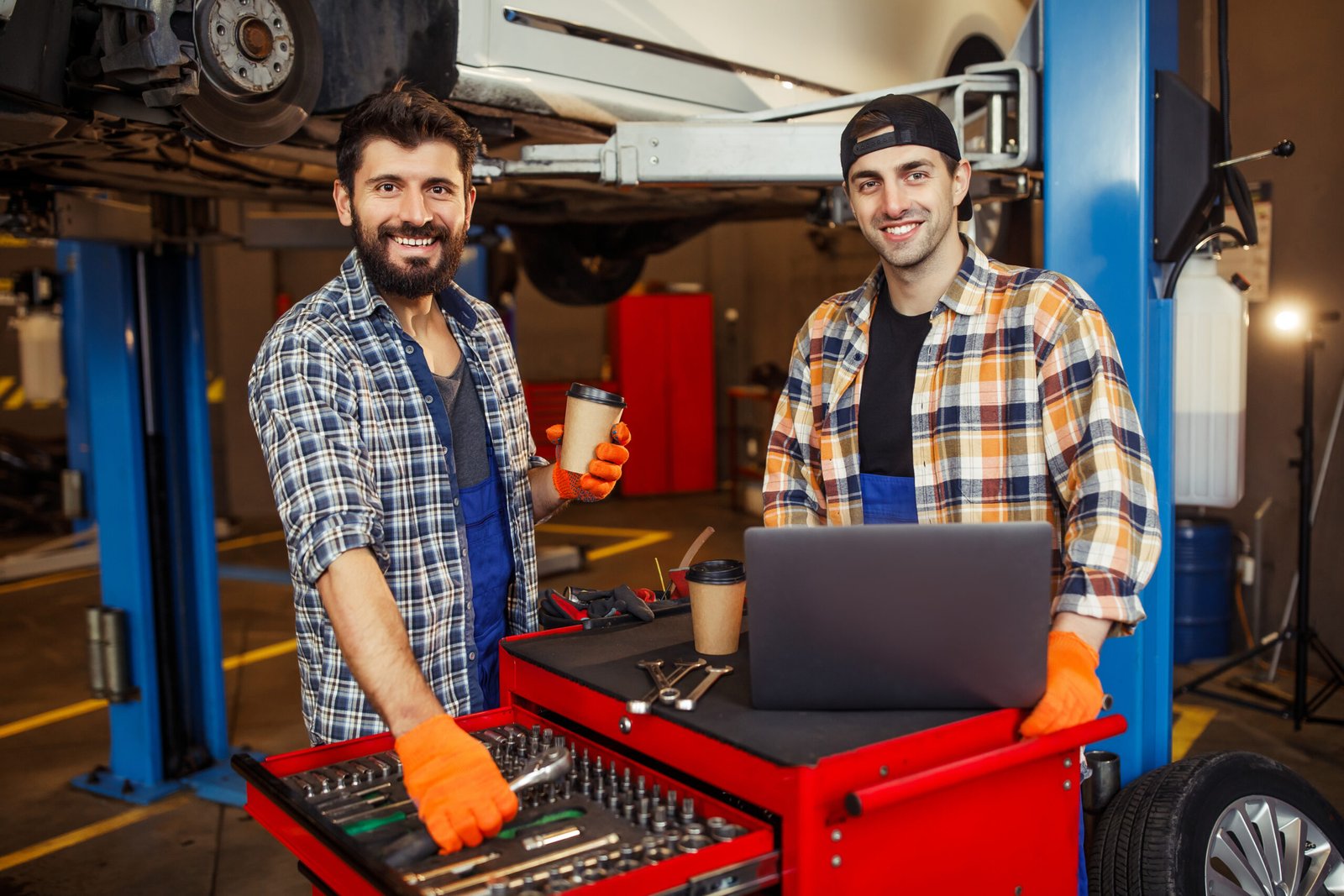
Work Environment and Conditions
Mechanic trainees typically work 38 to 40 hours per week, depending on the company’s schedule. While the work can be physically demanding, it is also highly satisfying, especially for those who enjoy practical problem-solving and technical challenges.
You may work:
- In workshops or factories
- In the automotive service sector
- On-site for industrial companies
- Occasionally outdoors (depending on the specialization)
Safety training is a crucial part of the Ausbildung, ensuring that all tasks are performed according to strict German safety standards.
Challenges During Mechanic Ausbildung
Like every profession, the Mechanic Ausbildung comes with its challenges:
- Physical Demands: The work can involve lifting heavy parts and standing for long hours.
- Precision Requirements: Even small mistakes can cause mechanical faults.
- Time Management: Balancing vocational school and practical work.
- Weather Conditions: For some roles, outdoor work can be tough in winter.
However, with motivation and discipline, most trainees quickly adapt and find the work rewarding.
Financial Management Tips During Ausbildung
Although the stipend is sufficient, managing your money smartly can make your training period smoother and more enjoyable.
- Plan a Monthly Budget: Track all expenses.
- Cook at Home: Avoid eating out too often.
- Use Student Discounts: Public transport and cultural events often offer reduced prices.
- Share Accommodation: Reduces rent costs.
- Save Regularly: Even €50 a month can help you build a small emergency fund.
These habits will also prepare you for financial independence after training.
Why Choose Mechanic Ausbildung in Germany
There are several reasons why choosing this Ausbildung can be a great decision:
- Strong Industry Demand: Mechanics are always in need.
- Good Stipend: Even during training, the stipend is enough to live independently.
- Career Stability: Almost guaranteed employment after graduation.
- Hands-On Work: Ideal for people who enjoy practical, technical tasks.
- Future Growth: Opportunities to move into management, engineering, or entrepreneurship.
Conclusion
The Mechanic Ausbildung in Germany is one of the most practical and rewarding vocational paths available. With monthly stipends ranging from €850 to €1,250, trainees can live comfortably while gaining world-class technical training.
The skills you learn during this program open doors to countless opportunities — whether in automotive repair, industrial machinery, or advanced manufacturing.
After completing your Ausbildung, you can expect a stable career, strong income, and long-term growth prospects. Germany’s emphasis on technical excellence ensures that mechanics remain among the most respected and in-demand professionals in the country.
If you are passionate about machines, problem-solving, and hands-on work, a Mechanic Ausbildung can be the perfect start to a secure and successful career.
For official details about vocational training regulations and wages, you can visit the Federal Employment Agency’s Ausbildung Portal or the Make It In Germany website.
Living Costs and Stipend Comparison
Now that we know the average stipend, let’s see how it compares to the cost of living in Germany.
| Expense Category | Average Monthly Cost (€) |
|---|---|
| Rent (shared flat) | 350 – 500 |
| Food & Groceries | 200 – 300 |
| Transportation | 50 – 80 |
| Health Insurance | 100 – 120 |
| Miscellaneous (leisure, phone, internet) | 100 – 150 |
| Total | 800 – 1,150 |
Even during the first year, your stipend will generally cover all basic living expenses, particularly if you live in smaller towns or share accommodation. As your stipend increases each year, you will have more flexibility to save or spend on personal needs.
Daily Life as a Mechanic Trainee
During your Ausbildung, you’ll experience a mix of practical work and classroom learning.
At the Workplace
You’ll work alongside experienced professionals, learning to:
- Diagnose and repair mechanical issues
- Maintain and service vehicles or machinery
- Use diagnostic tools and technical manuals
- Assemble or disassemble components
- Perform safety checks and quality control
At the Vocational School
You’ll learn theoretical concepts, including:
- Engineering basics
- Physics and mathematics
- Electronics and hydraulics
- Blueprint reading
- German technical terminology
This balance ensures that you develop both hands-on expertise and technical understanding, preparing you for long-term success.
Skills Gained During Mechanic Ausbildung
By the time you complete your Ausbildung, you’ll have developed a wide range of professional and personal skills:
- Technical Proficiency: Operating machinery and tools.
- Problem-Solving: Identifying mechanical issues efficiently.
- Precision and Safety Awareness: Ensuring accuracy in every task.
- Teamwork: Collaborating with other mechanics and engineers.
- Customer Communication: Explaining technical details clearly.
These skills not only help you during the training but also serve as a foundation for future career growth.
Job Prospects and Salary After Completing Ausbildung
Once you complete your Ausbildung, your earning potential increases significantly.
Starting Salary After Ausbildung
A newly qualified mechanic typically earns €2,500 to €3,200 per month (gross), depending on the specialization and company size.
With Experience
With a few years of experience, mechanics earn between €3,500 and €4,500 per month, especially in industrial or aircraft maintenance roles.
Advanced Positions
| Position | Average Monthly Salary (€) |
|---|---|
| Skilled Mechanic | 3,200 – 4,000 |
| Senior Technician | 4,500 – 5,200 |
| Workshop Supervisor | 5,000 – 5,800 |
| Technical Instructor | 4,800 – 6,000 |
| Self-employed Mechanic | 6,000+ (varies) |
The more specialized your field, the higher your income potential.
Career Growth Opportunities
Germany’s vocational system provides plenty of room for career advancement. After completing your Ausbildung, you can continue your education through several pathways:
- Meister Qualification (Master Craftsman): This title allows you to lead teams, open your own workshop, or train apprentices.
- Technician (Techniker): A step into more technical and planning-oriented roles.
- Engineer (Ingenieur): With additional studies, you can transition into mechanical or automotive engineering.
- Specialization Courses: Focus on fields like electronics, automation, or diagnostics.
This flexibility ensures that your career as a mechanic can continue to grow both technically and financially.
Job Security and Industry Demand
Germany is known for its engineering excellence, and mechanics are at the heart of this reputation. The demand for skilled mechanics remains consistently high due to:
- The size of Germany’s automotive industry
- Continuous modernization of industrial machinery
- Expansion of renewable energy technologies requiring mechanical maintenance
- Retirement of the older workforce, creating vacancies
For trainees, this means that job security is extremely high, and most graduates receive full-time job offers immediately after finishing their Ausbildung.
Work Environment and Conditions
Mechanic trainees typically work 38 to 40 hours per week, depending on the company’s schedule. While the work can be physically demanding, it is also highly satisfying, especially for those who enjoy practical problem-solving and technical challenges.
You may work:
- In workshops or factories
- In the automotive service sector
- On-site for industrial companies
- Occasionally outdoors (depending on the specialization)
Safety training is a crucial part of the Ausbildung, ensuring that all tasks are performed according to strict German safety standards.
Challenges During Mechanic Ausbildung
Like every profession, the Mechanic Ausbildung comes with its challenges:
- Physical Demands: The work can involve lifting heavy parts and standing for long hours.
- Precision Requirements: Even small mistakes can cause mechanical faults.
- Time Management: Balancing vocational school and practical work.
- Weather Conditions: For some roles, outdoor work can be tough in winter.
However, with motivation and discipline, most trainees quickly adapt and find the work rewarding.
Financial Management Tips During Ausbildung
Although the stipend is sufficient, managing your money smartly can make your training period smoother and more enjoyable.
- Plan a Monthly Budget: Track all expenses.
- Cook at Home: Avoid eating out too often.
- Use Student Discounts: Public transport and cultural events often offer reduced prices.
- Share Accommodation: Reduces rent costs.
- Save Regularly: Even €50 a month can help you build a small emergency fund.
These habits will also prepare you for financial independence after training.
Why Choose Mechanic Ausbildung in Germany
There are several reasons why choosing this Ausbildung can be a great decision:
- Strong Industry Demand: Mechanics are always in need.
- Good Stipend: Even during training, the stipend is enough to live independently.
- Career Stability: Almost guaranteed employment after graduation.
- Hands-On Work: Ideal for people who enjoy practical, technical tasks.
- Future Growth: Opportunities to move into management, engineering, or entrepreneurship.
Conclusion
The Mechanic Ausbildung in Germany is one of the most practical and rewarding vocational paths available. With monthly stipends ranging from €850 to €1,250, trainees can live comfortably while gaining world-class technical training.
The skills you learn during this program open doors to countless opportunities — whether in automotive repair, industrial machinery, or advanced manufacturing.
After completing your Ausbildung, you can expect a stable career, strong income, and long-term growth prospects. Germany’s emphasis on technical excellence ensures that mechanics remain among the most respected and in-demand professionals in the country.
If you are passionate about machines, problem-solving, and hands-on work, a Mechanic Ausbildung can be the perfect start to a secure and successful career.