
Bricklayer Ausbildung in Germany is one of the most practical and rewarding vocational training programs for those who want to build a strong career in construction. This apprenticeship teaches you the essential skills required to work professionally as a bricklayer, including wall construction, masonry techniques, blueprint reading, and site safety. Through both classroom learning and hands-on experience, students learn to use modern building materials and tools effectively. The Bricklayer Ausbildung in Germany also emphasizes teamwork, precision, and quality craftsmanship — skills that are highly valued in the German construction industry. Upon completion, trainees are fully qualified to work in residential, commercial, and industrial projects, or even start their own building business.
In Germany, the construction industry is one of the most stable and respected sectors, offering countless opportunities for skilled professionals. Among these, bricklaying — or Maurerhandwerk as it is called in German — stands out as a crucial trade. Bricklayers form the backbone of the country’s infrastructure, shaping everything from modern housing developments to historical restorations.
For many aspiring tradespeople, the question often arises: Is there real job security for bricklayers in Germany after completing their Ausbildung (vocational training)? The answer is both practical and encouraging. Bricklaying is a skilled trade that Germany deeply values, and with the ongoing demand for new buildings, renovations, and sustainable construction, qualified bricklayers enjoy strong employment prospects and long-term career security.
This article explores in detail why bricklayers are in high demand, what job security looks like after completing Ausbildung, how the profession is evolving, and what future opportunities lie ahead in Germany’s construction sector.

Understanding the Bricklayer Ausbildung in Germany
Before looking at job security, it’s important to understand what the Ausbildung for bricklayers actually involves.
The Structure of Ausbildung
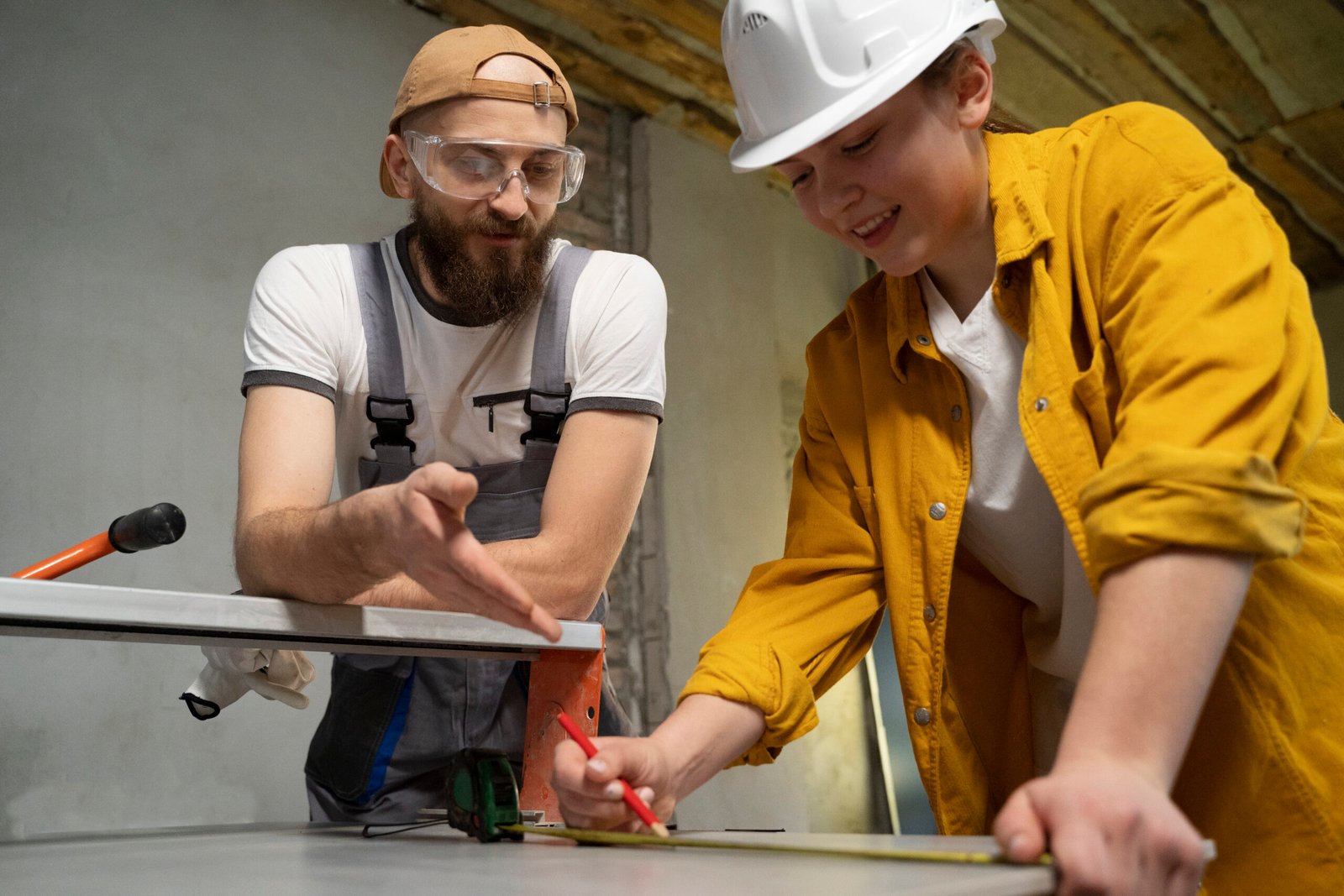
An Ausbildung zum Maurer (bricklayer apprenticeship) in Germany typically lasts three years. It combines classroom-based learning with hands-on practical experience. Apprentices spend part of their week working at a construction site or with a company, while the rest is spent in vocational school (Berufsschule).
During the training, students learn skills such as:
- Building walls, floors, and structures with bricks, stones, and concrete blocks
- Reading and interpreting construction blueprints
- Measuring and mixing mortar
- Laying foundations and insulating buildings
- Repairing old structures and restoring heritage properties
- Using modern tools and sustainable building materials
By the end of the training, apprentices must pass both practical and theoretical exams to become qualified Maurer.
Why Ausbildung Matters
Germany’s dual education system is world-famous because it directly connects education with employment. Completing an Ausbildung doesn’t just give you a certificate — it gives you a career path. Most apprentices are trained by companies that need skilled workers, which means many are offered full-time contracts immediately after completing their Ausbildung.
For bricklayers, this system ensures they graduate with not just skills but also real-world job experience, making them extremely valuable in the construction workforce.
The Demand for Skilled Bricklayers in Germany
Ongoing Construction Boom
Germany’s population continues to grow, especially in major cities like Berlin, Munich, Frankfurt, and Hamburg. The need for new housing, commercial buildings, and infrastructure projects has created a massive demand for skilled construction workers. Bricklayers are among the most sought-after trades because every project — whether small or large — begins with their foundational work.
According to multiple German labor reports, the construction sector faces a shortage of qualified tradespeople, and bricklayers are consistently listed among the top in-demand professions. This shortage directly translates into strong job security for anyone entering the field.
Aging Workforce
Another important factor is Germany’s aging population. Many experienced bricklayers are reaching retirement age, leaving behind vacancies that must be filled by younger professionals. The government and construction associations have recognized this gap and are actively promoting Ausbildung programs to attract new talent to the field.
This demographic shift ensures steady employment opportunities for years to come. As older workers retire, newly trained bricklayers are needed to take their place, ensuring consistent demand in the labor market.
Public and Private Sector Projects
Germany invests heavily in infrastructure — roads, railways, bridges, and housing projects — and bricklayers play a vital role in all of these. Whether the employer is a government contractor or a private construction firm, skilled bricklayers are always in demand.
Even during economic downturns, the construction industry remains one of the least affected sectors, particularly when it comes to essential housing and renovation projects. This resilience makes bricklaying a stable and secure career path.
Job Security After Ausbildung: What Does It Look Like?
High Employment Rate
One of the strongest indicators of job security is the employment rate among recent graduates. For bricklayers in Germany, the employment rate after Ausbildung is exceptionally high. Many apprentices are hired by the same company they trained with. Others find work easily through job boards, local construction companies, or trade unions.
The unemployment rate among qualified bricklayers is significantly lower than the national average — a clear sign that this profession offers genuine stability.
Long-Term Contracts and Permanent Positions
After completing Ausbildung, most bricklayers begin with full-time permanent contracts (unbefristeter Arbeitsvertrag). Construction companies invest time and resources in training apprentices, so they often prefer to keep them as long-term employees.
Permanent contracts not only mean stable income but also access to benefits like paid leave, social insurance, and pension contributions — all of which contribute to overall job security and quality of life.
Opportunities for Self-Employment
Bricklaying is a trade that lends itself perfectly to self-employment. Once you gain enough experience and professional certification, you can work as a freelance craftsman (Selbstständiger Maurer) or even start your own small construction business.
Self-employed bricklayers in Germany often earn more than those working in fixed positions, especially when they handle specialized projects or restoration work. This flexibility provides not just job security but also financial independence and career freedom.
Career Growth and Advancement Opportunities
Specialization Within the Field
After Ausbildung, many bricklayers choose to specialize in areas such as:
- Concrete and reinforced construction
- Historical building restoration
- Facade masonry and insulation systems
- Sustainable and eco-friendly construction
These specializations open doors to better-paying and more secure positions, particularly as Germany moves toward environmentally sustainable building practices.
Becoming a Master Craftsman (Meister)
With a few years of work experience, a bricklayer can advance to become a Meister (Master Craftsman). The Meister qualification allows professionals to:
- Train apprentices
- Supervise major projects
- Start and legally operate their own construction company
Becoming a Meister significantly increases job security, income potential, and social recognition. It also offers a lifelong career path with minimal risk of unemployment.
Transition to Construction Management or Engineering
Some bricklayers go on to pursue higher education, such as a degree in civil engineering or construction management. The hands-on experience gained through Ausbildung gives them a strong foundation to excel in these advanced technical fields.
This upward mobility ensures that a career in bricklaying is not limited to manual labor — it can evolve into leadership and management roles within the construction industry.
The Role of Technology in Bricklaying and Job Security
Modern Tools and Techniques
The image of bricklaying as purely physical labor is outdated. Today’s bricklayers use laser measuring systems, digital blueprints, and advanced materials that improve efficiency and precision. Germany’s commitment to technological advancement ensures that bricklayers are continually learning and adapting to modern construction practices.
This technological integration doesn’t threaten job security — it enhances it. Workers trained in modern techniques are even more valuable to employers who need skilled tradespeople capable of operating advanced tools and following updated construction standards.
Sustainable Construction
Germany is a leader in sustainable and energy-efficient building design. Bricklayers trained in eco-friendly methods such as thermal insulation, passive house construction, and recycled materials are particularly in demand.
As environmental regulations tighten, companies will increasingly rely on skilled bricklayers familiar with sustainable methods — further strengthening long-term job security.
Salary and Financial Stability After Ausbildung
Job security isn’t only about keeping a job; it’s also about earning a steady, reliable income.
Entry-Level Salary
A newly qualified bricklayer in Germany typically earns between €2,800 and €3,500 per month, depending on location and company size. Wages are generally higher in large cities and western states such as Bavaria or Baden-Württemberg.
Experienced Professionals
With experience and additional certifications, salaries can increase to €4,000–€5,500 per month. Those working in specialized areas or as site supervisors can earn even more. Self-employed bricklayers who handle private contracts or niche restoration work can exceed this range significantly.
Steady Income and Benefits
Most companies provide additional benefits such as travel allowances, paid overtime, health insurance, and pension contributions. Combined with steady employment, this creates a strong sense of financial stability — a key factor in job security.
Challenges in the Profession
While job security for bricklayers is strong, the profession is not without challenges. Understanding these helps set realistic expectations.
Physical Demands
Bricklaying is a physically demanding job that requires strength, endurance, and precision. Workers are exposed to weather conditions and must follow strict safety guidelines. However, with proper safety equipment and ergonomic tools, these challenges are manageable.
Seasonal Work Patterns
Although construction projects in Germany operate year-round, some smaller companies may experience reduced activity during harsh winter months. However, most large employers plan projects in advance to maintain consistent work throughout the year.
Language and Integration for Foreign Workers
For international students or foreign workers, mastering the German language is essential. Communication on construction sites, understanding safety instructions, and reading blueprints all require solid language skills. However, once language proficiency is achieved, the opportunities are vast and rewarding.
Why Bricklaying Offers One of the Most Secure Careers in Germany
Several factors combine to make bricklaying one of the most secure trades in Germany:
- Constant demand – New housing and infrastructure projects keep the construction industry active.
- Aging workforce – Retirements create openings for new workers.
- Government investment – Public infrastructure spending supports long-term job creation.
- Technological advancement – Modern construction techniques increase efficiency without reducing workforce demand.
- Career flexibility – Bricklayers can work as employees, freelancers, or business owners.
- High employability after Ausbildung – Most graduates are immediately hired.
This combination ensures that anyone completing a bricklayer Ausbildung in Germany has a secure, respected, and well-paid career path ahead.
The Future of Bricklaying in Germany
The Green Building Revolution
Germany’s commitment to reducing carbon emissions and increasing energy efficiency is transforming the construction industry. Bricklayers with training in green building techniques will be central to this transformation. Demand for workers skilled in thermal insulation, eco-materials, and energy-efficient design is expected to rise steadily over the next decade.
Immigration and International Talent
Germany has opened doors to skilled international workers through various visa pathways. For foreign bricklayers completing Ausbildung, this means long-term opportunities not only to work but also to settle in Germany with strong career stability.
As the labor shortage continues, international bricklayers are likely to find even more favorable employment conditions and long-term contracts.
Conclusion
So, is there job security for bricklayers in Germany after Ausbildung?
The answer is a confident yes.
Bricklaying remains one of the most stable, respected, and rewarding trades in Germany. The combination of strong industry demand, demographic trends, and the country’s commitment to modern and sustainable construction ensures a long-term need for skilled professionals.
Graduates of the bricklayer Ausbildung enjoy high employment rates, excellent earning potential, and the flexibility to work as employees, specialists, or business owners. With continuous technological progress and government support for vocational training, the future for bricklayers in Germany looks not just secure — it looks bright.
Whether you’re a German citizen or an international student planning your career in Germany, choosing bricklaying as your vocational path offers not just a job, but a lifelong profession built on solid foundations — quite literally.