
Best Countries in Europe for Physiotherapy Bachelor’s Programs: A Complete Guide for International Students
Physiotherapy Bachelor’s in Europe
Physiotherapy is one of the fastest-growing healthcare professions worldwide. With increasing awareness about physical fitness, rehabilitation, and injury prevention, the demand for qualified physiotherapists is rising rapidly. Many students now prefer studying Physiotherapy in Europe because of high-quality education, affordable tuition fees, internationally recognized degrees, and excellent career opportunities.
Europe offers diverse Bachelor’s programs in Physiotherapy that are taught in English, making it easier for international students to study without learning a new language. From modern universities to advanced medical facilities, European countries provide everything needed for a successful physiotherapy career.
This complete guide will help you understand the best countries in Europe for Physiotherapy Bachelor’s programs, admission requirements, fees, living costs, career scope, and job opportunities after graduation.
If you are planning to build a future in healthcare, this guide will help you choose the right country and university.
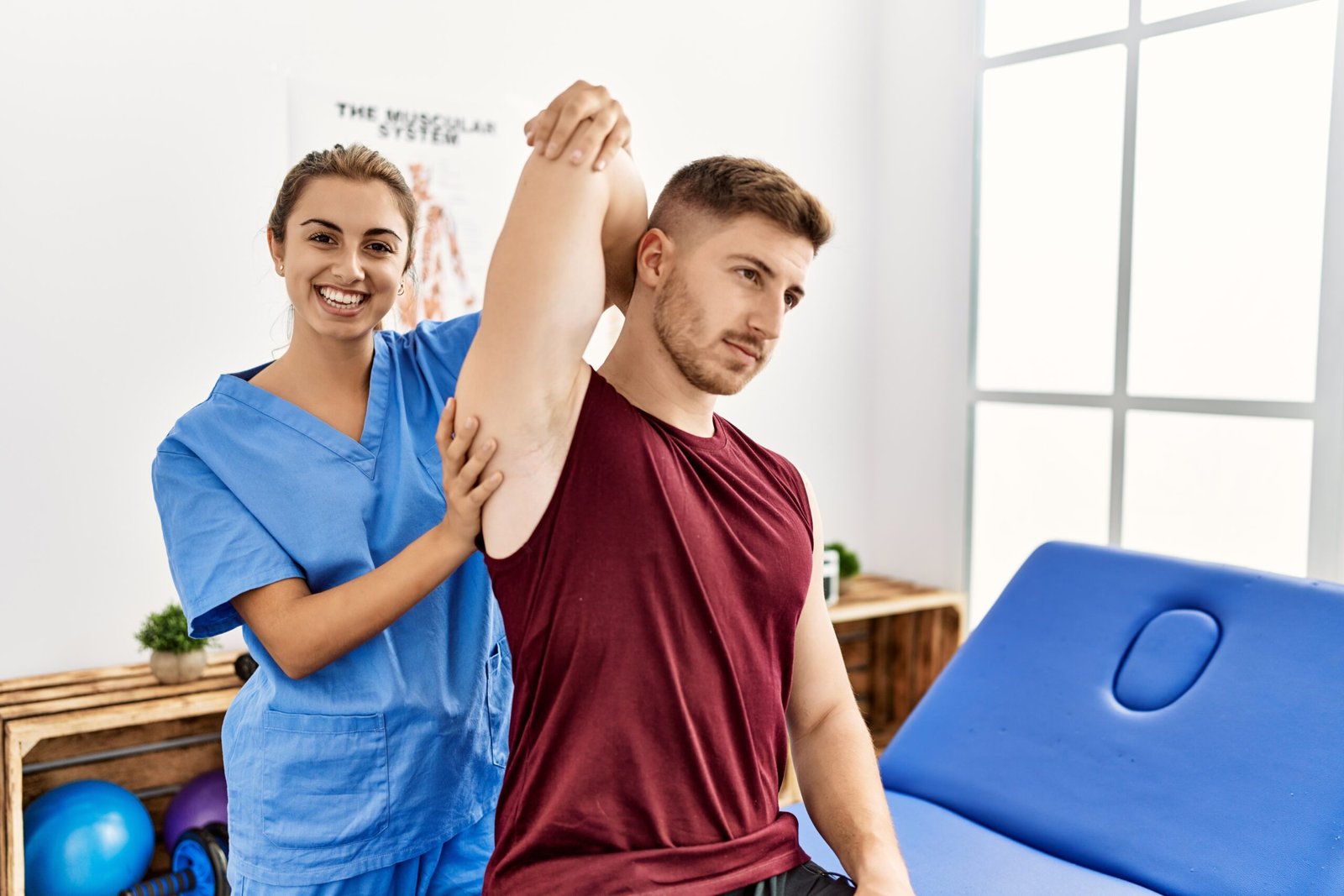
Why Study Physiotherapy in Europe?
Before choosing a country, it is important to understand why Europe is a preferred destination for Physiotherapy students.
1. High-Quality Education
European universities follow strict academic standards. Most Physiotherapy programs are approved by national and international health councils, ensuring quality education.
2. English-Taught Programs
Many universities offer Bachelor’s programs fully in English, especially for international students.
3. Affordable Tuition Fees
Compared to countries like the USA, UK, and Australia, many European countries provide low-cost or even free education.
4. Practical Training
Students get hands-on clinical experience in hospitals, rehabilitation centers, and sports clinics.
5. International Recognition
European degrees are accepted worldwide, allowing graduates to work in multiple countries.
6. Multicultural Environment
Studying in Europe exposes students to different cultures, improving personal and professional skills.
What Is a Bachelor’s Degree in Physiotherapy?
A Bachelor’s in Physiotherapy is usually a 3 to 4-year undergraduate program that trains students to diagnose, treat, and prevent physical injuries and disabilities.
Subjects Covered
- Human Anatomy
- Physiology
- Biomechanics
- Exercise Therapy
- Rehabilitation Science
- Sports Physiotherapy
- Neurology
- Orthopedics
- Clinical Practice
After completing this degree, students can work as entry-level physiotherapists or continue with a Master’s degree.
Admission Requirements for Physiotherapy in Europe
Although requirements vary by country and university, most institutions follow similar criteria.
Educational Qualification
- 10+2 (High School) with Science stream
- Biology is mandatory
- Physics and Chemistry preferred
- Minimum 50%–70% marks (varies)
Language Requirements
- IELTS: 6.0–6.5
- TOEFL: 70–90
- Some universities waive IELTS if previous education was in English
Documents Required
- Academic Transcripts
- Passport
- Statement of Purpose (SOP)
- Resume/CV
- Recommendation Letters
- Medical Certificate
Best Countries in Europe for Physiotherapy Bachelor’s Programs
Now let us explore the top European countries for studying Physiotherapy.
1. Germany – Best for Quality and Low Cost Education
Why Choose Germany?
Germany is one of the most popular destinations for healthcare education. It is known for advanced medical research and excellent teaching methods.
Program Features
- High academic standards
- Strong practical training
- Modern laboratories
- Globally recognized degrees
Tuition Fees
- Public Universities: Free or very low cost
- Private Universities: €3,000 – €8,000 per year
Living Cost
- €800 – €1,000 per month
Language
- Many programs in English
- Some require basic German for clinical practice
Career Scope
Graduates can work in hospitals, sports clinics, rehabilitation centers, or start private practice after licensing.
2. Poland – Best for Affordable English Programs
Why Choose Poland?
Poland is becoming a favorite destination for medical and physiotherapy students because of low fees and good quality education.
Program Features
- English-taught programs
- European Credit Transfer System (ECTS)
- Strong clinical exposure
Tuition Fees
- €2,000 – €5,000 per year
Living Cost
- €500 – €700 per month
Language
- Programs in English
- Polish is helpful for internships
Career Scope
Graduates can work in Europe, Asia, and Middle East after recognition.
3. Spain – Best for Lifestyle and Medical Training
Why Choose Spain?
Spain combines quality education with a high standard of living and excellent healthcare infrastructure.
Program Features
- Advanced physiotherapy techniques
- Sports rehabilitation focus
- Research-based education
Tuition Fees
- Public Universities: €1,000 – €3,000 per year
- Private Universities: €5,000 – €10,000 per year
Living Cost
- €700 – €900 per month
Language
- Mostly Spanish
- Limited English programs available
Career Scope
Spain is ideal for students interested in sports and orthopedic physiotherapy.
4. Italy – Best for Medical Education Heritage
Why Choose Italy?
Italy has a long history of medical education and offers well-structured healthcare programs.
Program Features
- Strong clinical training
- Modern teaching methods
- Affordable public universities
Tuition Fees
- €500 – €4,000 per year
Living Cost
- €700 – €1,000 per month
Language
- Mostly Italian
- Few English programs
Career Scope
Graduates can work in European healthcare systems after certification.
5. Netherlands – Best for Innovative Learning
Why Choose Netherlands?
The Netherlands is known for problem-based learning and student-focused education.
Program Features
- Interactive teaching
- Modern research facilities
- International environment
Tuition Fees
- €6,000 – €10,000 per year
Living Cost
- €900 – €1,200 per month
Language
- English widely used
Career Scope
Strong job market for healthcare professionals.
6. Hungary – Best for Medical and Health Sciences
Why Choose Hungary?
Hungary offers excellent healthcare education at affordable prices.
Program Features
- Internationally recognized degrees
- Strong clinical exposure
- English-medium programs
Tuition Fees
- €3,000 – €6,000 per year
Living Cost
- €500 – €700 per month
Language
- English programs available
Career Scope
Graduates work across Europe and Asia.
7. Czech Republic – Best for Central Europe Education
Why Choose Czech Republic?
It provides high-quality education at reasonable cost.
Program Features
- European standard curriculum
- Practical training
- Modern campuses
Tuition Fees
- €2,500 – €5,000 per year
Living Cost
- €500 – €700 per month
Language
- English programs available
Comparison Table: Top Countries for Physiotherapy in Europe
| Country | Tuition Fees (Per Year) | Living Cost (Monthly) | English Programs | Job Scope |
|---|---|---|---|---|
| Germany | Free – €8,000 | €800 – €1,000 | Yes | High |
| Poland | €2,000 – €5,000 | €500 – €700 | Yes | High |
| Spain | €1,000 – €10,000 | €700 – €900 | Limited | Medium |
| Italy | €500 – €4,000 | €700 – €1,000 | Limited | Medium |
| Netherlands | €6,000 – €10,000 | €900 – €1,200 | Yes | High |
| Hungary | €3,000 – €6,000 | €500 – €700 | Yes | High |
| Czech Republic | €2,500 – €5,000 | €500 – €700 | Yes | Medium |
Career Opportunities After Physiotherapy in Europe
After completing a Bachelor’s degree, students can work in various sectors.
Job Roles
- Physiotherapist
- Sports Therapist
- Rehabilitation Specialist
- Orthopedic Assistant
- Neurology Therapist
- Fitness Consultant
- Research Assistant
Workplaces
- Hospitals
- Sports Academies
- Rehabilitation Centers
- Nursing Homes
- Private Clinics
- Fitness Centers
Salary in Europe
| Country | Average Monthly Salary |
|---|---|
| Germany | €2,500 – €3,500 |
| Poland | €1,200 – €2,000 |
| Netherlands | €3,000 – €4,000 |
| Spain | €1,800 – €2,500 |
| Italy | €1,800 – €2,500 |
Can International Students Work During Studies?
Yes, most European countries allow part-time work.
Work Limit
- 20 hours per week (average)
- Full-time during vacations
Average Part-Time Salary
- €8 – €15 per hour
This helps students manage living expenses.
Scholarships for Physiotherapy Students
Many universities and governments offer scholarships.
Types of Scholarships
- Merit-Based
- Need-Based
- Government Scholarships
- University Scholarships
Benefits
- Tuition fee reduction
- Living allowance
- Accommodation support
How to Apply for Physiotherapy in Europe?
Step-by-Step Process
- Shortlist Countries and Universities
- Check Eligibility
- Prepare Documents
- Take English Test
- Apply Online
- Receive Offer Letter
- Pay Fees
- Apply for Visa
- Book Accommodation
- Travel to Europe
Tips to Choose the Best Country
- Check English program availability
- Compare tuition fees
- Consider living cost
- Research job opportunities
- Check degree recognition
- Look for internships
- Understand visa rules

Advantages of Studying Physiotherapy in Europe
- International exposure
- Practical skills
- High employability
- Modern healthcare systems
- Opportunity for PR in some countries
- Global career mobility
Challenges You May Face
- Language barriers
- Cultural adjustment
- Licensing requirements
- Academic pressure
- Part-time job competition
Proper planning can help overcome these challenges.
Frequently Asked Questions (FAQs)
Is Europe good for Physiotherapy studies?
Yes, Europe offers high-quality education, affordable fees, and global recognition.
Can I work in India after studying in Europe?
Yes, after clearing local licensing exams.
Is IELTS compulsory?
Not always, but most universities prefer it.
Can I do Master’s after Bachelor’s?
Yes, you can pursue MSc Physiotherapy or related fields.
Which country is cheapest?
Germany, Italy, Poland, Hungary are among the most affordable.
Conclusion
Studying a Bachelor’s in Physiotherapy in Europe is an excellent choice for students who want quality education, international exposure, and strong career opportunities. Countries like Germany, Poland, Netherlands, Hungary, and Italy offer world-class programs at affordable costs.
With proper planning, correct university selection, and strong dedication, you can build a successful career in physiotherapy and healthcare.
If you dream of becoming a professional physiotherapist, Europe can be your gateway to global success.