
Job Opportunities After Studying Physiotherapy in Europe: A Complete Guide for Students
Physiotherapy Jobs in Europe
Studying Physiotherapy in Europe has become a popular choice among international students due to high-quality education, globally recognized degrees, advanced healthcare systems, and strong career prospects. Europe offers diverse learning environments, modern medical infrastructure, and numerous job opportunities for qualified physiotherapists.
If you are planning to study Physiotherapy in Europe or have already completed your degree, this complete guide will help you understand career options, salary expectations, licensing requirements, top countries, and future growth prospects.
Why Choose Europe for Physiotherapy Studies?
Europe is home to some of the world’s best medical and health science universities. Here are key reasons why students prefer Europe:
- Internationally recognized degrees
- High academic standards
- Advanced clinical training
- Multicultural exposure
- Strong healthcare sector
- Better work-life balance
- Post-study work opportunities
Many European countries also offer affordable tuition fees and scholarships, making education accessible.
Scope of Physiotherapy in Europe
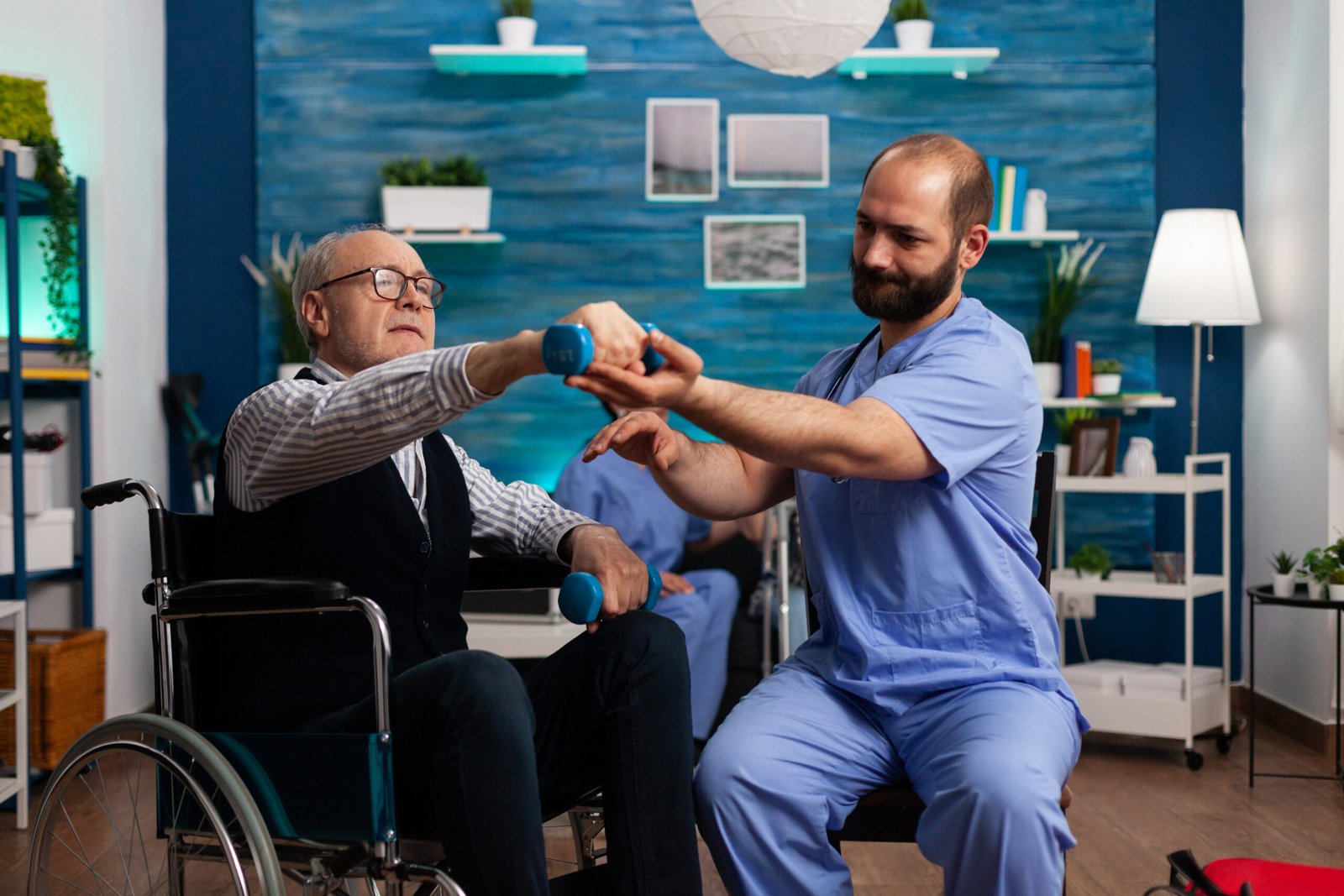
Physiotherapy is a highly respected profession in Europe. With an aging population, increasing lifestyle diseases, and sports injuries, demand for skilled physiotherapists is rising continuously.
Physiotherapists play a vital role in:
- Rehabilitation
- Pain management
- Sports injury recovery
- Neurological treatment
- Post-surgery therapy
- Geriatric care
The healthcare sector in Europe continues to expand, creating long-term career stability.
Popular European Countries for Physiotherapy Careers
1. Germany
Germany has a strong healthcare system and high demand for physiotherapists. Salaries are competitive, and job security is high. Knowledge of German language is essential.
2. United Kingdom
The UK offers excellent career prospects through the National Health Service (NHS) and private clinics. HCPC registration is required.
3. France
France provides good job opportunities in hospitals and rehabilitation centers. French language proficiency is necessary.
4. Netherlands
The Netherlands offers modern healthcare facilities and good work-life balance. English is widely used, but learning Dutch improves job prospects.
5. Sweden
Sweden focuses on rehabilitation and elderly care. Physiotherapists are in high demand with attractive salaries.
6. Spain
Spain offers opportunities in sports physiotherapy and wellness centers. Spanish language skills are important.
7. Italy
Italy provides jobs in orthopedic clinics, hospitals, and sports centers.
Job Opportunities After Studing Physiotherapy in Europe
After completing your degree, you can work in various sectors. Below are the main career options:
1. Clinical Physiotherapist
Work in hospitals, clinics, and rehabilitation centers treating patients with injuries and disabilities.
2. Sports Physiotherapist
Work with athletes, sports teams, gyms, and fitness centers.
3. Neurological Physiotherapist
Specialize in treating patients with stroke, spinal injuries, and neurological disorders.
4. Pediatric Physiotherapist
Help children with developmental and physical challenges.
5. Geriatric Physiotherapist
Work with elderly patients to improve mobility and quality of life.
6. Orthopedic Physiotherapist
Treat musculoskeletal problems, fractures, and joint disorders.
7. Rehabilitation Specialist
Work in rehabilitation hospitals and trauma centers.
8. Occupational Health Physiotherapist
Support employees in corporate and industrial environments.
9. Home Care Physiotherapist
Provide treatment to patients at home.
10. Researcher and Academic
Work in universities, research institutions, and medical colleges.
Salary After Studying Physiotherapy in Europe
Salary varies depending on country, experience, and workplace.
Average Monthly Salary (Approximate)
- Germany: €2,800 – €4,000
- UK: €2,500 – €3,800
- France: €2,300 – €3,500
- Netherlands: €2,700 – €4,200
- Sweden: €3,000 – €4,500
- Spain: €1,800 – €2,800
- Italy: €2,000 – €3,200
With experience and specialization, income increases significantly.
Licensing and Registration Requirements
To work as a physiotherapist in Europe, you must obtain professional recognition.
Common Requirements:
- Recognized Physiotherapy degree
- Language proficiency certificate
- Professional registration
- Clinical internship proof
- Background verification
Country-wise Registration:
- UK: HCPC Registration
- Germany: Berufsanerkennung
- France: Ordre des Masseurs-Kinésithérapeutes
- Sweden: Socialstyrelsen
- Netherlands: BIG Register
Always check official authorities before applying.
Work Permit and Visa After Graduation
Most European countries offer post-study work visas.
Common Options:
- Germany: 18-month job search visa
- UK: Graduate Route (2 years)
- France: Temporary Residence Permit
- Netherlands: Orientation Year Visa
- Sweden: Job Seeker Permit
Once employed, you can convert it into a work visa or residence permit.
Skills Required for Physiotherapists in Europe
To succeed professionally, you need:
- Strong communication skills
- Patient handling ability
- Clinical knowledge
- Problem-solving skills
- Emotional intelligence
- Time management
- Teamwork
- Language proficiency
Language Requirements
Language plays a major role in employment.
- Germany: German (B2/C1)
- France: French (B2)
- Spain: Spanish (B2)
- Italy: Italian (B2)
- Sweden: Swedish
- Netherlands: Dutch (preferred)
- UK/Ireland: English (IELTS/OET)
Learning the local language increases job chances.
Private Practice and Self-Employment
Many physiotherapists open their own clinics after gaining experience.
Benefits:
- Higher income potential
- Flexible working hours
- Professional independence
Requirements:
- Business registration
- Professional license
- Insurance
- Local regulations compliance
Career Growth and Specializations
Specializing improves salary and job stability.
Popular specializations include:
- Sports Rehabilitation
- Manual Therapy
- Cardiopulmonary Physiotherapy
- Neurological Rehabilitation
- Orthopedic Therapy
- Pediatric Therapy
- Geriatric Care
Further certifications and master’s degrees help in advancement.
Challenges Faced by International Students
Some common difficulties include:
- Language barriers
- Licensing delays
- Cultural differences
- Visa issues
- Initial low salary
- Recognition of foreign degrees
Proper planning helps overcome these challenges.
How to Get a Job in Europe After Physiotherapy
Step-by-Step Process
- Complete your degree from a recognized university
- Learn local language
- Apply for professional registration
- Prepare CV as per European standards
- Apply through hospital portals and job sites
- Attend interviews
- Secure work permit
- Start professional practice
Top Employers for Physiotherapists in Europe
- Public Hospitals
- Private Clinics
- Rehabilitation Centers
- Sports Clubs
- Fitness Chains
- Nursing Homes
- Universities
- Research Institutes
Future Scope of Physiotherapy in Europe
The future of physiotherapy in Europe is very promising.
Growth drivers:
- Aging population
- Sports culture growth
- Rising health awareness
- Digital rehabilitation
- Tele-physiotherapy
- Preventive healthcare
Job demand is expected to increase in coming years.
Frequently Asked Questions (FAQs)
1. Is Physiotherapy in Europe a good career?
Yes, it offers stability, respect, and good income.
2. Can international students work after studying Physiotherapy?
Yes, most countries allow post-study work visas.
3. Is language compulsory?
Yes, in most European countries local language is mandatory.
4. Can I work in multiple countries?
With EU recognition, it is possible after registration.
5. Can I open my own clinic?
Yes, after meeting legal and licensing requirements.
Tips for Success
- Start learning language early
- Choose accredited universities
- Gain internship experience
- Build professional network
- Attend medical conferences
- Upgrade skills regularly
- Stay updated with regulations
Conclusion
Studying Physiotherapy in Europe opens doors to diverse career opportunities, financial stability, and professional growth. With strong academic foundations, practical training, and dedication, international students can build successful careers in hospitals, clinics, sports organizations, research institutes, and private practice.
By choosing the right country, learning the local language, and fulfilling licensing requirements, you can secure a rewarding future in the European healthcare system.
Europe continues to be one of the best destinations for physiotherapy education and employment, making it an excellent choice for aspiring healthcare professionals.