
What Does a Roofer Do in the German Ausbildung Program?
Roofer Ausbildung in Germany
Germany’s vocational training system, known as Ausbildung, is one of the strongest and most respected training models in the world. It combines practical on-the-job experience with classroom-based theoretical learning. Among the many skilled professions available in Germany, one of the most dynamic and essential careers is that of a roofer, known in German as a Dachdecker.
Roofers play a critical role in construction and building maintenance. They are responsible for creating, upgrading, repairing, and maintaining roofs of various types of buildings across Germany. Without skilled roofers, no residential, commercial, or industrial structure can be considered complete or structurally safe. Roofing is more than just placing tiles or sheets—it requires deep technical expertise, craftsmanship, and the ability to work in various conditions.
In this detailed, 2500-word guide, we will explore everything about the Roofer Ausbildung program in Germany:
- What a roofer actually does
- Job responsibilities
- Skills learned
- Training structure
- Tools and materials used
- Safety requirements
- Career growth
- Daily routine
- Benefits
- Future salary
- Why this profession is highly valued
By the end of this article, you will have a complete understanding of the roofer’s role in the German Ausbildung system and why this profession is a perfect choice for individuals who enjoy practical work, technical skills, teamwork, and outdoor environments.
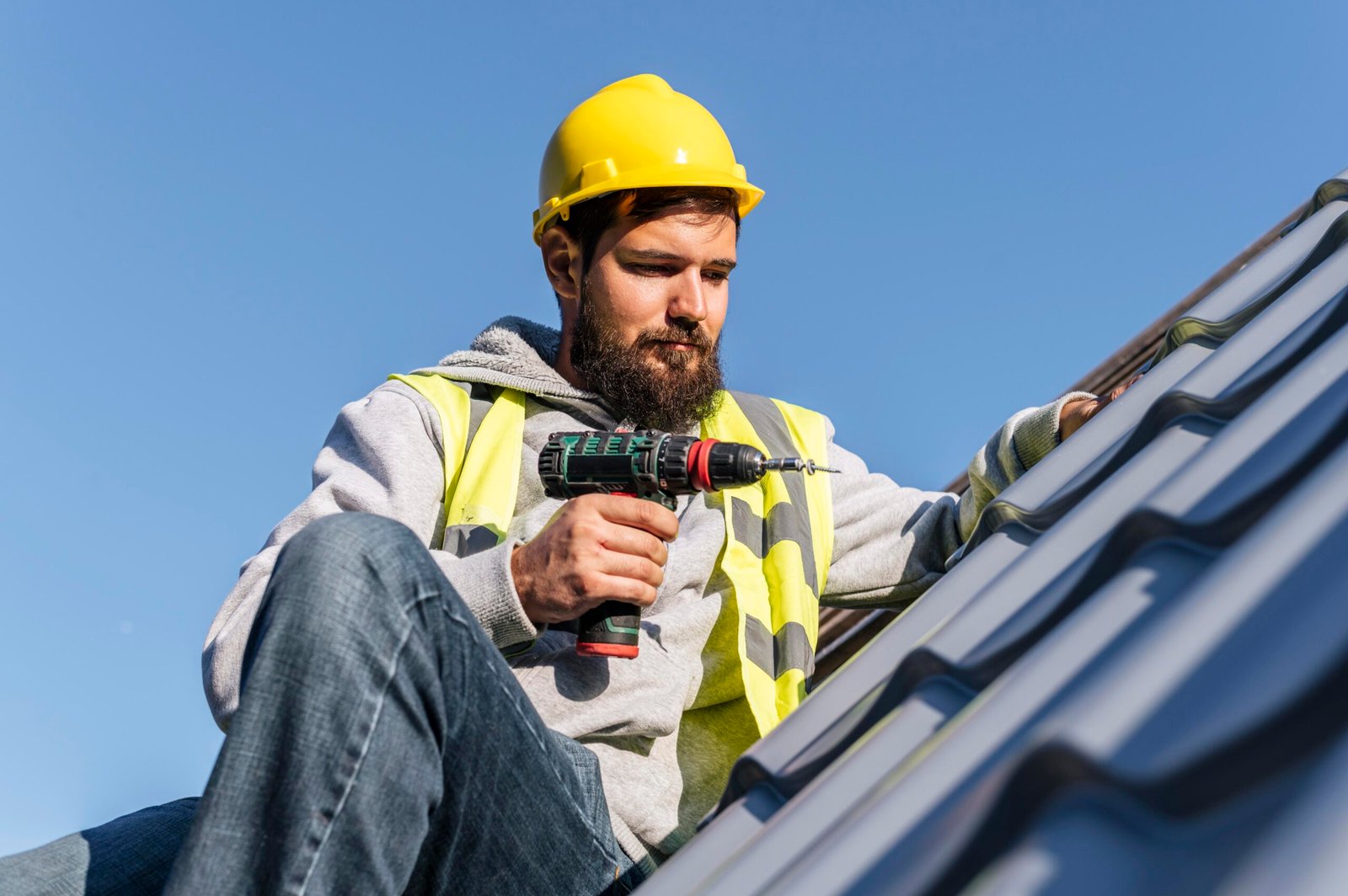
Overview of the Roofer (Dachdecker) Ausbildung in Germany
The Dachdecker Ausbildung is a dual vocational training program lasting three years. During this time, trainees work in roofing companies and attend vocational school (Berufsschule) on scheduled days. This dual approach ensures that trainees learn both theory and practical skills simultaneously.
What Is the Goal of the Ausbildung?
At the end of the training, the trainee becomes a qualified roofer (Geselle) who can independently handle roofing tasks, understand building plans, work safely at heights, manage construction materials, and complete roofing projects with precision and craftsmanship.
What Does a Roofer Do? — Detailed Responsibilities
A roofer’s responsibilities are diverse and extend far beyond simply “fixing roofs.” The job requires technical expertise, physical endurance, and a strong understanding of building physics.
Below is a complete breakdown of what roofers do in Germany during their Ausbildung.
1. Installing Roof Coverings
Roofers install different types of roof coverings depending on the building style and weather conditions. These coverings include:
- Clay tiles
- Concrete roof tiles
- Metal sheets
- Slate tiles
- Bitumen roofing
- Shingles
- Green roofs or eco-friendly roofs
Roofers must be skilled in techniques specific to each material. For example, installing slate tiles requires exceptional precision because each stone must be shaped and aligned perfectly.
2. Waterproofing and Insulation
One of the most essential tasks of a roofer is to protect buildings from water leakage. Roofers install:
- Waterproof membranes
- Insulating layers
- Vapor barriers
- Protective coatings
They ensure that the roof remains completely sealed and protected from rain, snow, wind, and moisture—especially important in Germany’s varied weather.
3. Repairing and Maintaining Roofs
Roofers frequently handle repair work such as:
- Replacing damaged tiles
- Fixing leaks
- Restoring old roofing
- Repairing storm damage
- Checking structural stability
Maintenance is crucial for the longevity of buildings. Many homes in Germany need regular roof inspections because winters can be harsh and windy.
4. Constructing Roof Frames and Structures
Although carpenters (Zimmerer) handle most wooden structures, roofers also learn about:
- Supporting frames
- Rafters
- Battens
- Substructures
Understanding the roof’s underlying structure helps roofers properly install coverings and insulation.
5. Installing Solar Panels and Modern Energy Systems
Germany is a leader in renewable energy. Many modern roofs include:
- Solar photovoltaic panels
- Solar thermal systems
- Energy-efficient roof designs
Roofers are trained to prepare roofs for solar installations and to mount the systems safely.
6. Working on Flat Roofs
Flat roofs are common in commercial and industrial buildings. Roofers install:
- Bitumen sheets
- EPDM membranes
- PVC roofing
- Green roofing systems
- Heat insulation layers
Flat roof work requires extreme precision because any mistake can cause water pooling and leaks.
7. Installing Rainwater Management Systems
Roofers also handle:
- Gutters
- Downpipes
- Drainage systems
- Water collection systems
These installations protect buildings from water damage and improve sustainability.
8. Building Skylights, Chimneys, and Roof Windows
Roofers install:
- Skylights
- Roof windows
- Chimney connections
- Ventilation systems
This requires cutting precise openings, sealing edges, and ensuring perfect waterproofing.
9. Ensuring Workplace Safety
Roofers work at heights, so safety is a critical part of the Ausbildung. They learn how to:
- Use safety harnesses
- Set up scaffolding
- Maintain balance on steep roofs
- Follow safety regulations (Arbeitsschutz)
Safety training helps reduce accidents and ensures responsible work.
10. Reading and Understanding Building Plans
During Ausbildung, trainees learn to read:
- Architectural drawings
- Roof blueprints
- Construction diagrams
This helps them understand measurements, slopes, load-bearing points, and technical instructions.
Daily Routine of a Roofer in Ausbildung
A typical workday for a roofer trainee begins early, often around 7:00 AM. The routine includes:
Morning:
- Preparing tools
- Loading materials
- Checking safety equipment
- Reviewing the day’s tasks
During the Day:
- Removing old roof coverings
- Installing new tiles or waterproof layers
- Cutting materials
- Measuring slopes and angles
- Working with the team on high roofs
- Cleaning the work area
End of the Day:
- Packing tools
- Cleaning up
- Reporting progress to supervisors
- Preparing for the next day
Roofers work outdoors, which means they experience all weather conditions. However, on extremely rainy or dangerous days, indoor tasks or training may be scheduled.
Tools and Equipment Used by Roofers
Roofers use a variety of hand and power tools, including:
- Roofing hammer
- Tile cutter
- Slate hammer
- Measuring tapes
- Spirit levels
- Drills
- Nail guns
- Heat welders
- Safety harnesses
- Ladders
- Scaffolding
Training includes learning how to properly maintain, clean, and store tools.
Skills Learned During the Roofer Ausbildung
A trainee develops a wide range of valuable skills:
Technical Skills
- Roofing systems and materials
- Waterproofing techniques
- Solar installation basics
- Construction mathematics
- Insulation systems
- Building physics
Physical Skills
- Endurance
- Balance
- Strength
- Flexibility
Soft Skills
- Teamwork
- Problem-solving
- Communication
- Attention to detail
- Ability to work under pressure
These skills make recruits highly employable even outside roofing.
Why Choose the Roofer Ausbildung?
There are several reasons why many trainees choose roofing:
1. High Demand
Germany lacks skilled workers in construction professions, especially roofers.
2. Job Security
Roofers are always needed—new buildings, maintenance, repairs, and roof renovations never stop.
3. Outdoor Work
Perfect for people who enjoy working outside rather than sitting in an office.
4. Good Income
Roofers earn competitive salaries after Ausbildung.
5. Career Growth
Possibilities include becoming:
- Roof master (Meister)
- Site manager
- Technician
- Business owner
- Energy consultant
6. Sense of Accomplishment
Roofers can physically see the results of their work.
Challenges Faced by Roofers
Although roofing is rewarding, it comes with challenges:
- Working in uncomfortable weather
- Physically demanding tasks
- Working at heights
- Precision required
- Risk of injury if safety rules are not followed
However, the Ausbildung trains roofers thoroughly to manage these challenges safely.
Vocational School (Berufsschule) Subjects
Trainees attend vocational school several times a year. Subjects include:
- Roof construction
- Materials science
- Building regulations
- Technical drawing
- Mathematics
- German communication skills
- Work safety
- Energy efficiency
- Environmental protection
The combination of theory and practice makes the learning balanced and effective.
Salary After Completing Ausbildung
Once the Ausbildung is complete, roofers enjoy impressive earnings.
Average Monthly Salary
- €2,500 – €3,200 (entry level)
- €3,500 – €4,000 (experienced)
- €4,500 – €5,500 (team leader or Meister)
Self-employed roofers can earn significantly more.
Career Growth and Future Opportunities
A qualified roofer has multiple career paths:
1. Master Roofer (Dachdeckermeister)
Allows you to:
- Lead teams
- Train apprentices
- Open your own business
2. Roof Technician (Techniker)
A more technical and managerial role.
3. Site Supervisor (Bauleiter)
Oversees entire construction projects.
4. Energy Consultant
Specializes in efficient roofing and solar systems.
5. Self-Employment
Many roofers start their own companies due to high demand.
Importance of Roofers in Germany’s Construction Sector
Roofers are essential because they ensure:
- Building durability
- Weather protection
- Energy efficiency
- Safety
- Sustainable living
Germany’s focus on eco-friendly and energy-efficient housing increases demand for highly trained roofers.
Conclusion
The Roofer (Dachdecker) Ausbildung in Germany is a highly respected, stable, and rewarding career path. A roofer does much more than fix roofs—they install complex roofing systems, ensure buildings are waterproof and energy efficient, handle repairs, work with modern technologies like solar panels, and maintain the safety and structural integrity of buildings.
The profession offers excellent job security, strong income potential, career advancement opportunities, and the satisfaction of visible results. It is ideal for individuals who enjoy practical work, physical activity, teamwork, and working outdoors.
Choosing the Roofer Ausbildung means choosing a future filled with growth, stability, and professional pride.
SEO Information
SEO Title: What Does a Roofer Do in the German Ausbildung Program? Full 2500-Word Guide
Meta Description: Discover what roofers do in the German Ausbildung program. Learn about tasks, skills, tools, daily routine, career growth, training structure, and future opportunities.
Focus Keyword: Roofer Ausbildung in Germany
Slug: roofer-ausbildung-germany
1. Installing Roof Coverings
Roofers install different types of roof coverings depending on the building style and weather conditions. These coverings include:
- Clay tiles
- Concrete roof tiles
- Metal sheets
- Slate tiles
- Bitumen roofing
- Shingles
- Green roofs or eco-friendly roofs
Roofers must be skilled in techniques specific to each material. For example, installing slate tiles requires exceptional precision because each stone must be shaped and aligned perfectly.
2. Waterproofing and Insulation
One of the most essential tasks of a roofer is to protect buildings from water leakage. Roofers install:
- Waterproof membranes
- Insulating layers
- Vapor barriers
- Protective coatings
They ensure that the roof remains completely sealed and protected from rain, snow, wind, and moisture—especially important in Germany’s varied weather.
3. Repairing and Maintaining Roofs
Roofers frequently handle repair work such as:
- Replacing damaged tiles
- Fixing leaks
- Restoring old roofing
- Repairing storm damage
- Checking structural stability
Maintenance is crucial for the longevity of buildings. Many homes in Germany need regular roof inspections because winters can be harsh and windy.
4. Constructing Roof Frames and Structures
Although carpenters (Zimmerer) handle most wooden structures, roofers also learn about:
- Supporting frames
- Rafters
- Battens
- Substructures
Understanding the roof’s underlying structure helps roofers properly install coverings and insulation.
5. Installing Solar Panels and Modern Energy Systems
Germany is a leader in renewable energy. Many modern roofs include:
- Solar photovoltaic panels
- Solar thermal systems
- Energy-efficient roof designs
Roofers are trained to prepare roofs for solar installations and to mount the systems safely.
6. Working on Flat Roofs
Flat roofs are common in commercial and industrial buildings. Roofers install:
- Bitumen sheets
- EPDM membranes
- PVC roofing
- Green roofing systems
- Heat insulation layers
Flat roof work requires extreme precision because any mistake can cause water pooling and leaks.
7. Installing Rainwater Management Systems
Roofers also handle:
- Gutters
- Downpipes
- Drainage systems
- Water collection systems
These installations protect buildings from water damage and improve sustainability.
8. Building Skylights, Chimneys, and Roof Windows
Roofers install:
- Skylights
- Roof windows
- Chimney connections
- Ventilation systems
This requires cutting precise openings, sealing edges, and ensuring perfect waterproofing.
9. Ensuring Workplace Safety
Roofers work at heights, so safety is a critical part of the Ausbildung. They learn how to:
- Use safety harnesses
- Set up scaffolding
- Maintain balance on steep roofs
- Follow safety regulations (Arbeitsschutz)
Safety training helps reduce accidents and ensures responsible work.
10. Reading and Understanding Building Plans
During Ausbildung, trainees learn to read:
- Architectural drawings
- Roof blueprints
- Construction diagrams
This helps them understand measurements, slopes, load-bearing points, and technical instructions.
Daily Routine of a Roofer in Ausbildung
A typical workday for a roofer trainee begins early, often around 7:00 AM. The routine includes:
Morning:
- Preparing tools
- Loading materials
- Checking safety equipment
- Reviewing the day’s tasks
During the Day:
- Removing old roof coverings
- Installing new tiles or waterproof layers
- Cutting materials
- Measuring slopes and angles
- Working with the team on high roofs
- Cleaning the work area
End of the Day:
- Packing tools
- Cleaning up
- Reporting progress to supervisors
- Preparing for the next day
Roofers work outdoors, which means they experience all weather conditions. However, on extremely rainy or dangerous days, indoor tasks or training may be scheduled.
Tools and Equipment Used by Roofers
Roofers use a variety of hand and power tools, including:
- Roofing hammer
- Tile cutter
- Slate hammer
- Measuring tapes
- Spirit levels
- Drills
- Nail guns
- Heat welders
- Safety harnesses
- Ladders
- Scaffolding
Training includes learning how to properly maintain, clean, and store tools.
Skills Learned During the Roofer Ausbildung
A trainee develops a wide range of valuable skills:
Technical Skills
- Roofing systems and materials
- Waterproofing techniques
- Solar installation basics
- Construction mathematics
- Insulation systems
- Building physics
Physical Skills
- Endurance
- Balance
- Strength
- Flexibility
Soft Skills
- Teamwork
- Problem-solving
- Communication
- Attention to detail
- Ability to work under pressure
These skills make recruits highly employable even outside roofing.
Why Choose the Roofer Ausbildung?
There are several reasons why many trainees choose roofing:
1. High Demand
Germany lacks skilled workers in construction professions, especially roofers.
2. Job Security
Roofers are always needed—new buildings, maintenance, repairs, and roof renovations never stop.
3. Outdoor Work
Perfect for people who enjoy working outside rather than sitting in an office.
4. Good Income
Roofers earn competitive salaries after Ausbildung.
5. Career Growth
Possibilities include becoming:
- Roof master (Meister)
- Site manager
- Technician
- Business owner
- Energy consultant
6. Sense of Accomplishment
Roofers can physically see the results of their work.
Challenges Faced by Roofers
Although roofing is rewarding, it comes with challenges:
- Working in uncomfortable weather
- Physically demanding tasks
- Working at heights
- Precision required
- Risk of injury if safety rules are not followed
However, the Ausbildung trains roofers thoroughly to manage these challenges safely.
Vocational School (Berufsschule) Subjects
Trainees attend vocational school several times a year. Subjects include:
- Roof construction
- Materials science
- Building regulations
- Technical drawing
- Mathematics
- German communication skills
- Work safety
- Energy efficiency
- Environmental protection
The combination of theory and practice makes the learning balanced and effective.
Salary After Completing Ausbildung
Once the Ausbildung is complete, roofers enjoy impressive earnings.
Average Monthly Salary
- €2,500 – €3,200 (entry level)
- €3,500 – €4,000 (experienced)
- €4,500 – €5,500 (team leader or Meister)
Self-employed roofers can earn significantly more.
Career Growth and Future Opportunities
A qualified roofer has multiple career paths:
1. Master Roofer (Dachdeckermeister)
Allows you to:
- Lead teams
- Train apprentices
- Open your own business
2. Roof Technician (Techniker)
A more technical and managerial role.
3. Site Supervisor (Bauleiter)
Oversees entire construction projects.
4. Energy Consultant
Specializes in efficient roofing and solar systems.
5. Self-Employment
Many roofers start their own companies due to high demand.
Importance of Roofers in Germany’s Construction Sector
Roofers are essential because they ensure:
- Building durability
- Weather protection
- Energy efficiency
- Safety
- Sustainable living
Germany’s focus on eco-friendly and energy-efficient housing increases demand for highly trained roofers.
Conclusion
The Roofer (Dachdecker) Ausbildung in Germany is a highly respected, stable, and rewarding career path. A roofer does much more than fix roofs—they install complex roofing systems, ensure buildings are waterproof and energy efficient, handle repairs, work with modern technologies like solar panels, and maintain the safety and structural integrity of buildings.
The profession offers excellent job security, strong income potential, career advancement opportunities, and the satisfaction of visible results. It is ideal for individuals who enjoy practical work, physical activity, teamwork, and working outdoors.
Choosing the Roofer Ausbildung means choosing a future filled with growth, stability, and professional pride.
SEO Information
SEO Title: What Does a Roofer Do in the German Ausbildung Program? Full 2500-Word Guide
Meta Description: Discover what roofers do in the German Ausbildung program. Learn about tasks, skills, tools, daily routine, career growth, training structure, and future opportunities.
Focus Keyword: Roofer Ausbildung in Germany
Slug: roofer-ausbildung-germany
For official details about vocational training regulations and wages, you can visit the Federal Employment Agency’s Ausbildung Portal or the Make It In Germany website