
Study Physiotherapy in Europe After 12th Grade: A Complete Guide for Students
Physiotherapy is one of the fastest-growing healthcare professions in the world. With increasing awareness about physical health, rehabilitation, and sports injuries, the demand for skilled physiotherapists is rising every year. Many Indian students now prefer studying Physiotherapy in Europe after 12th grade because of world-class education, international exposure, and better career opportunities.
If you are planning to build a successful career in physiotherapy, Europe can be a great destination. In this complete guide, you will learn everything about studying physiotherapy in Europe after completing 12th grade, including eligibility, top countries, admission process, fees, scholarships, career scope, and more.

What is Physiotherapy?
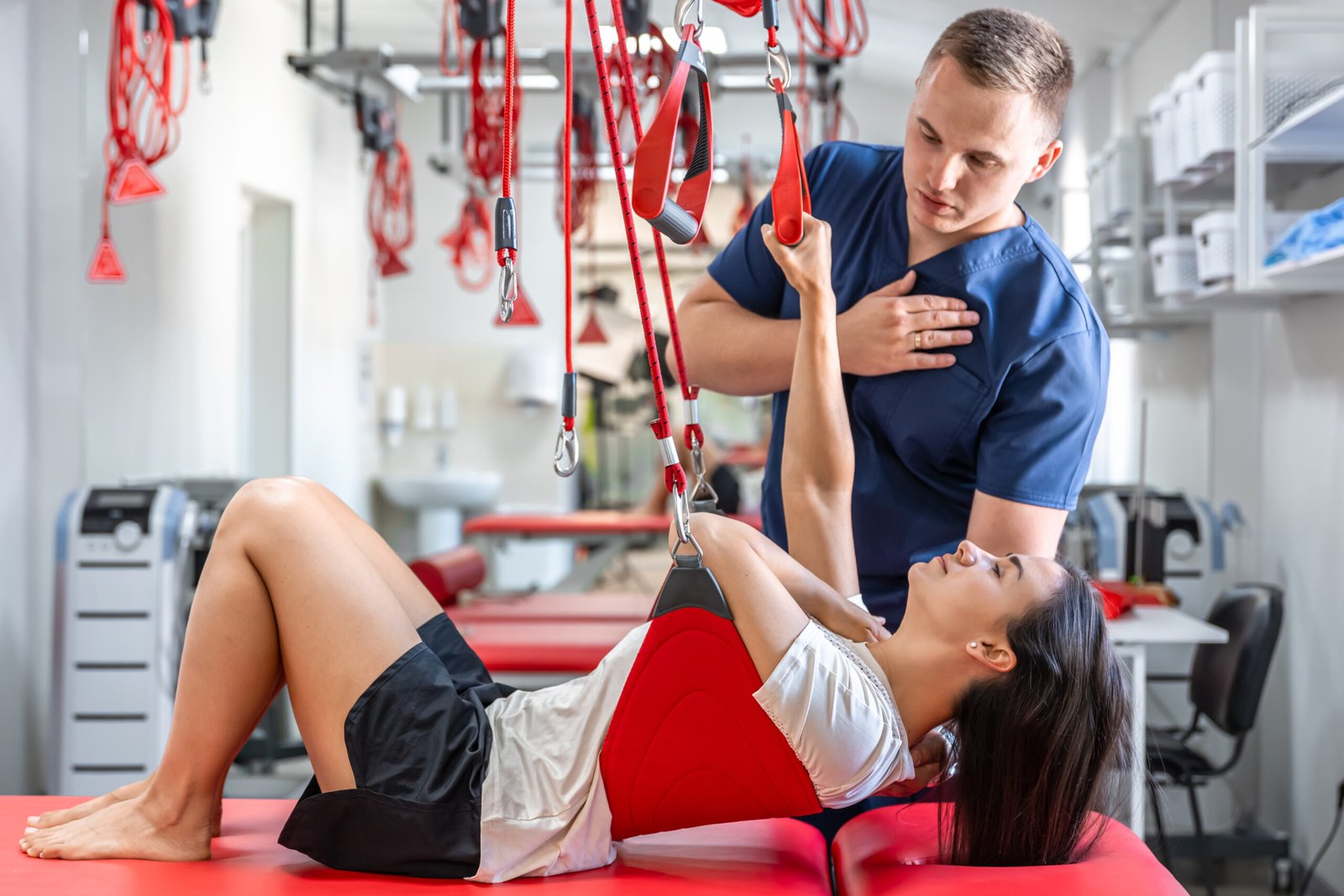
Physiotherapy is a healthcare profession that focuses on improving movement, reducing pain, restoring function, and preventing disability through physical methods. Physiotherapists treat patients who are suffering from:
- Sports injuries
- Back and neck pain
- Arthritis
- Stroke
- Neurological disorders
- Post-surgery recovery
- Orthopedic problems
Physiotherapists use exercises, manual therapy, electrotherapy, and rehabilitation techniques to help patients recover naturally.
Why Study Physiotherapy in Europe?
Europe is one of the best destinations for medical and healthcare education. Here are the main reasons why students choose Europe for physiotherapy studies:
1. High-Quality Education
European universities follow international standards and offer advanced practical training.
2. Global Recognition
European degrees are accepted worldwide, including India, UK, USA, Canada, and Australia.
3. Affordable Tuition Fees
Many European countries offer low-cost or free education compared to private colleges in India.
4. Practical Exposure
Students get hands-on clinical training in hospitals and rehabilitation centers.
5. International Career Opportunities
After graduation, students can work in Europe or any other country.
6. Multicultural Environment
You get exposure to different cultures, languages, and lifestyles.
Can You Study Physiotherapy in Europe After 12th?
Yes, many European universities offer Bachelor’s degree programs in Physiotherapy for students who have completed 12th grade.
These programs are usually called:
- Bachelor of Physiotherapy
- BSc in Physiotherapy
- Bachelor in Physical Therapy
- Bachelor in Rehabilitation Science
The course duration is usually 3 to 4 years.
Eligibility Criteria for Studying Physiotherapy in Europe
Although requirements may vary from country to country, general eligibility includes:
1. Educational Qualification
- Must have completed 12th grade (Science stream)
- Subjects required:
- Physics
- Chemistry
- Biology
- English
2. Minimum Percentage
- Usually 50% to 70% marks in PCB subjects
- Some universities accept lower percentages
3. English Language Requirement
If the course is in English, you may need:
- IELTS (5.5 to 6.5 bands)
- TOEFL (in some universities)
Some universities also accept students without IELTS if they studied English in school.
4. Medical Fitness
Students must submit a medical fitness certificate.
5. Age Limit
Generally, minimum age is 17 years.
Top European Countries for Physiotherapy Studies
1. Germany
Germany is famous for free or low-cost education.
Benefits:
- Very low tuition fees
- High-quality education
- Strong healthcare system
- Good job opportunities
Language:
- Most programs are in German
- Some universities offer English courses
Average Fees:
- €500 to €3,000 per year
2. Poland
Poland is one of the most popular destinations for Indian students.
Benefits:
- Affordable education
- English-taught programs
- Simple admission process
Language:
- English
Average Fees:
- €3,000 to €6,000 per year
3. Hungary
Hungary offers high-quality medical education.
Benefits:
- Recognized degrees
- Modern infrastructure
- English programs available
Language:
- English
Average Fees:
- €4,000 to €7,000 per year
4. Spain
Spain is becoming popular for healthcare studies.
Benefits:
- Good universities
- Pleasant lifestyle
- Strong sports physiotherapy sector
Language:
- Spanish and English
Average Fees:
- €3,000 to €5,000 per year
5. Italy
Italy offers public universities with low fees.
Benefits:
- Low-cost education
- Historical universities
- Research opportunities
Language:
- Italian and English
Average Fees:
- €1,000 to €4,000 per year
6. Czech Republic
Czech Republic is known for medical education.
Benefits:
- English programs
- Good clinical exposure
- Affordable living cost
Average Fees:
- €4,000 to €6,000 per year
Admission Process for Physiotherapy in Europe
Here is the step-by-step admission process:
Step 1: Research Universities
Find universities offering physiotherapy programs in English.
Step 2: Check Eligibility
Verify academic and language requirements.
Step 3: Prepare Documents
Required documents usually include:
- 10th and 12th mark sheets
- Passport
- Passport-size photos
- SOP (Statement of Purpose)
- Resume (if required)
- Medical certificate
- English proficiency certificate
Step 4: Apply Online
Apply through university portals or application systems.
Step 5: Get Offer Letter
If selected, you will receive an offer letter.
Step 6: Pay Tuition Fee
Pay initial or semester fees.
Step 7: Apply for Student Visa
Apply for a student visa at the embassy.
Step 8: Travel and Enrollment
After visa approval, travel and complete registration.
Course Structure of Physiotherapy in Europe
A Bachelor’s in Physiotherapy usually includes:
First Year
- Anatomy
- Physiology
- Biochemistry
- Medical Terminology
- Basic Physiotherapy
Second Year
- Pathology
- Pharmacology
- Exercise Therapy
- Electrotherapy
- Biomechanics
Third Year
- Orthopedics
- Neurology
- Cardio-Respiratory Therapy
- Sports Physiotherapy
- Rehabilitation
Fourth Year (If Applicable)
- Clinical Internship
- Research Project
- Practical Training
Cost of Studying Physiotherapy in Europe
Tuition Fees
Average range: €1,000 to €7,000 per year
Living Expenses
Depends on country and city:
- Rent: €200–€500/month
- Food: €150–€250/month
- Transport: €30–€70/month
- Other: €50–€100/month
Average living cost: €500 to €900 per month
Scholarships for Indian Students
Many European countries offer scholarships:
Government Scholarships
- National education grants
- Public university scholarships
University Scholarships
- Merit-based scholarships
- Need-based scholarships
Private Scholarships
- NGO and foundation programs
Scholarships can reduce tuition fees by 20% to 100%.
Work Opportunities During Study
Most European countries allow students to work part-time.
Part-Time Work
- 15 to 20 hours per week
- Cafes, stores, libraries, hospitals
Income
- €6 to €12 per hour (average)
This helps manage living expenses.
Career Scope After Physiotherapy in Europe
After graduation, you can work in:
- Hospitals
- Rehabilitation centers
- Sports academies
- Clinics
- Fitness centers
- Old-age homes
- Research institutions
Job Roles
- Physiotherapist
- Sports Therapist
- Rehabilitation Specialist
- Clinical Therapist
- Fitness Consultant
Salary in Europe
Average salary:
- Freshers: €20,000 – €30,000/year
- Experienced: €40,000 – €60,000/year
Can You Practice in India After Studying in Europe?
Yes, you can return to India and practice.
Steps:
- Get degree equivalence
- Register with Indian authorities
- Complete internship (if required)
- Start practice or job
European degrees are highly respected in India.
Advantages of Studying Physiotherapy in Europe
- International degree
- Advanced training
- Better job prospects
- High income potential
- Global exposure
- Strong professional network
Challenges You May Face
- Language barrier in some countries
- Cultural adjustment
- Cold weather
- Homesickness
- Initial financial pressure
With proper planning, these challenges can be managed easily.
Tips for Students Planning to Study Physiotherapy in Europe
- Start preparation early
- Improve English skills
- Choose accredited universities
- Learn basic local language
- Apply for scholarships
- Prepare finances properly
- Connect with seniors
- Focus on practical skills
Future Scope of Physiotherapy
The demand for physiotherapists is growing due to:
- Aging population
- Sports industry growth
- Lifestyle diseases
- Post-COVID rehabilitation
- Awareness about fitness
In the future, physiotherapy will be among the top healthcare careers globally.
Conclusion
Studying physiotherapy in Europe after 12th grade is an excellent choice for students who want international exposure, quality education, and strong career growth. European universities offer affordable education, advanced practical training, and globally recognized degrees.
With proper planning, dedication, and right guidance, you can build a successful career as a professional physiotherapist in Europe or anywhere in the world.
If you are passionate about helping people recover, improving physical health, and working in the healthcare sector, physiotherapy in Europe can be the perfect path for you.