
Study Physiotherapy in Europe in English: Fees and Career Scope – Complete Guide for Students
Study Physiotherapy in Europe in English
Physiotherapy is one of the fastest-growing healthcare professions worldwide. With increasing awareness about physical health, rehabilitation, and sports medicine, the demand for qualified physiotherapists is rising every year. Europe has become a popular destination for international students who want to study Physiotherapy in English at affordable fees with high-quality education.
This complete guide will help you understand everything about studying Physiotherapy in Europe in English, including eligibility, top countries, fees, admission process, career scope, and future opportunities.
Why Study Physiotherapy in Europe?
Studying Physiotherapy in Europe offers many advantages:
- High-quality education standards
- Globally recognized degrees
- Affordable tuition fees compared to the USA, UK, and Australia
- English-taught programs
- Advanced medical infrastructure
- International exposure
- Easy travel within Europe
- Strong career opportunities
European universities focus on practical training, research, and modern rehabilitation techniques, making graduates industry-ready.
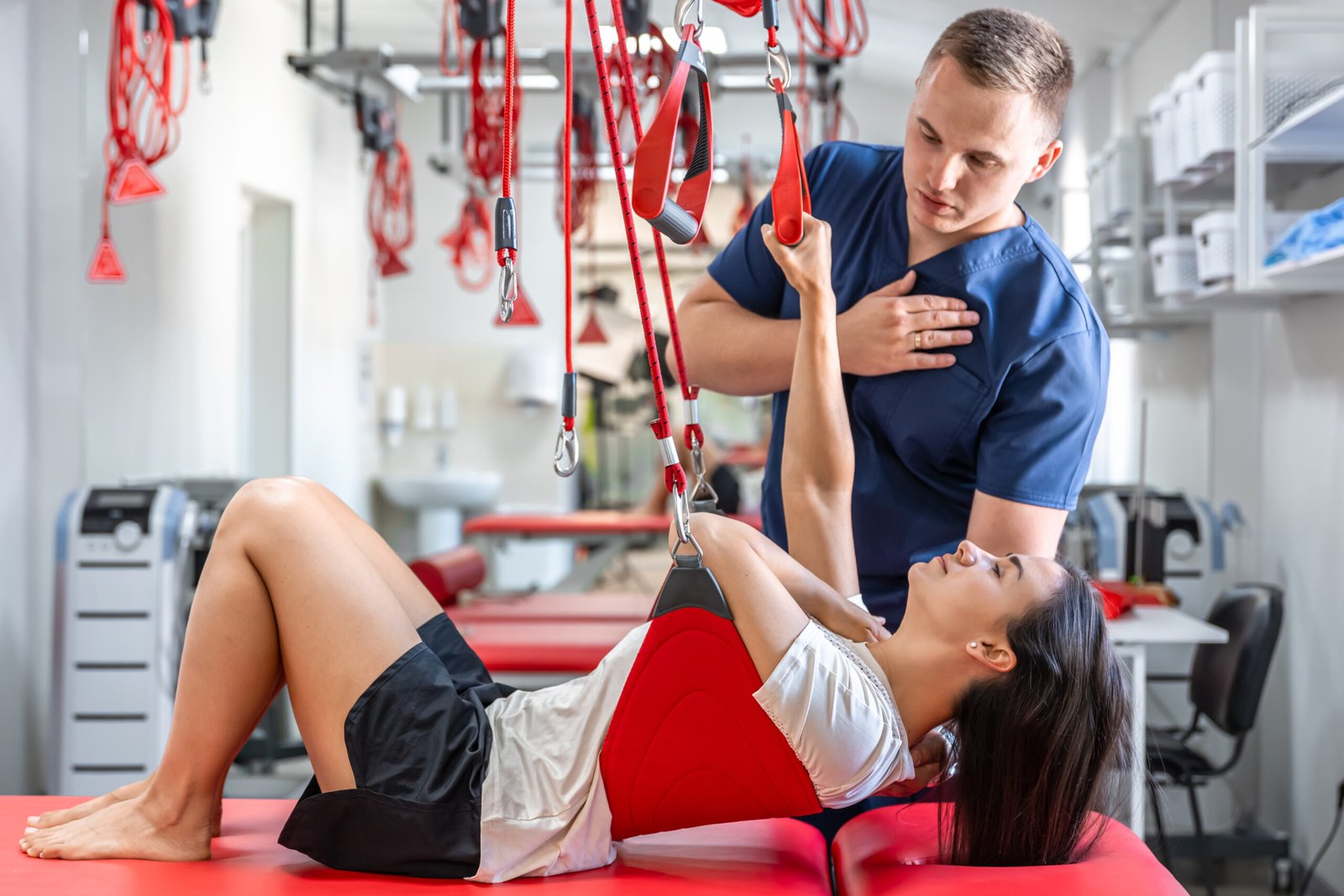
What is Physiotherapy?
Physiotherapy is a healthcare profession that focuses on improving movement, reducing pain, and restoring physical function. Physiotherapists treat patients with:
- Sports injuries
- Neurological disorders
- Orthopedic problems
- Post-surgery rehabilitation
- Chronic pain
- Stroke recovery
- Cardiac rehabilitation
They use exercises, manual therapy, electrotherapy, and modern equipment to help patients recover.
Types of Physiotherapy Programs in Europe
In Europe, students can study Physiotherapy at different levels:
1. Bachelor’s in Physiotherapy
- Duration: 3 to 4 years
- Focus: Basic medical sciences, anatomy, physiology, clinical training
- Suitable for: Students after 12th
2. Master’s in Physiotherapy
- Duration: 1.5 to 2 years
- Focus: Specialization and advanced practice
- Suitable for: BPT graduates
3. PhD in Physiotherapy
- Duration: 3 to 4 years
- Focus: Research and academic careers
Eligibility Criteria
For Bachelor’s Degree
- 12th pass with Science stream (PCB)
- Minimum 50% to 60% marks
- English proficiency (IELTS/TOEFL if required)
- Age: Usually 17+
For Master’s Degree
- Bachelor’s in Physiotherapy (BPT) or related field
- Minimum 55% to 60% marks
- English proficiency test
- Some universities require work experience
English Language Requirements
Most universities accept:
- IELTS: 6.0 – 6.5
- TOEFL: 80 – 90
- PTE: 50 – 60
Some universities offer admission without IELTS if you studied in English medium.
Top Countries to Study Physiotherapy in Europe in English
1. Germany
Germany is famous for affordable education and quality healthcare training.
- Tuition Fees: €0 – €3,000 per year
- Living Cost: €700 – €1,000/month
- Advantages: Public universities, strong medical system
- Note: Some programs require German language for clinical practice
2. Poland
Poland offers many English-taught Physiotherapy programs.
- Tuition Fees: €3,000 – €6,000 per year
- Living Cost: €500 – €800/month
- Advantages: Affordable, EU-recognized degrees
3. Hungary
Hungary is popular among medical and physiotherapy students.
- Tuition Fees: €4,000 – €7,000 per year
- Living Cost: €600 – €900/month
- Advantages: Modern universities, good clinical exposure
4. Lithuania
Lithuania provides low-cost English programs.
- Tuition Fees: €2,500 – €4,500 per year
- Living Cost: €400 – €700/month
- Advantages: Easy admission, safe environment
5. Spain
Spain offers quality education and lifestyle benefits.
- Tuition Fees: €3,000 – €8,000 per year
- Living Cost: €700 – €1,000/month
- Advantages: Strong healthcare system
6. Czech Republic
Czech Republic is known for medical education.
- Tuition Fees: €4,000 – €7,000 per year
- Living Cost: €500 – €800/month
Best Universities for Physiotherapy in Europe
Some reputed universities include:
- University of Hamburg (Germany)
- University of Warsaw (Poland)
- Semmelweis University (Hungary)
- Vilnius University (Lithuania)
- Charles University (Czech Republic)
- University of Barcelona (Spain)
Selection depends on eligibility, budget, and language requirements.
Admission Process Step-by-Step
Step 1: Research Universities
Check course details, fees, language requirements, and intake dates.
Step 2: Prepare Documents
- Academic transcripts
- Passport
- Statement of Purpose (SOP)
- CV (for Master’s)
- English test score
- Recommendation letters
Step 3: Apply Online
Submit applications through university portals.
Step 4: Receive Offer Letter
If selected, you will get a conditional or unconditional offer.
Step 5: Pay Fees
Pay initial tuition fees to confirm your seat.
Step 6: Apply for Visa
Submit documents at embassy/visa center.
Step 7: Travel and Enrollment
Reach Europe and complete registration.
Cost of Studying Physiotherapy in Europe
Tuition Fees (Average)
| Country | Annual Fees (Approx.) |
|---|---|
| Germany | €0 – €3,000 |
| Poland | €3,000 – €6,000 |
| Hungary | €4,000 – €7,000 |
| Lithuania | €2,500 – €4,500 |
| Spain | €3,000 – €8,000 |
Living Expenses
Average monthly expenses include:
- Accommodation: €200 – €500
- Food: €150 – €250
- Transport: €30 – €70
- Insurance: €20 – €50
- Miscellaneous: €50 – €100
Total: €400 – €900/month
Scholarships for Physiotherapy Students
Some popular scholarships include:
- Erasmus+ Program
- DAAD Scholarships (Germany)
- Government Scholarships
- University Merit Scholarships
- Private Foundations
Scholarships can reduce your financial burden significantly.
Career Scope After Physiotherapy in Europe
Physiotherapy graduates have excellent career opportunities.
Job Opportunities
You can work in:
- Hospitals
- Rehabilitation centers
- Sports clinics
- Private practice
- Elderly care homes
- Fitness centers
- Universities
- Research institutes
Popular Job Roles
- Clinical Physiotherapist
- Sports Physiotherapist
- Rehabilitation Specialist
- Neurological Therapist
- Orthopedic Therapist
- Pediatric Physiotherapist
- Lecturer

Salary After Physiotherapy in Europe
Average monthly salaries:
| Country | Salary Range |
|---|---|
| Germany | €2,500 – €4,000 |
| Poland | €1,500 – €2,500 |
| Hungary | €1,400 – €2,200 |
| Spain | €2,000 – €3,500 |
| Lithuania | €1,300 – €2,000 |
Salary depends on experience, location, and specialization.
License and Registration
To work as a Physiotherapist in Europe, you may need:
- Professional registration
- Language proficiency (local language)
- Credential evaluation
- Internship/Adaptation training
Each country has its own regulatory body.
Part-Time Work for Students
International students can work:
- 20 hours per week (during studies)
- Full-time during vacations
Common part-time jobs:
- Cafes
- Libraries
- Delivery services
- University offices
- Retail stores
This helps manage living expenses.
Advantages and Challenges
Advantages
- International degree
- High employability
- Advanced training
- Global exposure
- Migration opportunities
Challenges
- Language barriers
- Cultural adjustment
- Licensing procedures
- Academic pressure
Proper preparation helps overcome these challenges.
Tips for Successful Admission
- Apply early
- Improve English skills
- Prepare strong SOP
- Choose accredited universities
- Learn basic local language
- Maintain good academic records
Future Scope of Physiotherapy in Europe
With aging populations and rising lifestyle diseases, Physiotherapy demand will continue to grow. Future opportunities include:
- Sports rehabilitation
- Geriatric care
- Tele-physiotherapy
- Research and innovation
- Entrepreneurial clinics
The profession offers stability and long-term growth.
Frequently Asked Questions (FAQs)
Is Physiotherapy in Europe taught in English?
Yes, many universities offer full English-taught programs.
Can I study Physiotherapy without IELTS?
Some universities accept English-medium certificates.
Can I work after graduation?
Yes, with proper work permit and registration.
Is Europe better than India for Physiotherapy?
Europe offers better exposure, salary, and global recognition.
Can I return to India after studying in Europe?
Yes, after completing licensing procedures in India.
Conclusion
Studying Physiotherapy in Europe in English is an excellent choice for students who want quality education, affordable fees, and strong career prospects. Countries like Germany, Poland, Hungary, Lithuania, and Spain offer globally recognized programs with modern training facilities.
With proper planning, document preparation, and dedication, you can build a successful international career in Physiotherapy. Start early, choose wisely, and invest in your future today.
If you want help with university selection, admission, or visa guidance, you can consult a professional education advisor.