
Top Universities for Physiotherapy in Europe: A Complete Guide for Students
Top Universities for Physiotherapy in Europe
Physiotherapy is one of the fastest-growing healthcare professions in the world. With increasing awareness about physical rehabilitation, sports injuries, and elderly care, the demand for skilled physiotherapists is rising rapidly. Europe has become one of the most preferred destinations for students who want to study physiotherapy due to its high-quality education system, globally recognized degrees, advanced research facilities, and affordable tuition in many countries.
This complete guide is specially written for international students who are planning to pursue a Bachelor’s or Master’s degree in Physiotherapy in Europe. In this blog, you will learn about the best universities, admission requirements, fees, language requirements, career opportunities, and tips for choosing the right university.
Why Study Physiotherapy in Europe?
Europe is home to some of the oldest and most respected universities in the world. Studying physiotherapy in Europe offers several advantages:
1. High Academic Standards
European universities follow strict academic and professional standards. Most physiotherapy programs are accredited and recognized internationally.
2. Practical Training
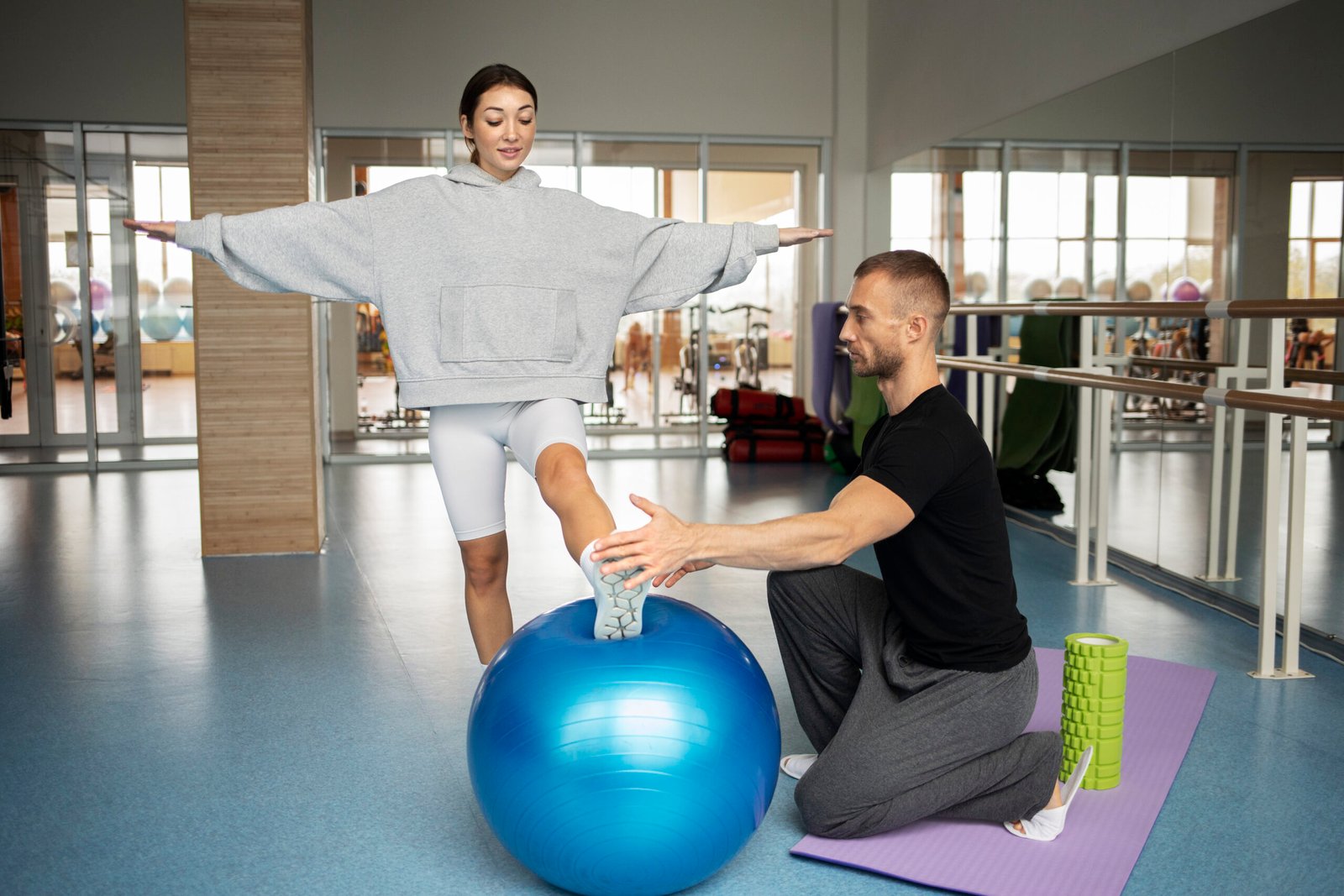
Students get extensive clinical exposure through hospitals, rehabilitation centers, and sports clinics. Practical learning is a major part of physiotherapy education in Europe.
3. Affordable Education
Many European countries offer low-cost or even free education for international students, especially in public universities.
4. International Recognition
European degrees are accepted worldwide, making it easier to work in different countries after graduation.
5. Multicultural Environment
Europe attracts students from all over the world. Studying here helps you build global connections and cultural understanding.
What is Physiotherapy?
Physiotherapy is a healthcare profession focused on improving movement, reducing pain, restoring function, and preventing physical disabilities. Physiotherapists work with patients suffering from:
- Sports injuries
- Neurological disorders
- Orthopedic problems
- Cardiac conditions
- Post-surgery rehabilitation
- Chronic pain
Physiotherapists use techniques such as exercise therapy, manual therapy, electrotherapy, and patient education.
Types of Physiotherapy Programs in Europe
1. Bachelor’s Degree in Physiotherapy
- Duration: 3 to 4 years
- Suitable for students after 12th grade
- Includes theory, labs, and clinical training
2. Master’s Degree in Physiotherapy
- Duration: 1.5 to 2 years
- For students with a Bachelor’s degree
- Offers specialization in areas like sports, neurology, pediatrics, and orthopedics
3. Doctoral Programs (PhD)
- Duration: 3 to 4 years
- For research and academic careers
Top Universities for Physiotherapy in Europe
Below are some of the best universities in Europe known for physiotherapy education.
1. Karolinska Institute – Sweden
Karolinska Institute is one of the most prestigious medical universities in the world.
Key Features:
- Strong focus on medical research
- Modern laboratories and hospitals
- International reputation
Programs Offered:
- Bachelor in Physiotherapy
- Master in Physiotherapy
Average Tuition Fees:
- Moderate for international students
Language:
- English and Swedish
2. University of Birmingham – United Kingdom
The University of Birmingham is well-known for health sciences and rehabilitation programs.
Key Features:
- Excellent teaching quality
- Strong industry connections
- Advanced clinical facilities
Programs Offered:
- BSc Physiotherapy
- MSc Physiotherapy
Language:
- English
3. KU Leuven – Belgium
KU Leuven is one of the oldest and most respected universities in Europe.
Key Features:
- Research-focused education
- High global rankings
- Strong healthcare network
Programs Offered:
- Master of Rehabilitation Sciences and Physiotherapy
Language:
- English
4. University of Amsterdam – Netherlands
The Netherlands is famous for high-quality English-taught programs.
Key Features:
- Innovative teaching methods
- International environment
- Strong healthcare partnerships
Programs Offered:
- Physiotherapy and Rehabilitation Sciences
Language:
- English
5. University of Copenhagen – Denmark
The University of Copenhagen offers strong medical and rehabilitation programs.
Key Features:
- World-class faculty
- Research-based curriculum
- Advanced healthcare system
Programs Offered:
- Physiotherapy-related programs
Language:
- English and Danish
6. University of Barcelona – Spain
Spain is becoming popular among international students due to affordable education.
Key Features:
- Low tuition fees
- Mediterranean lifestyle
- Modern campuses
Programs Offered:
- Bachelor and Master in Physiotherapy
Language:
- Spanish and English

7. University of Milan – Italy
Italy offers quality education at low cost in public universities.
Key Features:
- Affordable fees
- Rich academic history
- Strong medical sector
Programs Offered:
- Physiotherapy Programs
Language:
- Italian and English
8. University of Vienna – Austria
Austria is known for its strong public education system.
Key Features:
- Low tuition fees
- High living standards
- Good clinical exposure
Programs Offered:
- Physiotherapy and Rehabilitation
Language:
- German and English
9. Trinity College Dublin – Ireland
Trinity College is one of Europe’s top-ranked universities.
Key Features:
- Strong academic reputation
- Excellent research facilities
- Good job opportunities
Programs Offered:
- Physiotherapy Programs
Language:
- English
10. University of Heidelberg – Germany
Germany is famous for free or low-cost education.
Key Features:
- No or low tuition fees
- High-quality medical education
- Strong industry links
Programs Offered:
- Physiotherapy and Rehabilitation Sciences
Language:
- German and English
Admission Requirements
Admission requirements may vary by university and country, but generally include:
For Bachelor’s Programs:
- 12th-grade certificate (Science stream preferred)
- Biology, Physics, and Chemistry background
- Minimum academic percentage
- Language proficiency
For Master’s Programs:
- Bachelor’s degree in Physiotherapy or related field
- Academic transcripts
- Statement of Purpose
- Recommendation letters
- Language test scores
Language Requirements
Most European universities require proof of language proficiency.
English-Taught Programs:
- IELTS: 6.0 – 7.0
- TOEFL: 80 – 100
Local Language Programs:
- German, Spanish, French, or Italian proficiency
- Language certificates may be required
Tuition Fees and Living Costs
Tuition Fees (Approximate):
- Germany, Austria, Norway: Very low or free
- Netherlands, Sweden, Denmark: Moderate
- UK, Ireland: High
Living Costs per Month:
- Germany: Moderate
- Netherlands: Moderate
- UK: High
- Spain, Italy: Low to Moderate
- Scandinavia: High
Scholarships for Physiotherapy Students
Many European countries offer scholarships for international students.
Common Types:
- Government scholarships
- University-based scholarships
- Merit-based scholarships
- Need-based financial aid
Scholarships can reduce tuition fees and living expenses significantly.
Career Opportunities After Physiotherapy in Europe
After completing your degree, you can work in various sectors:
Employment Areas:
- Hospitals
- Rehabilitation centers
- Sports clinics
- Fitness centers
- Elderly care homes
- Private practice
Job Roles:
- Clinical Physiotherapist
- Sports Physiotherapist
- Neurological Therapist
- Orthopedic Specialist
- Research Assistant
Average Salary:
- Entry Level: Moderate
- Experienced Professionals: High
Salaries depend on country, experience, and specialization.
Work Opportunities for International Students
Most European countries allow students to work part-time during studies.
Benefits:
- Helps manage expenses
- Provides work experience
- Improves communication skills
After graduation, many countries offer post-study work visas.
How to Choose the Right University?
Before applying, consider the following factors:
1. Accreditation
Ensure the university is recognized by health and education authorities.
2. Language of Instruction
Choose a program you are comfortable with.
3. Tuition and Living Costs
Select according to your budget.
4. Clinical Training
Check internship and hospital tie-ups.
5. Career Support
Look for universities with good placement services.
Application Process
The general application process includes:
- Shortlist universities
- Check eligibility
- Prepare documents
- Submit online application
- Attend interview (if required)
- Receive offer letter
- Apply for visa
Student Visa Requirements
Although requirements vary, most countries ask for:
- Admission letter
- Valid passport
- Financial proof
- Medical insurance
- Accommodation details
Challenges of Studying Physiotherapy in Europe
While Europe offers many benefits, students may face some challenges:
- Language barriers
- Cultural differences
- High living costs in some countries
- Competitive admissions
Proper preparation can help overcome these challenges.
Tips for International Students
- Start preparation early
- Improve language skills
- Build a strong academic profile
- Gain volunteer experience
- Attend counseling sessions
- Apply to multiple universities
Future Scope of Physiotherapy
The demand for physiotherapists is increasing globally due to:
- Aging population
- Rise in lifestyle diseases
- Growth in sports industry
- Increased awareness of rehabilitation
Physiotherapy offers stable career growth and international mobility.
Frequently Asked Questions (FAQs)
Is physiotherapy in Europe recognized worldwide?
Yes, most European degrees are globally accepted.
Can I study physiotherapy in English?
Yes, many universities offer English-taught programs.
Is NEET required for Europe?
Generally, NEET is not mandatory for most European countries.
Can I work after graduation?
Yes, many countries allow post-study work.
Which country is best for low-cost education?
Germany, Austria, and Italy are popular for affordable education.
Conclusion
Studying physiotherapy in Europe is an excellent choice for students who want quality education, international exposure, and strong career opportunities. With world-class universities, modern healthcare systems, and globally recognized degrees, Europe provides a solid foundation for a successful physiotherapy career.
By choosing the right university, preparing well for admission, and staying focused on your goals, you can build a rewarding future in the field of physiotherapy.
If you are serious about becoming a professional physiotherapist, Europe can be the perfect destination to turn your dreams into reality.