
Choosing to pursue a Plumber Ausbildung in Germany is a smart career decision for anyone looking for long-term stability, technical expertise, and a respected profession. Germany is one of the leading destinations for vocational education, offering structured training programs that combine theory with hands-on work experience. The Ausbildung system is recognized worldwide for producing highly skilled tradespeople who enjoy excellent job security and attractive salaries.
If you are from India and want to apply for a plumber apprenticeship (Ausbildung) in Germany, there are certain qualifications, language requirements, and steps you need to understand before beginning your journey. This blog will guide you through every detail — from educational eligibility to visa procedures, benefits, and job prospects — to help you plan your pathway to becoming a certified plumber in Germany.
Understanding the Plumber Ausbildung Program in Germany
The Plumber Ausbildung (also known as Anlagenmechaniker für Sanitär-, Heizungs- und Klimatechnik) is a dual training program that typically lasts 3 to 3.5 years. It is a combination of classroom instruction at a vocational school (Berufsschule) and practical training at a company (Ausbildungsbetrieb).
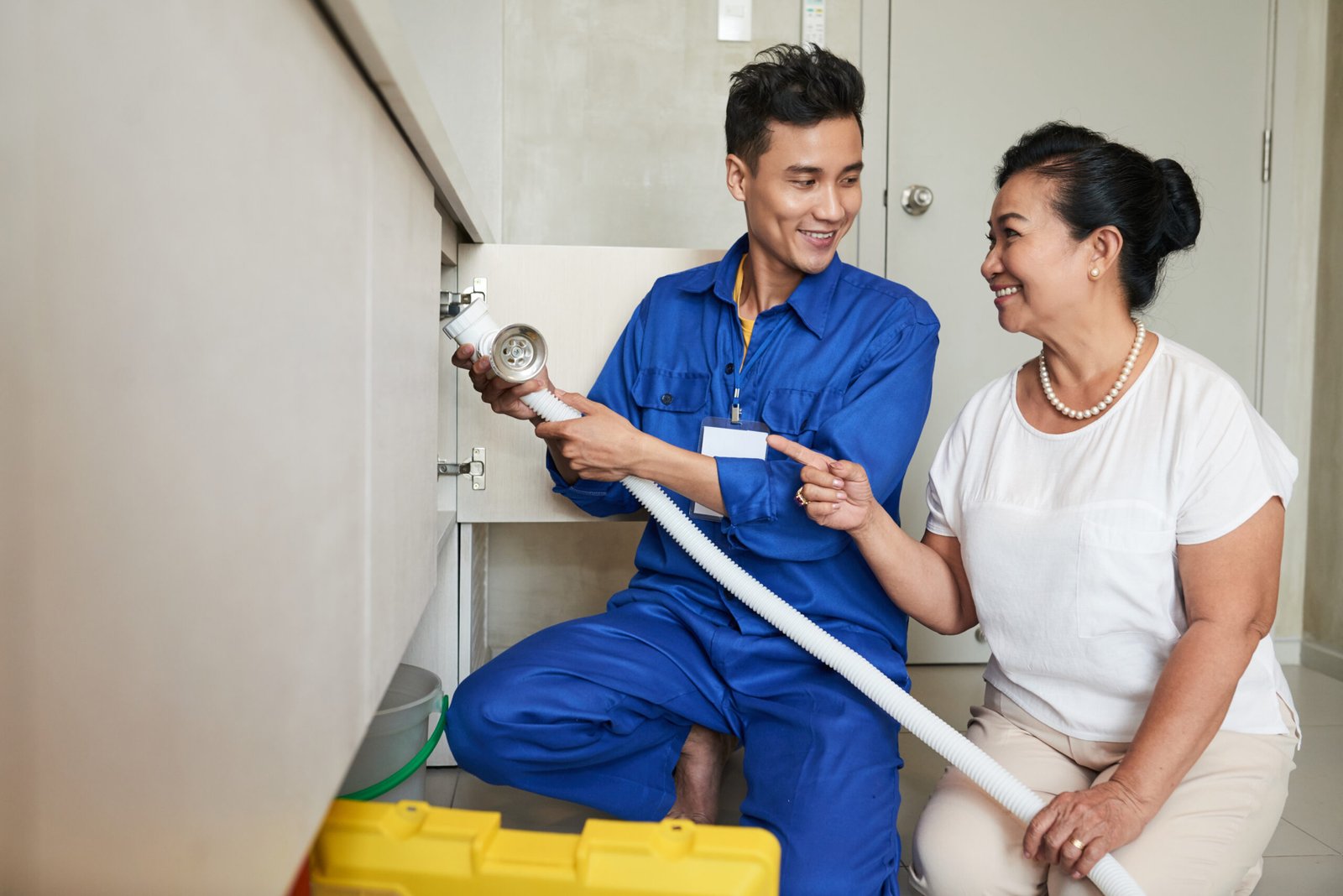
During this training, apprentices learn everything about installing, maintaining, and repairing water supply systems, heating systems, gas lines, ventilation, and sanitary installations. You will also develop skills in reading blueprints, using technical tools, and adhering to German safety and environmental standards.
By the end of the program, trainees become certified technicians, ready to work in Germany’s booming construction and maintenance sectors.
Why Choose a Plumber Ausbildung in Germany?
Before diving into the qualifications, it’s important to understand why this program is such a valuable opportunity.
- Zero Tuition Fees: Ausbildung programs are funded by the German government and the training company, which means you do not pay tuition fees.
- Earn While You Learn: Apprentices receive a monthly stipend ranging between €900 to €1,200 during training.
- Secure Career Path: Germany faces a shortage of skilled plumbers, ensuring steady job opportunities after graduation.
- Permanent Residency Option: After completing the program and gaining work experience, you can apply for permanent residency.
- International Recognition: A German vocational qualification is highly respected globally.

Educational Qualifications Required for Plumber Ausbildung from India
The basic qualification to apply for an Ausbildung program is not overly complex, but applicants must meet specific educational standards to be considered eligible.
1. Minimum Academic Requirement
To apply for a Plumber Ausbildung from India, you must have completed at least 10th or 12th grade from a recognized Indian board.
- After 10th (Secondary Education): Some German companies accept students who have completed their 10th standard, especially if they possess strong technical interest or experience in plumbing, mechanical, or construction fields.
- After 12th (Senior Secondary): Most training companies prefer candidates who have finished their 12th grade with subjects like Physics, Mathematics, or Science.
Having a technical background or diploma (ITI or Polytechnic) related to plumbing, mechanical, or civil trades significantly increases your chances of selection.
2. Good Academic Record
Although there is no strict grade requirement, maintaining a minimum of 50% aggregate is generally advisable. Some companies may expect higher grades if the program is competitive.
3. German Language Proficiency
One of the most important qualifications for Ausbildung applicants is German language fluency. All training programs are conducted in German, and interaction with colleagues, trainers, and clients happens in German as well.
You must achieve at least:
- B1 Level (Intermediate) in the German language, certified by recognized institutions such as Goethe-Institut, Telc, or TestDaF.
In some cases, B2 level proficiency may be required by certain employers or chambers of commerce.
4. Age Requirement
Most Ausbildung companies prefer applicants aged 18 to 30 years. If you’re under 18, you may need parental consent; if you’re over 30, you might still apply but may face visa or sponsorship limitations.
5. Health and Character Certificates
Applicants must also provide:
- A medical certificate proving physical fitness to perform plumbing tasks (as the work can be physically demanding).
- A police clearance certificate confirming good conduct and no criminal background.
6. Motivation Letter and CV
German employers highly value your motivation to learn and work. Your application must include:
- A professional CV (Lebenslauf) in the German format.
- A Motivation Letter (Anschreiben) explaining why you want to become a plumber and why you chose Germany.
This document is crucial — it shows your seriousness, passion, and willingness to integrate into the German system.
Step-by-Step Process to Apply for Plumber Ausbildung from India
To successfully apply, you’ll need to go through several stages. Here’s a clear roadmap:
Step 1: Learn German
Before applying, start your German language training in India through certified institutes or online platforms. Aim for B1 level as a minimum before application.
Step 2: Prepare Documents
You’ll need to gather and translate (into German) all essential documents:
- 10th/12th certificates and transcripts
- Passport
- Birth certificate
- German language certificate
- Resume and motivation letter
- Medical and police clearance certificates
All translations must be done by a certified translator.
Step 3: Find an Ausbildung Program
Search for training companies offering plumber apprenticeships (Anlagenmechaniker SHK). You can explore:
- Ausbildung portals
- German Chamber of Crafts (Handwerkskammer)
- Job portals for skilled trades
Once you find a suitable company, send your application with all required documents.
Step 4: Attend Interviews
If shortlisted, you may be invited for an interview (usually online). Employers assess your communication skills, motivation, and understanding of the trade.
Step 5: Get the Offer Letter and Contract
Once accepted, you will receive an Ausbildungsvertrag (training contract), which outlines your stipend, work hours, leave, and duration.
Step 6: Apply for the Visa
Apply for a German National Visa (D type) at the nearest German Embassy or Consulate in India. Submit your training contract and other supporting documents.
Step 7: Travel to Germany and Begin Training
Once your visa is approved, you can travel to Germany, register your address (Anmeldung), and officially begin your plumber training.
Skills You Will Learn During the Plumber Ausbildung
During your 3-year program, you’ll acquire both theoretical and practical skills, including:
- Installation of plumbing systems: Fitting pipes, water heaters, faucets, and drainage systems.
- Heating and cooling systems: Setting up heating boilers, radiators, and air-conditioning units.
- Maintenance and repair: Diagnosing leaks, repairing systems, and ensuring efficiency.
- Energy efficiency systems: Working with modern water-saving and eco-friendly technologies.
- Technical drawing interpretation: Understanding construction blueprints and schematics.
- Customer service and communication: Explaining technical information clearly to clients.
This comprehensive skill set prepares you for a wide range of roles after your Ausbildung.
Duration and Structure of the Program
The Plumber Ausbildung program lasts 3 to 3.5 years and follows the dual education system.
- Vocational School (1-2 days/week): You’ll learn theory — plumbing science, safety standards, environmental protection, and German labor laws.
- On-the-job Training (3-4 days/week): You’ll apply your skills directly under the supervision of skilled professionals at your training company.
At the end of training, you’ll take a final examination (Gesellenprüfung) conducted by the Chamber of Crafts (Handwerkskammer). Successfully passing this test makes you a certified tradesperson.
Average Stipend During Ausbildung
The exact monthly pay depends on the company, location, and year of training. However, plumbers in Ausbildung generally earn:
| Year of Training | Average Monthly Salary (€) |
|---|---|
| 1st Year | 900 – 1,000 |
| 2nd Year | 1,000 – 1,100 |
| 3rd Year | 1,100 – 1,200 |
These figures can vary slightly depending on your region and employer. Additionally, you may receive other benefits like paid leave, insurance, and travel allowance.
Cost of Living During Ausbildung
While your training is paid, you should be prepared for monthly living expenses such as:
- Accommodation: €350 – €600
- Food: €150 – €250
- Transportation: €50 – €80
- Health insurance and personal expenses: €100 – €150
With careful budgeting, your stipend can cover most of these costs.
Career Opportunities After Plumber Ausbildung in Germany
Upon successful completion, a wide range of career paths open up for you. Some popular options include:
1. Work as a Certified Plumber
You can work with construction companies, maintenance firms, or independent contractors.
2. Master Craftsman (Meisterbrief)
After gaining a few years of experience, you can complete the Meister qualification, which allows you to train apprentices, open your own plumbing business, or take supervisory roles.
3. Specialized Roles
You can specialize in heating technology, renewable energy systems, or sanitary installation design.
4. Work in Other EU Countries
Once qualified, you can easily move to other EU nations for work opportunities due to mutual recognition of German qualifications.
5. Permanent Residency
After completing your Ausbildung and working for two years, you can apply for a permanent residence permit, making Germany your long-term career home.
Benefits of Doing Plumber Ausbildung in Germany for Indian Students
- Practical Experience: Learn directly in real working environments.
- Financial Stability: Earn a salary from day one.
- Cultural Exposure: Experience European work ethics and high living standards.
- Career Growth: The demand for skilled plumbers is continuously rising.
- Pathway to Europe: Opportunity to settle or work across the EU.
Challenges You Might Face
While the program offers tremendous opportunities, there are a few challenges to be prepared for:
- Language Barrier: Daily communication and coursework are in German; strong language skills are crucial.
- Cultural Adjustment: Work culture and lifestyle in Germany differ from India.
- Physical Workload: Plumbing involves physically demanding tasks.
- Weather Conditions: Cold climates may be challenging during outdoor work.
With preparation and determination, these challenges can be easily overcome.
Tips to Increase Your Chances of Selection
- Start German Early: The sooner you begin learning, the better your confidence during interviews.
- Gain Basic Technical Experience: Even a short internship or ITI training in plumbing helps.
- Craft a Strong Motivation Letter: Highlight your passion for technical work and your long-term career vision.
- Be Professional in Communication: German employers appreciate punctuality, honesty, and discipline.
- Work with a Trusted Consultancy: Professional guidance helps avoid application mistakes and improves your success rate.
Future Scope for Indian Students After Plumber Ausbildung
Germany is facing a shortage of over 250,000 skilled tradespeople, and plumbers are in particularly high demand. After completing your Ausbildung, your future options are extremely promising:
- Job Opportunities: Abundant openings across construction, housing, and industrial sectors.
- Salary Growth: After completion, certified plumbers earn between €2,800 – €3,500 per month, depending on experience.
- Permanent Settlement: Opportunity to apply for Blue Card or Permanent Residency.
- Entrepreneurship: You can establish your own plumbing service or maintenance company in Germany.
Conclusion
Pursuing a Plumber Ausbildung in Germany from India is an incredible opportunity for those who prefer practical, hands-on work and wish to build a strong international career. The program offers financial independence, professional growth, and the chance to live in one of the world’s most advanced countries.
To qualify, focus on completing your 10th or 12th education, achieving at least B1 level German proficiency, and preparing all necessary documents professionally. With dedication, the right guidance, and strong motivation, you can start your journey toward becoming a certified plumber in Germany — a career that promises both stability and respect.