
Study Healthcare Courses in Europe After High School: Complete Guide for Students
Healthcare is one of the fastest-growing and most respected fields in the world. Many students dream of becoming doctors, nurses, pharmacists, physiotherapists, or healthcare managers. If you have just completed high school and are thinking about studying healthcare abroad, Europe is one of the best destinations.
Europe offers world-class education, modern medical training, internationally recognized degrees, and affordable tuition fees compared to many other countries. Many universities in Europe provide healthcare programs in English, making it easier for international students to study and build a global career.
In this complete guide, you will learn everything about studying healthcare courses in Europe after high school, including the best countries, popular programs, admission requirements, costs, scholarships, and career opportunities.
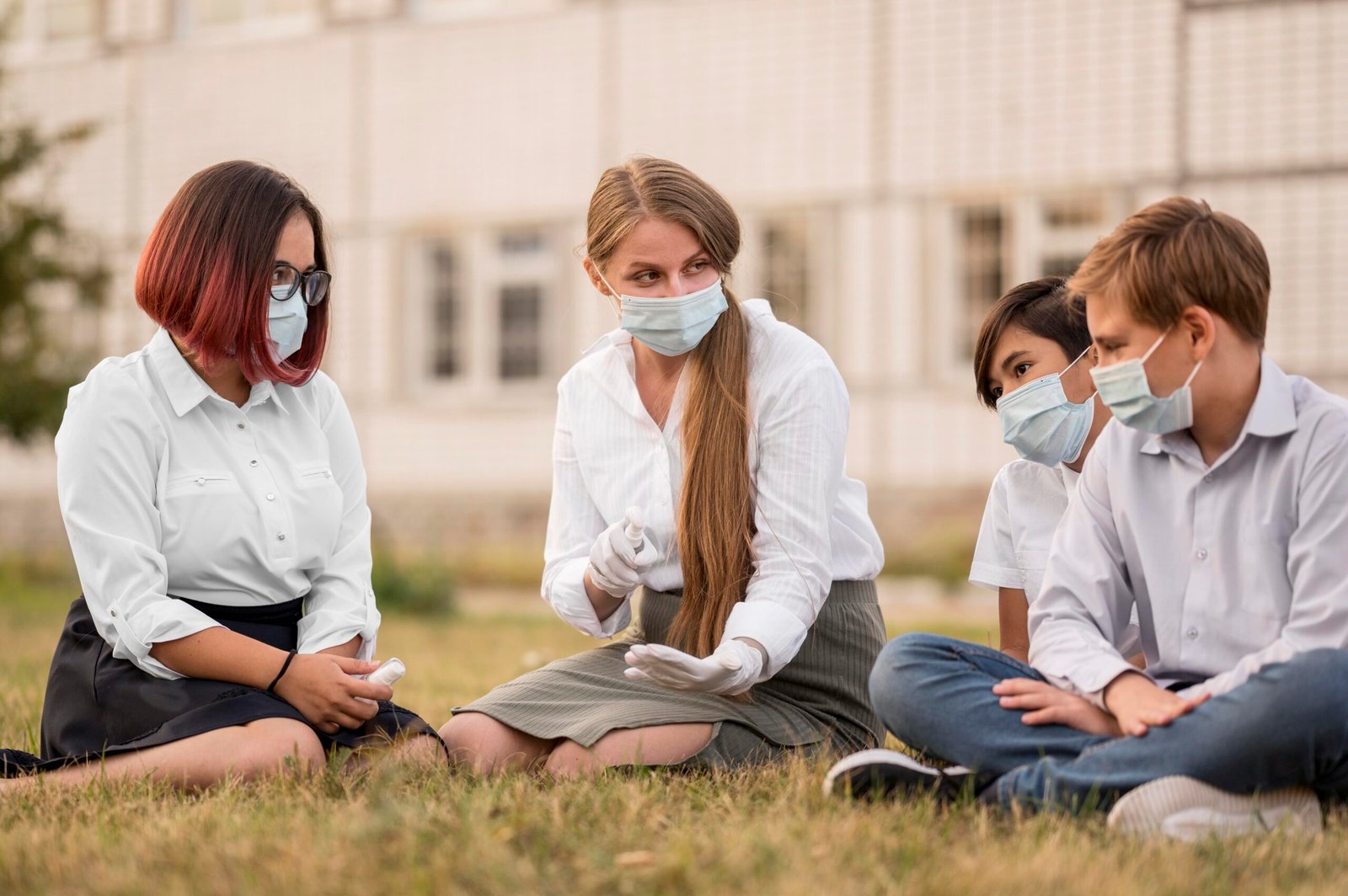
Why Study Healthcare Courses in Europe?
Europe has a long history of excellence in medical education. Many universities are globally ranked and offer advanced research facilities, clinical training, and international exposure.
Here are some major reasons why students choose Europe for healthcare studies.
1. Globally Recognized Degrees
Healthcare degrees from European universities are recognized worldwide. Many graduates go on to work in hospitals, clinics, research centers, and healthcare organizations across different countries.
2. Affordable Tuition Fees
Compared to countries like the USA or Australia, many European universities offer healthcare programs at lower tuition fees. Some public universities even provide free or low-cost education for international students.
3. High Quality Medical Education
European healthcare programs focus on practical training, clinical exposure, and modern healthcare technologies. Students gain real experience in hospitals and healthcare institutions during their studies.
4. English-Taught Programs
Many universities in Europe offer healthcare courses in English, so international students do not need to learn the local language before starting their degree.
5. Cultural Diversity
Europe attracts students from all over the world. Studying there allows students to meet people from different cultures, expand their network, and gain international experience.
6. Career Opportunities
Europe has a strong healthcare system and a growing demand for healthcare professionals. After graduation, students can explore job opportunities in hospitals, clinics, research labs, and pharmaceutical companies.
Popular Healthcare Courses in Europe After High School
Students can choose from many healthcare programs depending on their interests and career goals.
Medicine (MBBS / MD Equivalent)
Medicine is one of the most popular healthcare courses in Europe. The program usually lasts 5 to 6 years and includes both theoretical learning and clinical training.
Students study subjects like:
- Human anatomy
- Physiology
- Pathology
- Pharmacology
- Medical ethics
- Clinical practice
Graduates can become doctors, surgeons, or medical specialists after completing further training.
Nursing
Nursing programs are highly respected in Europe and focus on patient care, healthcare management, and clinical practice.
Typical subjects include:
- Patient care techniques
- Medical ethics
- Healthcare communication
- Clinical nursing practice
- Emergency care
Graduates can work in hospitals, healthcare centers, rehabilitation facilities, and community health services.
Pharmacy
Pharmacy programs teach students about medicines, drug development, and pharmaceutical sciences.
Students learn about:
- Pharmacology
- Medicinal chemistry
- Drug formulation
- Clinical pharmacy
- Pharmaceutical technology
Pharmacy graduates can work in pharmaceutical companies, hospitals, research laboratories, and drug manufacturing industries.
Physiotherapy
Physiotherapy focuses on physical rehabilitation and improving mobility for patients with injuries or medical conditions.
Subjects include:
- Human movement science
- Rehabilitation techniques
- Sports injury therapy
- Orthopedic physiotherapy
- Neurological rehabilitation
Graduates can work in hospitals, sports clinics, rehabilitation centers, and fitness institutions.
Public Health
Public health programs focus on improving community health and preventing diseases.
Students study topics such as:
- Epidemiology
- Health policy
- Disease prevention
- Global health management
- Health promotion strategies
Graduates can work with international health organizations, NGOs, and government health departments.
Biomedical Sciences
Biomedical science is ideal for students interested in medical research and laboratory work.
Subjects include:
- Molecular biology
- Genetics
- Biochemistry
- Medical laboratory science
- Immunology
Graduates often work in research institutions, laboratories, pharmaceutical companies, and biotechnology firms.
Best Countries in Europe for Healthcare Studies
Several European countries are popular among international students who want to study healthcare.
Germany
Germany is known for its high-quality education system and strong healthcare infrastructure.
Key benefits include:
- Low or free tuition fees at public universities
- Advanced medical research facilities
- Excellent hospital training programs
Many universities offer healthcare courses in English.
Poland
Poland has become a popular destination for medical studies because of affordable tuition fees and English-taught programs.
Advantages include:
- Modern medical universities
- Globally recognized degrees
- Lower living costs compared to Western Europe
Hungary
Hungary is well known for its medical education and attracts thousands of international students every year.
Benefits include:
- English-language medical programs
- Strong clinical training
- High academic standards
Italy
Italy offers high-quality medical education and a rich cultural experience.
Highlights include:
- International medical programs
- Affordable tuition fees
- Beautiful historic cities and campuses
Netherlands
The Netherlands offers modern healthcare education and excellent research facilities.
Benefits include:
- English-taught healthcare programs
- Innovative teaching methods
- Strong international reputation
Admission Requirements for Healthcare Courses in Europe
Admission requirements vary depending on the country and university, but most healthcare programs have similar basic criteria.
High School Qualification
Students must complete high school with strong grades in science subjects such as:
- Biology
- Chemistry
- Physics
Some universities may also require mathematics.
English Language Proficiency
If the program is taught in English, students must prove their language proficiency through tests like:
- IELTS
- TOEFL
Some universities may accept other English language certificates.
Entrance Exams
Certain medical programs require entrance exams to evaluate a student’s knowledge of science subjects.
These exams may test:
- Biology
- Chemistry
- Physics
- Logical reasoning
Personal Statement
Many universities ask students to submit a personal statement explaining why they want to study healthcare and their career goals.
Interview
Some universities conduct interviews to assess a student’s motivation, communication skills, and understanding of the healthcare profession.
Cost of Studying Healthcare in Europe
The cost of studying healthcare in Europe depends on the country, university, and program.
Tuition Fees
Healthcare programs can cost approximately:
- €3,000 to €15,000 per year in many European universities
- Higher fees for specialized medical programs
Public universities often have lower tuition fees than private institutions.
Living Expenses
Students should also consider living expenses such as:
- Accommodation
- Food
- Transportation
- Health insurance
- Study materials
On average, students may need around €700 to €1200 per month depending on the country and city.
Scholarships for Healthcare Students in Europe
Many universities and organizations offer scholarships to help international students reduce their education costs.
Scholarships may cover:
- Tuition fees
- Living expenses
- Travel costs
- Study materials
Students should check scholarship opportunities offered by universities, government programs, and international education organizations.
Application Process for Healthcare Courses in Europe
Applying to a healthcare program in Europe usually involves several steps.
Step 1: Research Universities
Students should research universities that offer healthcare programs in English and match their academic goals.
Step 2: Prepare Documents
Common documents include:
- High school transcripts
- Passport copy
- English language test results
- Personal statement
- Recommendation letters
Step 3: Submit Application
Applications are usually submitted through university websites or centralized admission systems.
Step 4: Receive Admission Offer
If accepted, the university sends an offer letter confirming the student’s admission.
Step 5: Apply for Student Visa
International students must apply for a student visa to study in Europe.
Visa requirements may include:
- Admission letter
- Financial proof
- Health insurance
- Accommodation details
Career Opportunities After Studying Healthcare in Europe
Healthcare graduates have many career opportunities around the world.
Some popular career paths include:
- Doctor
- Nurse
- Pharmacist
- Physiotherapist
- Medical researcher
- Public health specialist
- Healthcare administrator
- Biomedical scientist
Healthcare professionals are in high demand globally, making this field one of the most secure and rewarding career options.
Advantages of Studying Healthcare Abroad
Studying healthcare in Europe offers many long-term benefits.
Global Career Opportunities
Graduates gain international qualifications that open job opportunities in many countries.
Advanced Medical Training
European universities provide modern healthcare facilities and research opportunities.
Personal Growth
Living in another country helps students develop independence, cultural awareness, and global communication skills.
Networking Opportunities
Students meet professors, doctors, researchers, and fellow students from around the world, building valuable professional connections.
Tips for Students Planning to Study Healthcare in Europe
Here are some helpful tips for students preparing to study healthcare abroad.
Start Research Early
Begin researching universities, programs, and admission requirements at least one year before applying.
Focus on Science Subjects
Strong grades in biology, chemistry, and physics increase your chances of getting accepted into healthcare programs.
Prepare for Language Tests
Practice English regularly and prepare well for language proficiency exams.
Apply to Multiple Universities
Applying to several universities increases the chances of receiving admission offers.
Understand Visa Requirements
Check visa rules carefully and prepare all required documents in advance.
Challenges Students May Face
While studying healthcare in Europe has many benefits, students may also face some challenges.
These may include:
- Adapting to a new culture
- Language barriers in daily life
- Academic pressure
- Homesickness
However, most universities provide student support services to help international students adjust.
Future of Healthcare Careers
The healthcare sector is growing rapidly due to increasing global health needs, aging populations, and medical advancements.
This growth means that healthcare professionals will continue to be in high demand worldwide.
Students who study healthcare today will have opportunities to work in areas such as:
- Advanced medical research
- Telemedicine
- Global health initiatives
- Biotechnology
- Healthcare technology
Conclusion
Studying healthcare courses in Europe after high school can be a life-changing opportunity for students who want to build a successful career in the medical field.
Europe offers high-quality education, modern medical training, affordable tuition fees, and internationally recognized degrees. With many healthcare programs available in English, students from around the world can pursue their dream of becoming healthcare professionals.
By choosing the right program, preparing for admission requirements, and planning finances carefully, students can take the first step toward an exciting and rewarding career in healthcare.
If you are passionate about helping people, improving health, and contributing to the medical field, studying healthcare in Europe could be the perfect path for your future.